Valve's VACNet Portal Is Live — Here's Why Players Are Reviewing Cheater Replays
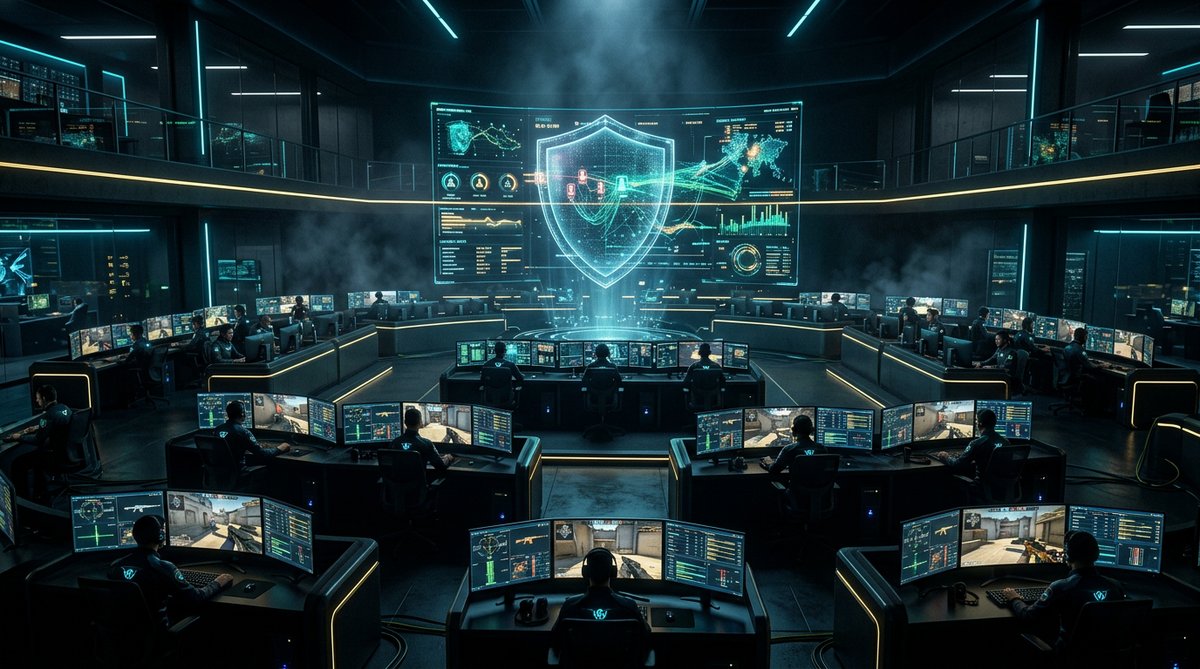
Valve's VACNet Portal Is Live — Here's Why Players Are Reviewing Cheater Replays
In a single day this past March, Valve banned 960,000 Counter-Strike 2 accounts in one sweep. That is roughly the population of a mid-sized city, wiped from the game overnight. So why, five months later, is Valve now inviting everyday players to sit down and watch cheater replays? The answer says a lot about where CS2 — and the skin market riding on top of it — is heading.
Why Is Valve Doing This Now?
The short version: an AI anti-cheat is only as smart as the examples it has been fed. Valve's VACNet system has been automating cheat detection for years, but automated flags still need a human sanity check to learn what real cheating looks like versus a lucky flick or a lag spike.
That is exactly what the new VACNet Labeling Portal is for. In mid-August 2026, Valve began sending out a limited wave of invites to players, asking them to review suspect match footage and label what they see — aimbot, wallhack, triggerbot, or clean play. Every correct label becomes training data that makes the AI sharper for the next round.
There is a reason Valve is leaning on players instead of hiring an army of moderators. Labeled data is expensive to produce, and nobody understands what "suspicious" looks like in a real match better than the people who play it every day. A community reviewer can spot a pre-fire through smoke in a way a raw algorithm struggles to learn on its own. Crowdsourcing the labels is both cheaper and, in the long run, more accurate.
The Bot Problem Isn't Just About Fair Play
For skin traders, the stakes go well beyond who wins a ranked match. Cheaters and farming bots have been quietly distorting the market for years. Bot accounts grind XP, farm case drops, and flood marketplaces with items, which drags down prices and makes supply numbers unreliable.
Think about what a single farming bot actually does. It idles in matches, racks up weekly drops, and unloads those drops onto the market at whatever price clears inventory fastest. Multiply that by thousands of accounts running around the clock, and you get a constant downward pressure on the low end of the market — the exact items casual players and new traders buy first.
When Valve clamps down on these accounts, the effect shows up in the economy almost immediately. Banned inventories get locked, trade-restricted, or removed from circulation entirely. Fewer bots farming cases means fewer cheap items hitting the market — and that shifts the supply curve for everyone else.
How the VACNet Portal Actually Works
If you are old enough to remember CS:GO, this will feel familiar. The VACNet Portal is essentially the return of Overwatch — the community-driven replay review system that Valve let fade away. The difference now is that human verdicts feed directly into a machine-learning loop instead of existing as a standalone judgment call.
The flow is simple:
- An invited player logs into the portal and is shown a suspect replay clip.
- They mark what they see — specific cheats, suspicious patterns, or a clean player.
- Their label is compared against other reviewers and against VACNet's own prediction.
- High-agreement, accurate labels get folded into the model's training set.
Valve is also dangling an incentive in front of reviewers. The portal advertises a "skip ban" perk — a kind of one-time pass that lets a trusted reviewer avoid a penalty if they ever land on the wrong side of an automated flag. It is a clever way to keep the review pool honest and active without paying anyone in cash, and it mirrors the old Overwatch system where consistent, accurate investigators were rewarded with trust.
The whole thing hinges on accuracy, which is why the invite is limited for now. If Valve opened the doors to everyone at once, the training data would be full of noise — trolls marking clean players as cheaters, or bots submitting garbage to game the reward. A small, vetted pool produces cleaner labels first, which makes the AI better before the program scales up.
Cheaters Are Already Fighting Back
Here is where it gets ugly — and where the cat-and-mouse nature of anti-cheat work becomes obvious. Within roughly three days of the portal going live, reports surfaced that cheaters were already targeting it with bots of their own.
By August 14, community sites and esports outlets reported that bad actors were flooding the portal with junk labels, in some cases using VAC-banned accounts to submit deliberately wrong verdicts. The goal is simple: poison the training data so the AI learns the wrong lessons — teaching it to overlook the exact cheats the attackers rely on.
Valve clearly saw this coming. A patch note from late July quietly mentioned a fix for "a bug that allowed malicious players to avoid being processed by VACnet" — a hint that the anti-cheat team has been hardening this pipeline for weeks before the portal even opened to players. The fact that cheaters mobilized within days of the launch tells you exactly how much they fear a working, human-trained detector.
What It Means for the Skin Market
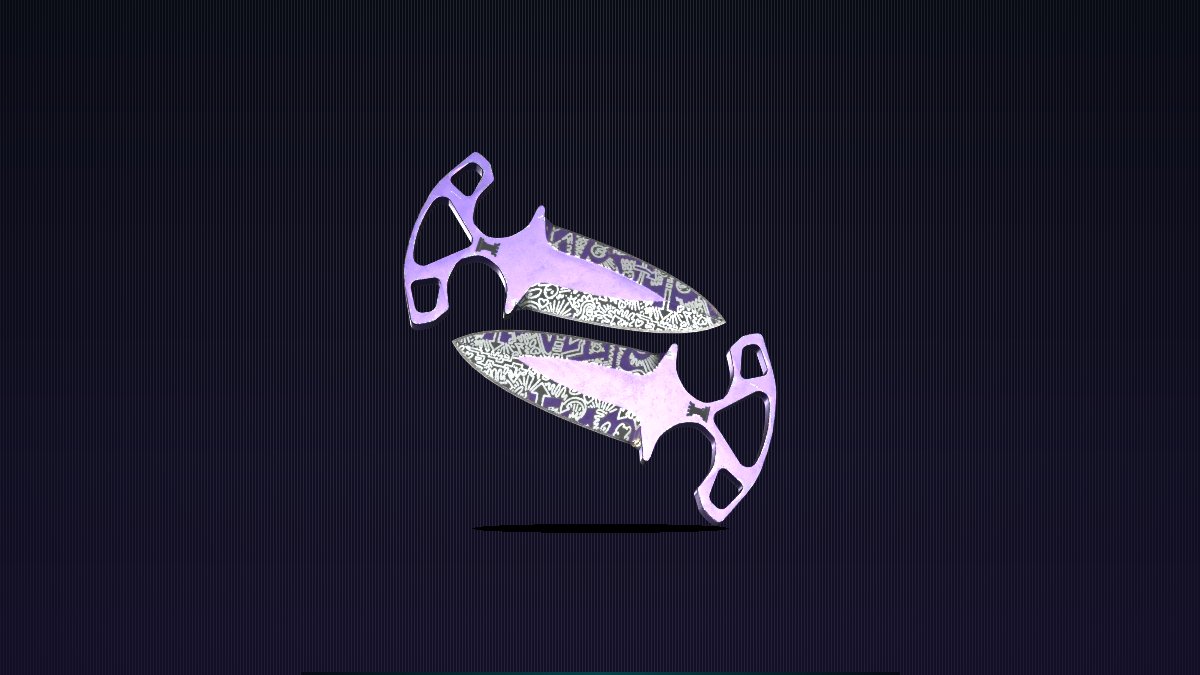
The connection between anti-cheat and skin prices is real, even if it is not obvious at first. Bots farm the exact items traders care about — knives, gloves, and high-rarity finishes — because those are the most liquid, most valuable drops a case can produce.
A stronger VACNet means fewer bots survive long enough to cash out. That tightens supply on the low end and restores some confidence that the market is not being pumped by automated accounts. For anyone buying or selling, cleaner anti-cheat is quietly good news — it means the price you see is closer to real demand from real players.
There is a second-order effect worth watching too. When legitimate players trust the ranked ladder again, they play more. More engagement means more legitimate case drops entering circulation through actual gameplay rather than bot farms — a healthier, steadier flow of items than the boom-and-bust cycle that follows each ban wave.
None of this will fix cheating overnight. The portal is invite-only for now, the reward system is brand new, and cheaters are already probing it for weaknesses. But the direction is worth paying attention to: Valve is building a feedback loop between human judgment and AI detection, and that loop directly protects the value of the items sitting in your inventory.
While the review system sorts itself out, the market keeps moving. If you want to see what real case odds look like right now, Phantom Cache is one of the most-opened cases on skinvs — worth a look before you commit your next few dollars to a roll of the dice.