NAVI Wants You to Design a CS2 Case. Design Is the Least Important Part.
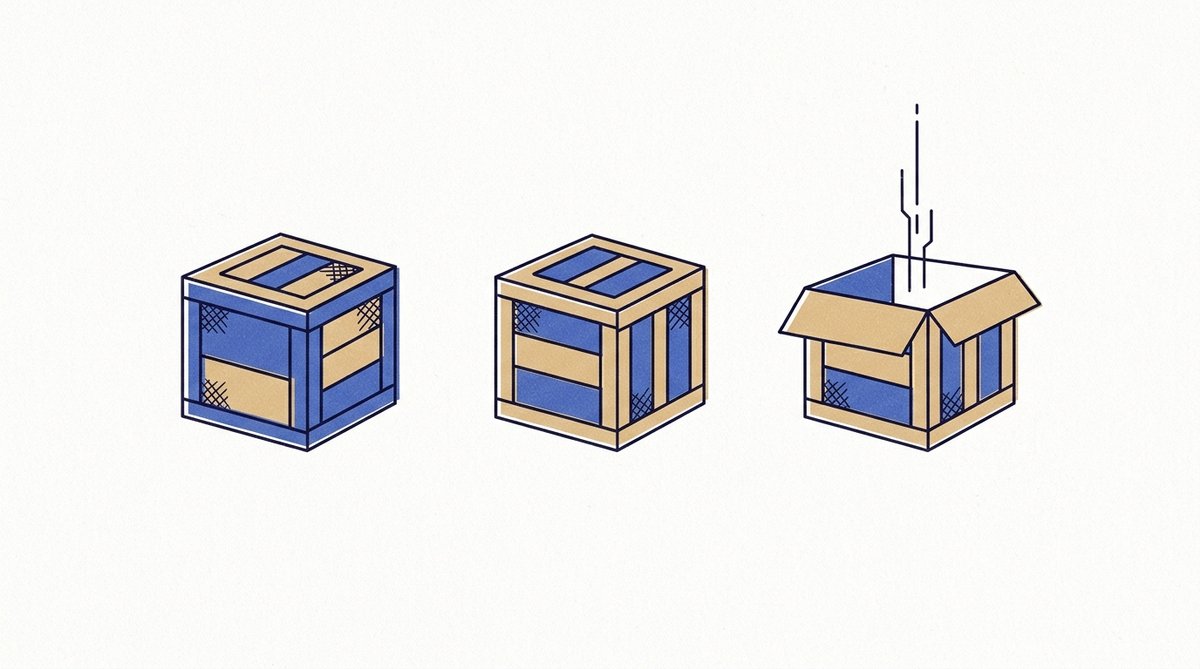
NAVI Wants You to Design a CS2 Case. Design Is the Least Important Part.
On November 2, Natus Vincere and CS:GO Skins opened Case Craft Station, a contest where fans draw their own Counter-Strike 2 case, submit it, and let the community vote on the winners. The prize pool is a high-end graphics card, NAVI merchandise and promo codes. The winning design goes live as a case on CS:GO Skins.
Submissions stay open until November 11, 2027, which is either a typo in the announcement or an unusually long campaign window. Either way, the contest is real and the entry rules are wide: pencils, Photoshop, or AI generation are all named as acceptable tools.
It is a good promotion. It is also a live demonstration of something the case market has been proving all year — the artwork on a case has almost nothing to do with what the case is worth.
What NAVI Actually Announced
The mechanics are simple. You design a case in any style and any tool. You submit it on the Case Craft Station site. You collect votes. The best design gets made.
That last part is the interesting one. A third-party skin site is committing to produce a case designed by a player, which is a first for a scene where every case in CS2 comes from Valve's internal art pipeline or an Armory release.
It also means the contest is not really about the art. It is about attention. A case that a community voted on arrives with an audience already attached, which is worth more to a marketplace than a case with better line work and no story.
The Bull Case: A Case Is the Only Item That Sells Twice
Cases are the most traded items in Counter-Strike 2 by a wide margin, and they are traded in a way skins are not — repeatedly, in volume, at low prices.
In the week to November 2, the five most traded items in the entire market were all cases:
- Dreams & Nightmares Case: 2,796 sales at a $0.96 median
- Spectrum 2 Case: 1,984 sales at $2.55
- Fracture Case: 1,558 sales at $0.38
- Operation Breakout Weapon Case: 1,552 sales at $6.79
- Danger Zone Case: 1,480 sales at $0.87
Add those up and you have more than 9,000 case sales in seven days from five items. No knife comes close. A case is consumed when it is opened and relisted when it is flipped, so the same object generates activity over and over.
That repeat behaviour is what makes cases a better business than knives, and it has nothing to do with how a case looks. A knife sells once and then sits in an inventory for two years. A case that costs 96 cents changes hands, gets opened, drops a skin, and the skin gets listed — four transactions where the knife produced one. Marketplaces do not need the case to be beautiful. They need it to be cheap enough that people keep buying it.
For a platform, that is the ideal product. For a fan contest, it is the ideal prize — the winner's work ends up on the one item type that everyone touches.
The Bear Case: Price Follows Supply and Odds, Not Art
Now the part that makes the contest commercially irrelevant. Cases in CS2 are priced on two inputs: what is inside them, and how fast they are added to the pool. Artwork does not enter the calculation at all.
The evidence is sitting in this week's index. The case group fell 3.7% in the week to November 2, from 91.92 to 88.56, against a September 27 baseline of 100. Stickers and capsules fell harder at 4.2%. Meanwhile knives and gloves lost only 0.3%.
The clearest single number is the Revolution Case: $0.28 down to $0.21, a 25% loss, on 226 sales and 18,222 listings. Nothing changed about its art, its contents or its drop rate in that week. What changed is that 18,222 people wanted to be somewhere else with their inventory.
Our own ROI analysis of the case pool, published November 5, found that 41 of 42 cases return less than the cost of opening them once you weight the outcomes by their real drop odds. That is the number that should define how you feel about cases as a purchase — and no amount of design talent changes a drop table.
The knife and glove market makes the same point from the other direction. Prices there did not move when the art changed; they moved when the rules changed. When Valve extended trade-up contracts to Covert skins in October 2025, the cheapest gloves lost roughly two-thirds of their value without a single texture being edited. A pair of Driver Gloves | Racing Green went from about $107 to around $34 on Steam. The mechanism was supply, not taste.
So when someone tells you a case is going to hold up because the design is great, ask the only question that matters: what is in it, and how many are there. Those two answers set the price. A community-designed case with a strong contents list will hold. A beautiful case with a weak one will end up next to the Revolution Case in the discount bin.
The Third Thing: Free R&D for Everyone
There is a version of this that is neither bull nor bear, and I think it is the accurate one.
Case design contests are cheap content. A graphics card and some merchandise is a rounding error against what a marketing agency would charge for a campaign that produces user-generated entries, community voting, and a launch asset. NAVI gets engagement. CS:GO Skins gets a case with a story. The winner gets a GPU and their name on something.
What nobody gets is a case that is more likely to hold value. If the contest produces a case with weak contents, it will slide toward the $0.20 end of the market within months, exactly like the Revolution Case did, and the artwork will be a pleasant detail on a cheap object.
There is also a supply question nobody in the announcement addresses. Every new case adds to a pool that is already growing faster than demand. The Dreams & Nightmares Case shows the pattern cleanly: 3,000 sales at $1.13 in the week to October 19, then 2,796 sales at $0.96 two weeks later. Volume was flat within 7%. Price fell 15%. Same buyers, more cases.
My Take
Enter the contest if you enjoy making things. A case is a genuinely fun design brief — a rectangular object that has to read at 100 pixels in an inventory grid, work as a thumbnail on a marketplace, and still look like it belongs next to 40 other cases. That is a harder problem than it sounds, and AI generation will not solve it for you, because the judges and the voters are looking for something that reads as CS2 and not as generic sci-fi crate.
Do not enter it thinking the winning design will be worth collecting. Do not buy the winning case on launch thinking the story carries a premium. The pattern for every case release is the same: price pops on day one, supply arrives, price settles at whatever the contents justify.
When the winning case does go live, judge it the way you should judge every case — read the contents list, check the odds, compare the asking price against the expected value of an opening. If it clears, it clears. If it does not, the design being community-made will not save it.
If you would rather skip the speculation and open something with known contents and readable odds right now, the Small Arms case and the Missing Link case on SkinVS both list their full contents and drop tiers before you spend anything, and the SkinVS shop lets you buy the specific skin you actually wanted instead of rolling for it. Design contests are fun. Drop tables are the thing that costs you money.