Valve Snuck Chickens Into CS2 - and Made Them the One Item You Can't Sell
Valve Snuck Chickens Into CS2 - and Made Them the One Item You Can't Sell
On 22 September 2026, Valve shipped one of the largest Counter-Strike 2 patches of the year. It added Rush, a 3v3 mode fought over a single tower on rotating small maps. It added a silent reload you trigger by holding the reload key. It added four community maps and rewrote how Premier teams pick maps.
The patch notes ran long. They did not mention the chickens. Two nights later, Prime players levelled up and opened their weekly drops, and one of the reward options was an egg. It carried a warning label: untradeable, and it would consume both of that week's rewards.
Valve has now spent thirteen years building one of the most liquid virtual economies in gaming, and its newest cosmetic can't be sold to anyone, anywhere, ever. That contrast is worth pulling apart - not least because most of what's circulating about the CS2 pets is datamined guesswork, and some of it is flatly wrong.
What Valve actually shipped on 22 September
The official patch notes list the Rush mode, the silent reload mechanic, map rotations, and a pile of technical fixes. Nothing about pets. The community found the egg first: it appeared as a weekly drop reward, and dataminers such as Gabe Follower had already been digging pet models and a Chicken Feed item out of the game files for months.
The first official acknowledgement came three days later, on 25 September, in a note so small it reads like a joke: the eggs of background players in main-menu lobbies now rest in nests. On 3 October, Valve patched agents to wear their equipped gloves during photobooth photography sessions. On 6 October, another line: pet photobook pages now have localized text art. Valve has never written the words "chicken" or "pet" into a CS2 patch note. It has just been quietly building the furniture around them.
That is the whole announcement. There was no trailer, no blog post, no Armory page. For a company whose business is built on $2.50 case keys, this is an unusually silent launch - which is itself a signal about what the feature is for.
What the egg costs you, and what it gives back
This is the part that matters commercially. A normal weekly drop offers Prime accounts two choices from a pool that includes a case or terminal plus collection skins and stickers. Claim the egg and you get one item, and it takes both slots.
So the real cost of a CS2 chicken is whatever your two picks were worth. For most players that is a cheap case and a low-grade collection skin - small money, but money that has a buyer. What you receive instead has no buyer at all, because the egg is flagged untradeable from the moment you claim it and there is no Steam Community Market listing for it. No float, no wear tier, no StatTrak variant, no pattern premium.
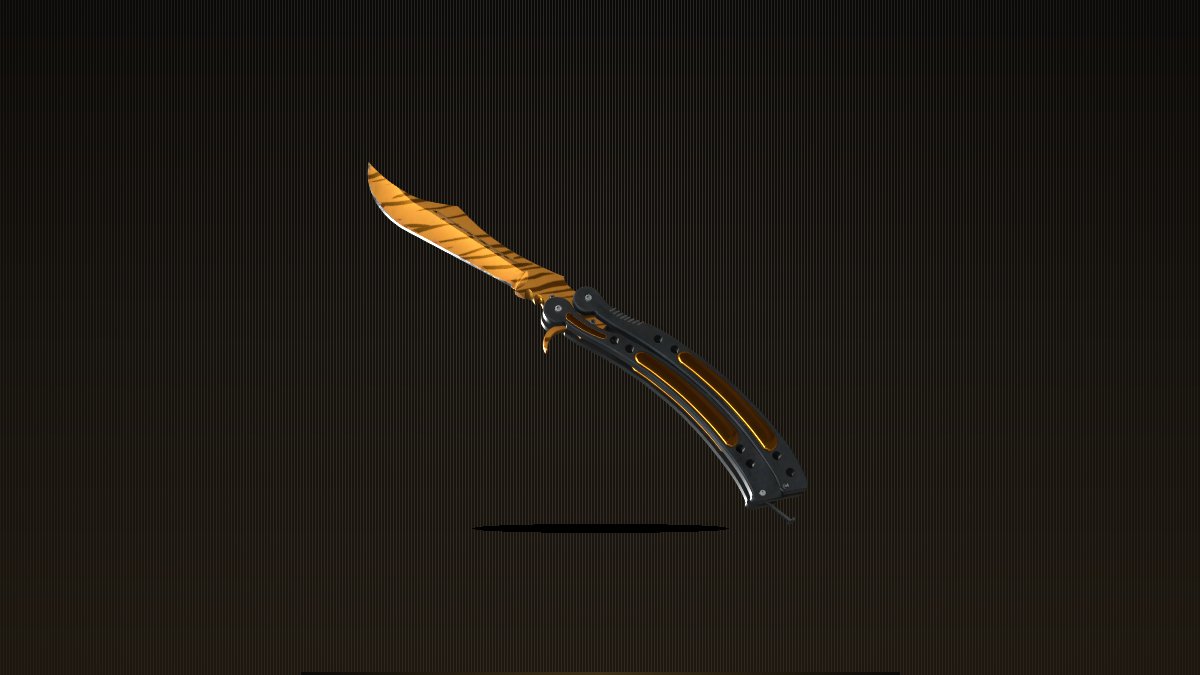
To see how far outside the normal rules that sits, consider what the same weekly-drop pool has produced for other players. Ordinary tradable skins carry real values that move every day. A Field-Tested AK-47 | Case Hardened was listing at $203.03 and a Factory New copy at $441.51 in early October, and those are the cheap end of that particular rabbit hole. Both of those items can be sold. The egg cannot be sold to a stranger for one cent, and Valve has given no indication that will change.
How many chickens are there, and does rarity matter?
This is where you need to be careful, because the numbers in circulation disagree with each other. Community datamining turned up 35 chicken colour variants in the game files shortly after launch. Other trackers counting the same assets list 36, and at least one price-tracking site claims 41 colour variants complete with eggs, feed and growth stages. Valve has published no list and no rarity tiers.
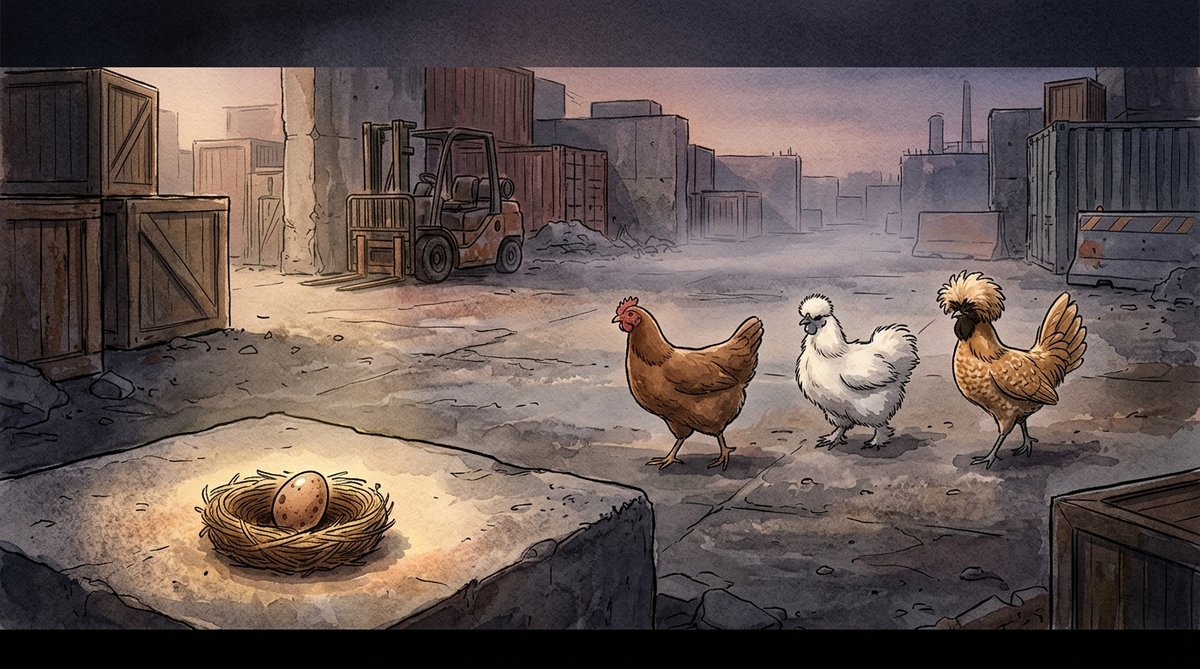
What players can confirm is the structure. The egg sits in a wicker nest beside your agent on the main menu with a countdown timer, and after roughly a week it hatches into a chick. You can name it, pet it, feed it and photograph it. Chicks learn tricks - running in a circle, flapping up for a short hop, a little kick - and hatchlings sit on your shoulder in the loadout screen. There are three breeds people have identified in the wild: a plain brown hen, a fluffy white non-bearded silkie, and a tan crested polish with a feathered crown.
The egg's colour and pattern are widely believed to hint at the bird inside, but that is player inference, not a Valve statement. If you are buying anything on the expectation of a specific variant, understand that you are trading on a rumour.
So is a CS2 chicken worth money?
Right now, on the evidence available: no, and it may never be. Nothing about the pet is tradeable, so no marketplace can price it, and none of the trackers that measure the CS2 economy include chickens in their indices.
There is also a hard time limit. The chickens do not live forever. Community reporting puts the full lifespan at around 140 days, after which the bird leaves your inventory - what stays behind is its photo on your profile. A handful of conditions can make it leave sooner. Whatever you invest in caring for it, you are investing in something with an expiry date, which is the opposite of how every other CS2 item works. A knife bought in 2015 is still a knife today; the trade-up contract change of October 2025 wiped roughly $1.75 billion off the market in a single update, and even that was a permanent rewrite of prices rather than a deletion of the item itself.
Valve has not said the chickens are finished. Pet feed exists in the files, the photobook got localisation work as recently as 6 October, and it would be a short step to add a tradeable version, a rarity tier, or a store bundle. Treat any future tradability as a possibility, not a plan.
Why would Valve add a cosmetic nobody can trade?
Because the chicken isn't a market product. It's a retention mechanic wearing feathers. An untradeable pet that requires you to log in, feed it, and hatch it over seven days at a time is a login streak in disguise - and it costs Valve nothing to distribute, because it consumes drop slots that would otherwise have handed out a case somebody could sell.
That is a deliberate trade on Valve's side: it gives away a hook instead of giving away inventory, and it adds zero supply to a skin market that has spent a year re-pricing itself downward. The market is currently far smaller than its peak - the total value of all Counter-Strike skins has fallen from $10.4 billion in October 2025 into the $6.5-6.8 billion range nearly a year later, and roughly 97% of individually tracked skins were cheaper in September 2026 than in March. In a market like that, adding more non-scarce cosmetics players feel obliged to chase would be an odd move. Adding one that can never be flipped is a cleaner play.
What this means if you already hold skins
Very little, and that is the honest answer. Chickens are not competing with your inventory for capital and they are not adding supply to any collection. If you were hoping to farm eggs and resell them, the label on the egg already told you no.
The useful takeaway is subtler. Valve has now demonstrated twice in a year that it will reshape what an item is worth without warning - once with trade-up contracts, and again with a pet you can't sell - and both times the change was live before the patch notes caught up. If you are opening cases purely to hold, the items that survive these shifts are the ones with deep, real order books: widely recognised knives, gloves and blue-chip rifles that trade every single day rather than items whose only quoted price comes from one optimistic listing.
You can browse exactly that kind of inventory, with float and wear shown per listing rather than per skin, on the SkinVS marketplace. If you would rather open your way to one, the Fan Favorite case is currently one of the system pool's most popular options - and yes, opening it still consumes a reward slot, but at least whatever comes out can be sold.