Valve's August 11 Patch Changed Grenades. The Skin Market Didn't Even Blink
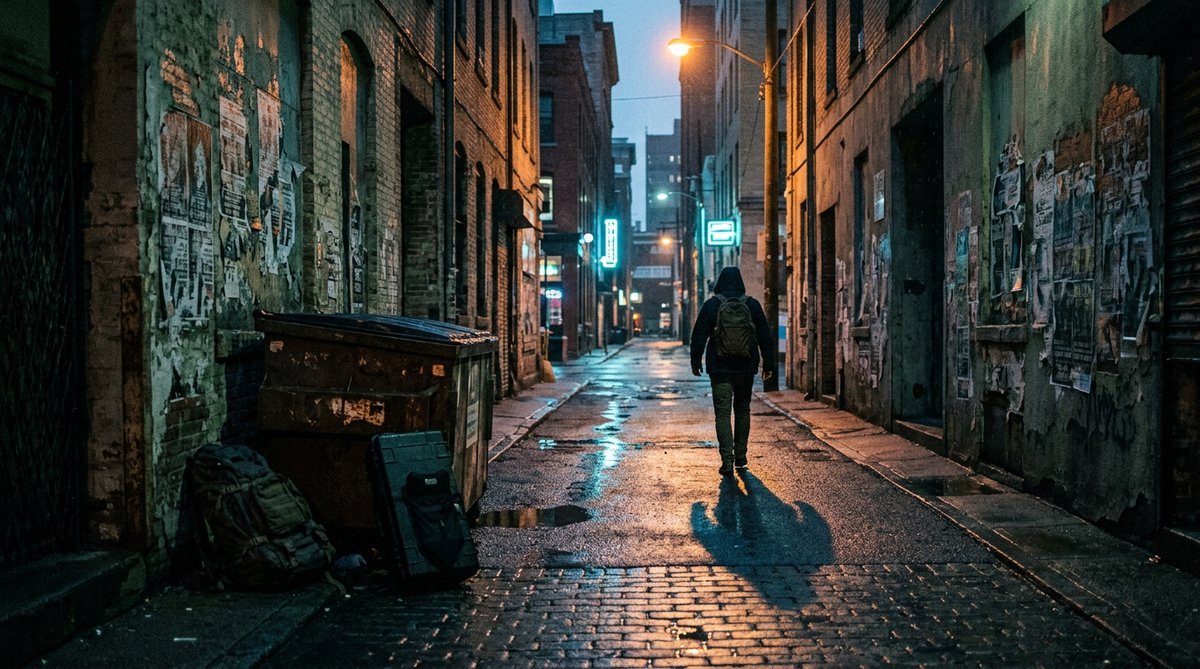
Valve's August 11 Patch Changed Grenades. The Skin Market Didn't Even Blink
On August 11, 2026, Valve pushed a Counter-Strike 2 update that fixed a real, annoying bug: grenades could be thrown straight through level geometry on some maps. The same patch cleaned up collision spots on Cache, removed a boost spot outside A, and refreshed Shelter to the latest Workshop version. Most of the community took about ten minutes to move on to the next thing.
That quiet reaction is itself the story. Anyone who has watched CS2 skins for a while knows that updates can move prices by millions of dollars overnight. This one moved almost nothing. Learning to tell the difference between a market-moving update and a maintenance patch is one of the most useful skills a collector can build, because it is exactly where most people's instincts go wrong.
The Patch Nobody Screamed About
The August 11 notes read like the definition of a maintenance patch. The headline fix targets grenades clipping through walls and floors, a bug that let players land throws in spots the map geometry should have blocked. Competitive players care about this a lot; collectors mostly do not, and that split is the first clue about what the patch means for the economy.
Cache received another round of collision and clipping fixes, plus the removal of a boost spot in Outside A that let players reach unintended positions. Shelter, the community map, was bumped to the latest Workshop version. That is the full list. There were no new weapon collections, no new cases, no changes to drop rates, and nothing added to any shop.
That last sentence is the whole point. For the skin economy, an update that adds nothing is an update that changes nothing. It is worth writing down, because the next update will not be like this one.
The Bull Case: One Update Can Move Billions
It is easy to forget how violent this market can be. In October 2025, Valve changed the Trade Up Contract mechanics in a way that revalued whole tiers of skins at once. Reports at the time estimated between $1 billion and $2 billion in market value evaporated overnight, and the story ran in gaming media, security firms, and esports outlets alike. That was a single update with no new items at all — it only changed how existing items could be transformed into better ones.
More recently, the July 9, 2026 update was a genuine market event. It launched Premier Season 5, moved Cache into the Active Duty map pool, removed Overpass, reworked the effective range of C4 explosion damage, and shipped new Armory collections from the Call to Arms-ory program. New items mean new supply, new demand, and new trading volume — exactly the conditions that push prices around.
So the bull case is real: updates can matter enormously, and anyone who claims "patches never affect skins" is wrong. October 2025 proved it, and July 2026 repeated the lesson in a friendlier direction. The question is never whether updates can move the market. The question is which updates actually do.
There is a psychological layer here too. The October 2025 shock was so violent not only because Trade Up mechanics changed, but because the change hit trust: items that players believed were safe to hold suddenly carried new risk. Trust is invisible on a price chart, but it is the fastest-moving input in this economy. When a patch changes what players believe about their inventory, prices follow within hours.
The Bear Case: Fixes Are Not Features
The August 11 update belongs to a different category. Fix patches adjust how the game plays; they do not adjust how the economy is supplied. Nothing was added, removed, or revalued. A grenade clipping fix does not change the float distribution of any skin, the odds of any case, or the liquidity of any market. It does not retire items, create new ones, or alter upgrade mechanics.
Scale matters here too. CS2 remains Steam's defining game, with well over 1 million concurrent players according to SteamDB's live charts. A player base that size carries a standing demand for skins that easily absorbs a quiet Tuesday patch. The market only flinches when supply, utility, or trust changes — and none of those three levers moved on August 11.
That is why prices did not move: not because the market is broken or because collectors are asleep, but because the market is responding to the only signal that matters, and that signal said "nothing new happened." Understanding that is what separates readers of the economy from guessers.
What Actually Moves Skin Prices
If you want to stop guessing, these are the levers that have historically done the work:
- New collections and cases — fresh supply resets attention and shifts trading volume, exactly as the July Armory drop demonstrated.
- Trade Up and upgrade mechanics — the October 2025 change revalued entire rarity tiers in a matter of hours, wiping billions from the aggregate market in the process.
- Case pool rotation — when a case leaves the active drop pool, its new supply stops growing and prices historically drift upward over time.
- Rarity odds — the long-standing drop tables place knives and gloves at roughly 0.26% per case and Covert items around 0.64%, and case prices track these numbers closely because they define expected value.
- Meta and balance shifts — the July bomb-damage rework changed how utility is used in every round, which shifted demand toward certain weapons almost immediately.
- Souvenir and tournament supply windows — when a Major shop closes, its items stop being minted at retail, and the supply lock is a structural event regardless of which direction prices go afterward.
None of those levers moved on August 11. All of them are possible in the coming weeks, and one of them is on a published schedule: the Cologne 2026 Major Shop closes on September 29, 55 days after the Ranked Series stickers went on sale.
My Take
The quiet patch is actually a healthy signal. It means Valve is investing in the competitive foundation — grenade physics, map integrity, community content — rather than churning the economy for its own sake. A game that only ever gets economy updates is a game being milked; a game that also fixes its foundations is one being built. CS2 looks like the second kind right now.
That does not mean the calendar is empty. The Cologne 2026 Major Shop closes on September 29, which will lock the supply of this season's tournament stickers, autographs, and souvenir charms. Between now and then, players are opening cases at full volume, and the Cache map is back in the competitive spotlight — a rare combination of a marquee map and an active case theme.
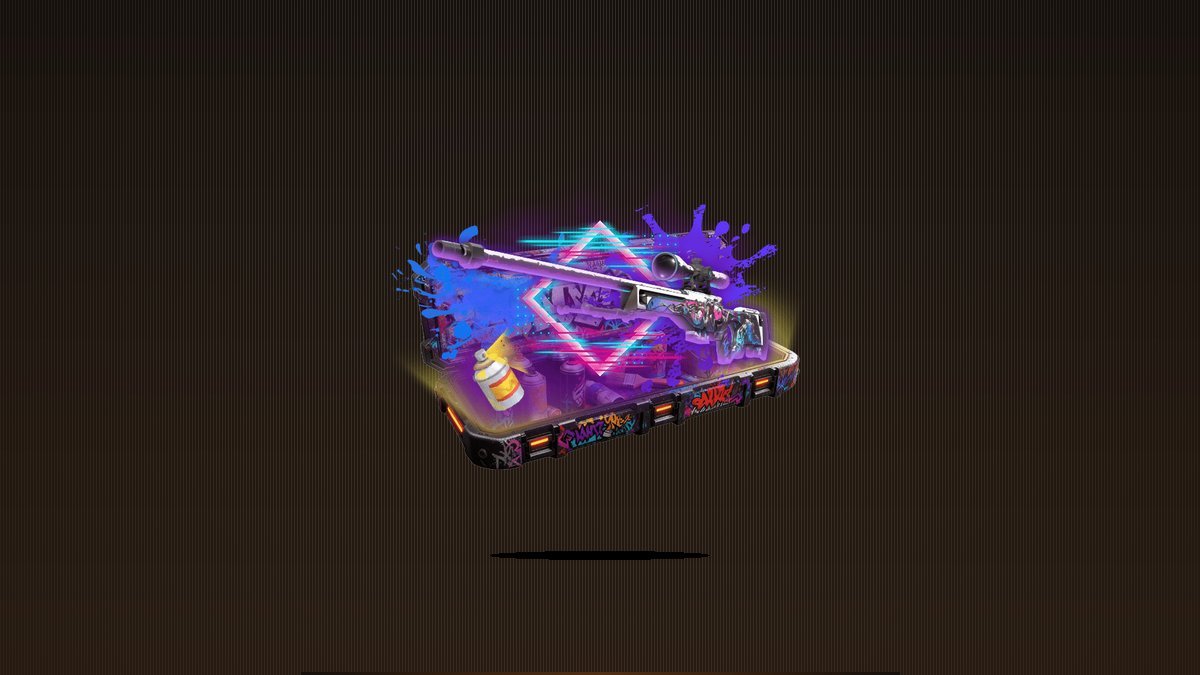
If you want a piece of that energy, the Phantom Cache case on skinvs.com is a direct way in: Cache-themed artwork, live odds on every item inside, and the same knife-and-rifle chase that makes case opening fun even on a patch day when nothing else happens. The market may not have blinked on August 11 — but it is never actually sleeping.
Sources: Counter-Strike 2 Update — Steam News, August 11, 2026; Counter-Strike 2 Update — Steam News, July 9, 2026; Cologne 2026: Ranked Series — Steam News, August 5, 2026; contemporaneous media reporting on the October 2025 Trade Up market impact.