Where 50% of Every CS2 Major Sticker Sale Goes: Inside the Cologne 2026 Royalty Model
Where 50% of Every CS2 Major Sticker Sale Goes: Inside the Cologne 2026 Royalty Model
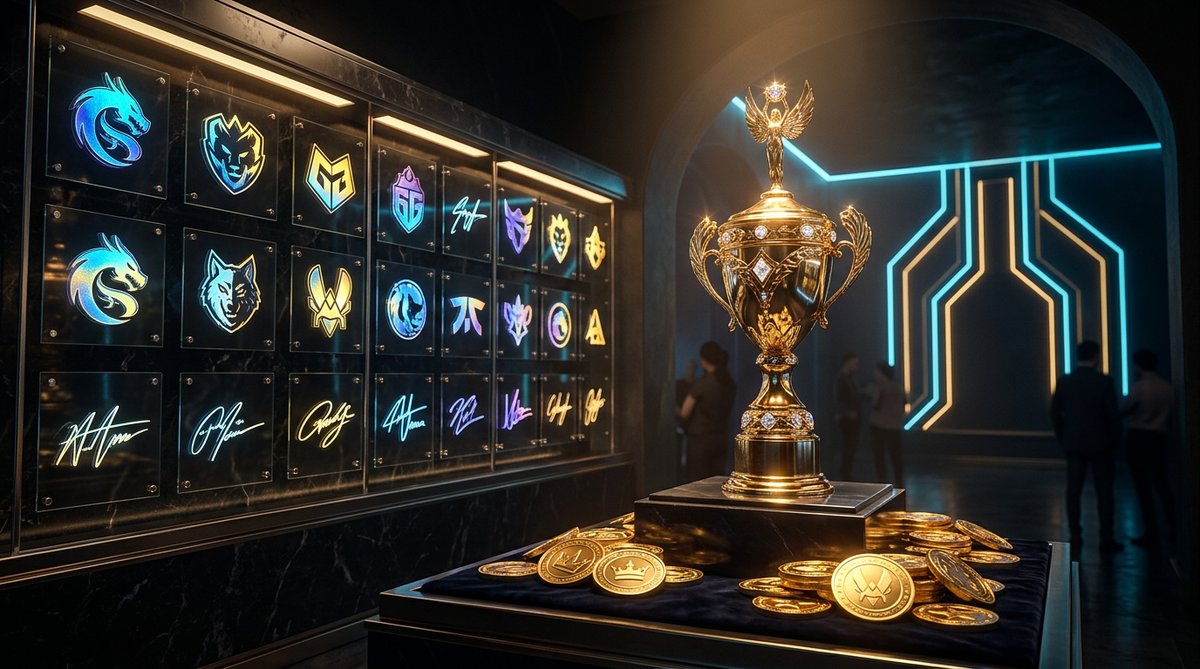
Fifty percent. That's the share of every Cologne 2026 Major sticker purchase that Valve hands straight back to players, teams, and the tournament organizer. It's the most generous royalty split in Counter-Strike history, and it's quietly rewriting how the skin market prices its most collectible esports items.
If you've ever wondered why a single team sticker can cost more than a full game, or why "Ranked Series" stickers suddenly matter, the answer lives in that number — and in the economics built around it. This is the first Major where half of what you spend goes directly into the pockets of the people you're watching compete.
The Raw Numbers
On July 29, Valve shipped the Ranked Series of Cologne 2026 Major stickers, a new category of sticker that bakes a team's final tournament standing directly into the design. The headline figure is the royalty: 50% of every sale is shared with the players, teams, and tournament organizer behind each sticker.
That's not a one-off promo. Valve framed it as the standard for all items in the Cologne 2026 Shop, and it applies to the Ranked Series, the standard team stickers, and player autographs alike. The original dynamic pricing system determined the sticker prices, but the royalty structure is what determines where the money goes after the sale clears.
For context, the standard Steam Market cut on a normal item sale sits around 15%. So a 50% payout to the people who actually play and run the event is a massive shift in where the money lands — more than triple the effective revenue share flowing to the community rather than the platform.
The window matters too. Items in the Cologne 2026 Shop are available for purchase until September 29, after which the Ranked Series and its siblings leave the store for good. That hard deadline is the single biggest driver of sticker price behavior in the weeks leading up to it, because once the store closes, the supply is fixed forever.
How the Cologne 2026 Shop Works
The shop is built around the Cologne Major, and Valve has layered in tools that make sticker pricing more transparent than any previous event. A mid-July update added a display of the lowest and highest sticker price from the last 7 days, so buyers can see a sticker's recent trading range at a glance instead of guessing.
Valve also added a bookmark feature and a stickers showcase, so collectors can track the specific stickers they're watching. None of this is cosmetic — it's the kind of infrastructure that turns casual sticker buyers into active traders, which feeds volume and tightens spreads across the whole sticker market.
The shop also ties into the broader Major ecosystem. A Cologne 2026 Viewer Pass unlocks an upgradable Cologne 2026 Coin, and playing the Pick'Em Challenge with an active pass lets fans earn rewards and climb the Active Pass Leaderboard while comparing picks against the rest of the community. That engagement loop is what keeps sticker sales flowing all tournament long, not just on finals weekend.
The event itself produced real heroes to sell. Team Falcons won the IEM Cologne 2026 Major, and their Champions Autograph Stickers went on sale in the Major Shop alongside Highlight Souvenir Charms — ten highlights for each of the six tournament stages, plus a trophy-lift moment. That's up to 60 distinct highlight charms alone, not counting the sticker sets.
Earlier in the cycle, the licensed Jackass Sticker Capsule dropped 39 stickers in a single capsule, a collaboration with Paramount that showed how far the item economy reaches beyond pure esports. Between autographs, highlights, and licensed collaborations, the Cologne 2026 shop is one of the deepest sticker catalogs Valve has ever run.
Why the 50% Split Changes Pricing
The royalty model does something subtle to sticker prices. When half of every sale goes to the team, the effective cost floor is higher than a standard item's — sellers and Valve both have an incentive to keep prices elevated enough that the payout is meaningful. The result is that Major stickers, especially limited-run items like the Ranked Series, tend to behave more like scarce collectibles than like ordinary consumables.
There's a historical logic to this. Major stickers have always carried a post-event premium, because once a team's capsule leaves the store, the supply is fixed forever. The Cologne 2026 shop adds a second layer: not just "will this be rare later," but "who is getting paid right now." Fans are demonstrably more willing to pay up when they know the money goes to the players they just watched compete.
Sticker rarity tiers add another dimension. Holo and foil variants of a sticker trade at a premium over the base paper version, and autograph capsules from a Championship-winning team — like the Falcons after Cologne — command the biggest markups because the supply is smallest and the story is strongest.
For a trader, all of this means Major sticker prices carry a structural floor that generic skins don't. The 7-day price display then makes it easy to spot when a sticker is trading near the bottom of its range versus the top — exactly the signal you need before buying, and one that no previous Major offered in-game.
The royalty structure also shapes the holding-versus-flipping decision. Because 50% flows to the team on the initial store sale but not on secondary-market trades, there's an incentive to buy early from the store while the team benefits, then trade later on the open market where the full secondary price is yours. Savvy collectors front-load their purchases during the store window and treat the post-deadline market as the exit, not the entry.
The Smart Play
The Cologne 2026 sticker economy is a live lesson in how esports items get priced. The 50% royalty, the September 29 deadline, and the new price-transparency tools all point in the same direction: limited supply, higher floors, and more informed buyers.
If you're interested in the item side of Counter-Strike beyond stickers, the same scarcity logic applies to cases and skins. Watching how a rare drop behaves after its store window closes is the best way to learn what makes an item hold value — and the Fan Favorite case is a solid place to see that supply-and-demand dynamic play out with real, live prices.
Whether you're collecting autographs or hunting a rare finish, the rule is the same: understand the payout, watch the window, and buy before the door closes. The teams already got their 50% — the question is whether you get yours.