CS2 Weekly Drop Pool June 2026: How to Spot the Skins Worth Keeping

CS2 Weekly Drop Pool June 2026: How to Spot the Skins Worth Keeping
Every Tuesday, Valve reshuffles the CS2 weekly drop pool — a curated rotation of weapon skins from active collections. Most players click through the reward screen without a second thought. But for the ones paying attention, each rotation is a market signal with real money attached.
June 2026's rotation is broadcasting louder than usual. Two new collections have entered the pool for the first time. One rifle skin is already tracking at 3x the price of its case-mates. And the post-hype correction from May's market frenzy has left specific items at entry prices that haven't been this attractive in three months.
The difference between a player who treats the weekly drop as background noise and one who reads the supply signals? Potentially hundreds of dollars in tradable value over a season. Here's how to be the second kind of player.
Step 1: Understand What's Actually in the Pool Right Now
The weekly drop pool isn't random — it pulls from a curated set of collections that Valve rotates based on rarity tiers, age, and community engagement metrics. In June 2026, the pool includes the Harlequin Collection and another 2026 set alongside legacy staples like the Dust 2, Lake, and Inferno 2018 collections.
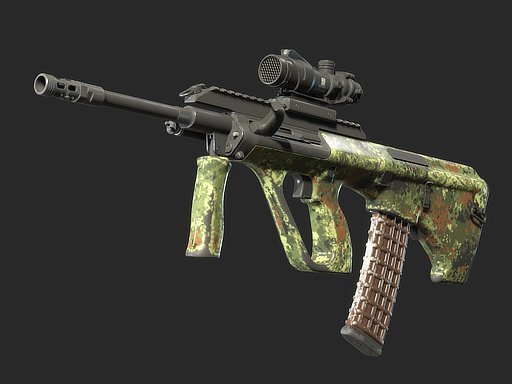
The Harlequin Collection's standout is the AK-47 | Breakthrough — a vibrant, multi-color design that's already commanding premium prices on the Community Market. Early listings placed it at roughly $15-25 Factory New, roughly 3x the price of other Harlequin skins at the same wear tier. Its companion, the AWP | Exothermic, fills the sniper slot with a heat-map aesthetic that's dividing collectors but performing well in raw trade volume.
Beyond the Harlequin set, the pool also includes skins from the 2026 Vertigo, 2026 Train, and 2026 Overpass collections. These collections typically produce 15-20 unique skins each when fully catalogued, though only a rotating subset enters the weekly pool at any given time.
Here's what makes this rotation different: these new collections are entering at a time when the broader skin market is experiencing a post-hype correction. The massive run-up in May — driven by the Cologne Major announcement and the souvenir trade-up contract changes — has cooled. Classic skins like the AWP Asiimov and AK-47 Redline are reasserting their value while new entries find their equilibrium.
Step 2: Read the Supply Signal
The most important number in the weekly drop pool isn't the price — it's the supply curve. When a skin first enters the rotation, supply spikes as thousands of players receive it. The price dips. Then, as the pool rotates out the following week, supply freezes.
This is where the opportunity lives. The AK-47 Breakthrough entered the pool approximately 2-3 weeks ago. If it rotates out in the next cycle, the supply tap turns off. Every Breakthrough that gets trade-up contracted, applied with stickers, or held by a collector is gone from the liquid market.
Watch the Community Market listing count. When a freshly-rotated skin drops from 5,000+ active listings to under 2,000, the price floor rises — sometimes 15-30% in a single week. The AWP Exothermic is showing similar patterns, though its wider availability as an AWP (a perennially popular weapon) keeps its supply more stable than the AK variant.
Step 3: Time Your Move
There are three windows to act, and they each serve a different goal:
Window 1 — While in rotation (now): Buy if you believe the skin is undervalued. The AK-47 Breakthrough at its current dip is a bet that post-rotation scarcity will push it higher. Risk: the pool could keep it for another week, extending the supply glut.
Window 2 — First week after rotation: This is the classic play. Supply freezes, FOMO kicks in, and early holders who bought at the dip start taking profits. Prices typically spike 10-25% in the first 3-5 days after rotation. The risk here is timing — if you're late to this window, you're buying from the profit-takers.
Window 3 — 4-6 weeks after rotation: The long hold. By this point, the market has absorbed the initial supply. Only committed holders remain. If the skin has genuine demand (check trade volume, not just price), this is where the steady appreciation begins. The AK-47 Breakthrough's unique design gives it a strong case for long-term collector demand.
The Bigger Picture: Why This Rotation Matters
The June 2026 rotation isn't happening in isolation. The souvenir trade-up change from May 21 has pulled billions in market value toward the normal-quality trade-up pipeline. Meanwhile, the Cologne 2026 Major is redirecting attention — and disposable Steam Wallet funds — toward stickers and tournament items.
That leaves the weekly drop pool in a sweet spot: less competition for buyer attention, with newer skins that haven't been fully price-discovered yet. When the broader market is distracted by Majors and trade-up fireworks, the quiet rotations are where the best entries live.
For players who treat the weekly drop as background noise, nothing changes. But if you've been looking for an entry into the Harlequin collection or want to position ahead of the next rotation, the numbers are in your favor. Phantom Cache has been one of the most opened cases this month — and its drop table overlaps with the same rarity tiers where these new collections are landing.
Still Wondering?
How often does the weekly drop pool rotate? Every Tuesday at the standard Steam weekly reset. The exact rotation is determined server-side and isn't announced in advance — you need to check the pool after each reset to see what's new.
Can I get Harlequin Collection skins from case openings? No — weekly drop pool skins come from the in-game level-up reward system, not cases. Case openings draw from a completely separate item pool. If you want AK-47 Breakthrough or AWP Exothermic, you're earning them through playtime or buying them on the Community Market.
How long do new collections stay in the weekly pool? Typically 4-8 weeks for a first rotation, then they cycle in and out alongside older collections. The first rotation is the most impactful because it establishes the initial supply curve that all future pricing builds on.