CS2 Summer 2026 Update Preview: Horizon Genesis Case, Twin Blades Knife, and What It Means for Your Inventory
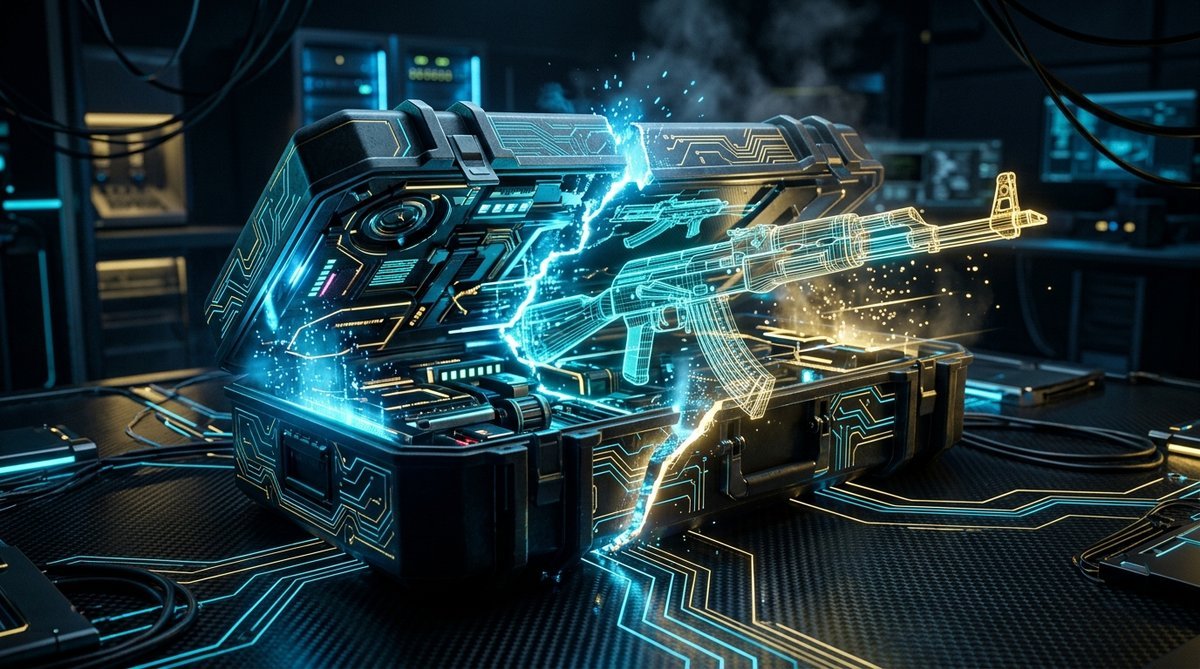
CS2 Summer 2026 Update Preview: Horizon Genesis Case, Twin Blades Knife, and What It Means for Your Inventory
The CS2 community has spent June refreshing the Steam Store page like clockwork. Why? Code miners found something big: references to a new "Horizon Genesis" case, a never-before-seen "Twin Blades" knife, and substantial Source 2 engine upgrades buried in recent game files. With Valve's summer update window historically landing between late June and mid-July, the question isn't if something drops — it's what you should do before it does.
The Code Doesn't Lie: What Miners Found
Data miners sifting through the latest CS2 builds have uncovered multiple references that point to a major content drop. The most significant find is the "Horizon Genesis" case — a name that appears in the item schema alongside texture parameters that don't match any existing skin collection. This isn't recycled content; it's built from new material definitions with properties that suggest dynamic, environment-reactive textures.
Separately, the string "Twin Blades" was found in knife definition files, sitting alongside an updated reference to the Kukri knife model. The Kukri was first introduced with the Kilowatt case in 2024, but these new code paths suggest either a refreshed finish pool or a partially new blade geometry. Historically, every time Valve has added knife-related strings to the game code, a new knife finish collection followed within 4–6 weeks.
These aren't rumors from Discord screenshots — the references exist in publicly accessible game files, verified independently by multiple data mining accounts tracked by the community at csgo-news.com. The discovery was first reported in late April 2026, and the patterns match the pre-release signatures of previous Armory and Operation updates.
Horizon Genesis: The Case That Changes Everything
The Horizon Genesis case introduces something CS2 has never seen before: skins with textures that change dynamically based on in-game lighting conditions. Two weapons have been partially revealed through the item schema analysis.
The AK-47 | Midnight Sun features dark carbon-fiber tones with intricate golden engravings across the receiver. When the weapon model enters direct sunlight on maps like Dust II or Mirage, those engravings illuminate — a literal glow-up that transforms the skin's appearance mid-round. Player reactions from preview renders have been overwhelmingly positive, with one tester noting the "incredible detailing of the rail" while cautioning that the effect looks muted in shadow-heavy areas like B tunnels.
Then there's the M4A1-S | Cyber Prism — a futuristic design with neon inserts that generate a color shimmer effect during the reload animation. Unlike static holographic finishes from older collections, the Cyber Prism's reactivity is tied to weapon state rather than just viewing angle. Reload, inspect, and fire — each action triggers a different visual response. For a weapon that's the backbone of CT-side play at every rank, a top-tier skin with this much personality could easily command prices in the $80–$200 range depending on wear.
The broader implication: if Horizon Genesis succeeds, Valve has built a technical foundation for reactive skins across future collections. This isn't just a new case — it's potentially a new category of CS2 cosmetics. The last time Valve introduced a genuinely new cosmetic mechanic was the glove slot in 2016. Reactive textures could be similarly transformative, and early adopters of the Horizon Genesis case — whether opening or holding — will be positioned ahead of the curve when the mechanic inevitably expands to gloves, knives, and agents.
Twin Blades and the Knife Market
New knife releases are the single biggest driver of case opening volume in CS2. When the Kukri knife debuted in 2024, weekly case openings spiked by an estimated 30–40% across all active cases, not just Kilowatt. Players chase the new shiny thing, and knife collectors — a surprisingly large sub-community — will open cases until they land one or buy it outright on the Steam Market.
The "Twin Blades" reference is harder to parse. It could be a dual-wield inspection animation for an existing knife type, or it could represent an entirely new blade category. Given that CS2's Source 2 engine supports more complex animation blending than CS:GO ever did, a dual-knife weapon — think daggers held in both hands during the inspect animation — is within technical reach. If that's what Twin Blades turns out to be, expect the secondary market to absolutely explode on release day.
The updated Kukri reference is almost certainly a finish pool expansion. The original Kukri launched with 13 finishes; a refresh adding Doppler phases, Gamma Doppler, or Tiger Tooth patterns would immediately create a chase item that commands $300–$800+ in Factory New condition. These are the kinds of price points that make case opening feel worth the gamble, even when the odds are stacked against you.
Beyond Cosmetics: What Else the Update Brings
Valve isn't just shipping skins. The summer update is expected to include a Source 2 performance optimization pass targeting frame rate stability on mid-range hardware. For a game where even 5 FPS can mean the difference between a clutch and a whiff, this matters to every player — and more players means more potential skin buyers.
The anti-cheat system is also getting attention. Details are thin, but csgo-news.com reports that Valve has been developing server-side detection improvements that would run alongside VAC Live. A more effective anti-cheat isn't just good for competitive integrity — it protects the value of your inventory. Cheating scandals erode trust in the entire ecosystem, and trust is what keeps a $4 billion skin market liquid.
The competitive map pool may see adjustments too, though those changes rarely move skin prices directly. The takeaway: this update is the most consequential CS2 patch since the Armory launch in 2024, touching cosmetics, performance, security, and gameplay simultaneously.
What This Means for Your Inventory Right Now
Every major CS2 update follows a predictable market pattern. In the 48 hours before the update drops, case prices typically rise 5–15% as speculators buy in. In the first week after launch, new case prices spike 200–400% above their eventual equilibrium as supply lags behind initial demand. Existing knife prices dip slightly as the new shiny thing draws wallet share, then recover within 2–3 weeks.
If you're holding cases right now — especially cases that might rotate out of the active drop pool — selling into the pre-update hype could net you 10–20% more than waiting. If you're sitting on cash and want to open, the smart play is to wait for the new case to launch, buy it at peak supply (roughly 3–5 days after release when prices stabilize), and take your shot when the cost-per-open is lowest relative to the potential reward.
And if you're just here because opening cases is fun? The Fan Favorite case is one of the best value plays right now — a solid mix of community-voted skins at a reasonable entry price, with knife odds that haven't been diluted by a bloated rare pool. Sometimes the best move isn't waiting for the future — it's playing the odds that exist today.