The Jersey Logo That Vanished: CS2's Skin Sites Are Being Pushed Off Tier 1
The Jersey Logo That Vanished: CS2's Skin Sites Are Being Pushed Off Tier 1
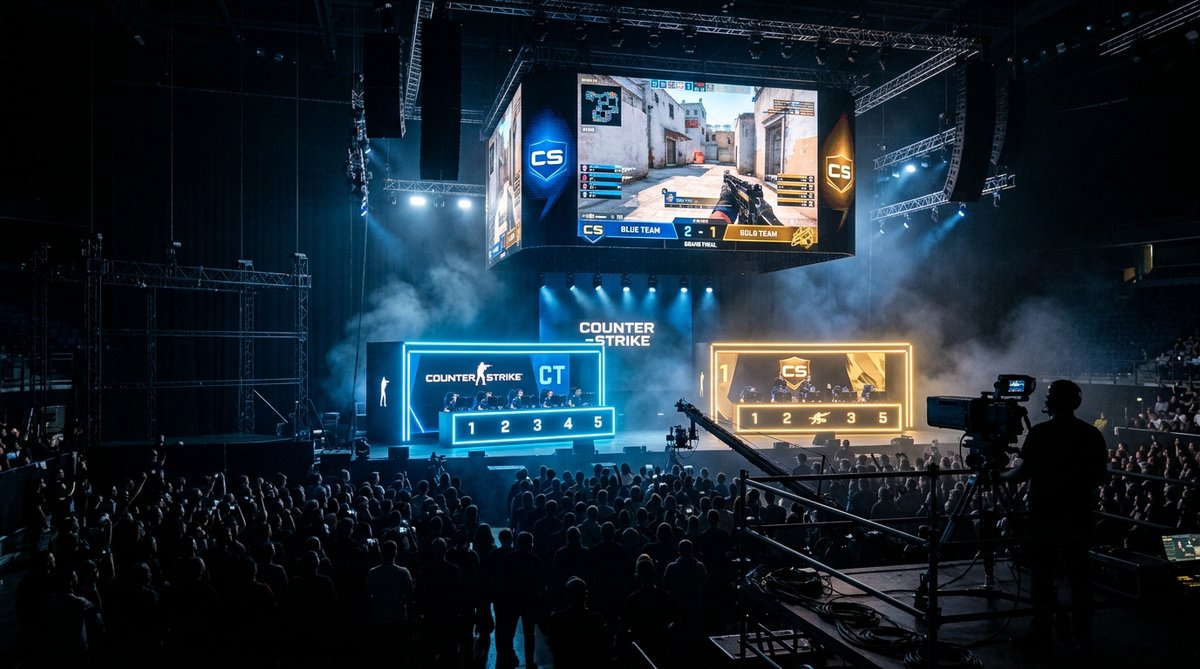
Nobody announced it. The logo was simply not there. When Team Vitality walked out against Liquid at BLAST Bounty Season 2, the patch that had sat on those jerseys for months was gone — and the partnership itself was still alive on the organisation's social channels, posting as if nothing had changed on stage.
That mismatch is the whole story in one image. A rule written nine months earlier finally found its teeth, and the first thing it bit was a sponsor logo on a tier-one broadcast.
The Rule Was Written in December 2025
The paper trail starts on December 9, 2025, when Valve revised its Tournament Operation Requirements and the Limited Game Tournament License. Section 2.4.e does the damage. It bars licensees — the tournament organisers running events under Valve's IP — from distributing or displaying content that violates Valve's intellectual property or relies on Valve's game economies.
The follow-on clause is the one that actually closed the door. It names the categories explicitly: key resellers, case-opening sites, skin-trading platforms. Logos, jersey patches, broadcast overlays, on-stage signage, sponsored segments — all out. Not just gambling operators with a bad reputation. Any company whose business model touches a player's Valve inventory.
For seven months, that was mostly a document. Rules in esports have a habit of sitting quietly while everyone waits to see who enforces them first.
Then ESL Closed the Loophole
The answer came on July 8, 2026, when ESL FACEIT Group amended its own rulebook to bring the ESL Pro Tour into line with Valve's licence terms. The new clause is blunt: "Sponsors that violate Valve's IP, including companies that interact with players' Valve game inventories, are also prohibited."
Read that twice. It is not limited to gambling. It is not limited to sites with a bad regulatory record. It captures skin marketplaces, trade platforms, and case-opening services in a single sentence — and it applies to any EFG-run event. Other major organisers followed with their own updates.
And in September, at BLAST Bounty Season 2, the policy became visible. Skin.Club branding disappeared from Vitality's jerseys during the match even as the organisation kept promoting the deal elsewhere. That is the strange middle ground the scene is now living in: contracts can survive, but the public-facing half of them cannot appear on a broadcast.
Organisers have been careful about the framing. The rulebook language is dry and legal, but the message to teams is straightforward — there is another category of sponsor waiting, and if you want to keep your broadcast slots, you move toward it. Reporting on the change notes that several organisations have already started swapping skin-platform money for mainstream brand deals. Cleaner on paper. Rarely the same money.
What This Costs the Scene
It is easy to file this under "gambling gets regulated, good news," and stop there. The revenue picture is messier than that.
There is an estimated $7.1 billion of value sitting in CS2 cosmetic items as of September 2026, and more than $1 billion a year flowing to Valve from item transactions alone according to market analysis. The platforms built on top of that economy have been one of the most reliable sources of sponsorship cash in tier-two and tier-three Counter-Strike — the exact level where most organisations actually operate and where prize money rarely covers payroll.
Those deals were never just logo placements. They were jersey patches, broadcast bumpers, on-stream segments, and social campaigns. Section 2.4.e removes all of them at licensed events. The money does not vanish — it moves off the broadcast, into affiliate arrangements, creator deals, and direct platform partnerships that never appear on a jersey.
What changes is visibility. For years, skin platforms bought their legitimacy from proximity to professional Counter-Strike — the assumption being that if a tier-one org trusted a platform enough to wear its logo, it was probably a real business. That signal is gone. What is left is whatever the platform can prove on its own terms: fill rates, delivery speed, price accuracy, and whether your money lands where you sent it.
It is also worth remembering that this is not Valve's first pass at the problem. The company sent cease-and-desist letters to a long list of gambling sites back in 2016 and has spent the decade since tightening the language around gambling and trade platforms. What is different in 2026 is the mechanism. Instead of chasing individual operators, Valve wrote a condition into the tournament licence itself, which means every organiser that wants to run licensed CS2 events now does the enforcement on Valve's behalf. Cheaper to administer. Far harder to route around.
The Wind Behind It
None of this is happening in a vacuum. The European Commission has been preparing a Digital Fairness Act for late 2026, and two lawsuits targeting loot boxes and gambling-style mechanics were filed against Valve in the United States in February and March 2026. Every logo a tournament accepts is a piece of evidence somebody can point at in those proceedings.
Read the December update in that light and it looks less like a change of heart and more like a change of exposure. Valve sells a container with random contents and real cash value in the secondary market. That product is under active legal scrutiny on two continents. Sponsoring a broadcast with platforms that turned those containers into a casino was never going to stay untouched forever.
What It Means If You Just Want Skins
Honestly? Very little of this changes your Monday. The ban targets advertising, not access. You can still buy, sell, and trade CS2 items exactly as before, and the platforms themselves remain in business — several have simply shifted their spending toward creators and search instead of esports inventory.
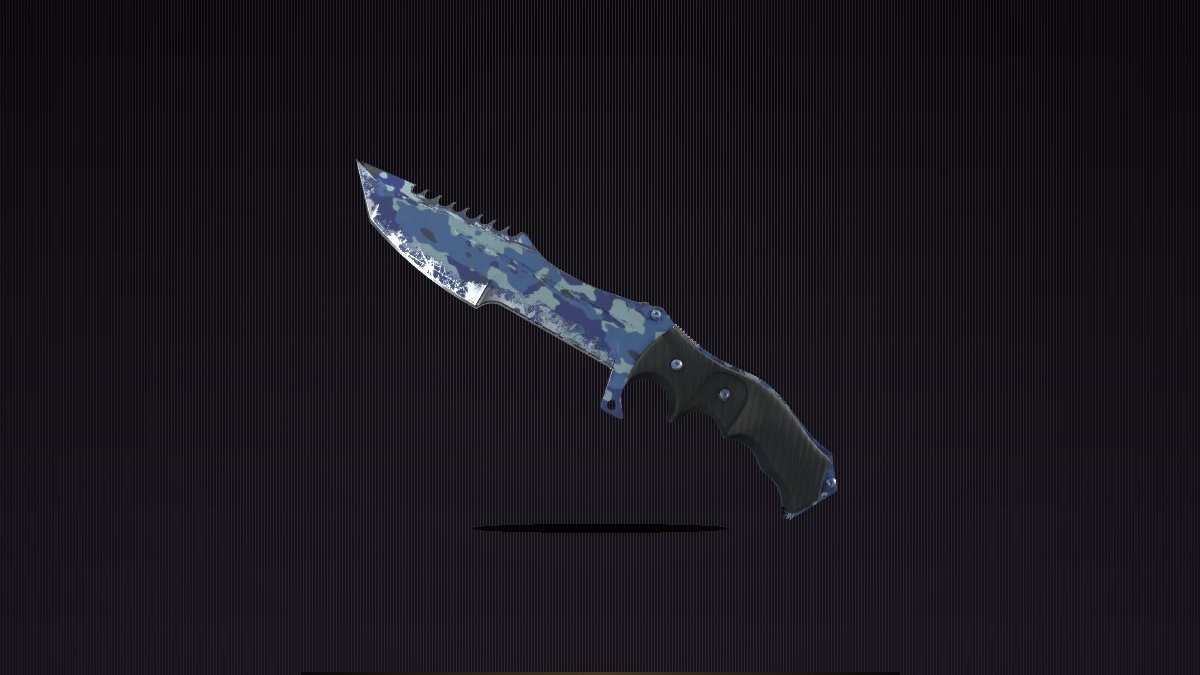
The assets at the centre of all this have not changed. A Covert knife like the ★ Huntsman Knife | Bright Water still moves on drop rates, float and demand — not on who sponsored a jersey last weekend. What got reshuffled is the marketing layer sitting on top of the economy, not the economy itself.
If there is a price effect at all, it runs the other way. Fewer advertising channels does not reduce the supply of skins or the number of people who want them. The item economy is driven by drop rates, trade-ups, and player demand, none of which the sponsorship ban touches. What could shift is platform competition: if the biggest sites can no longer buy visibility at tier-one events, the second tier of marketplaces gets a fairer shot at being found. That is generally good news for anyone comparing prices.
What it does change is how you should read a logo. For the better part of a decade, a jersey patch was doing part of your due diligence. That shortcut is closed now, and the sorting will happen on product quality instead. For buyers, that is a cleaner world, even if the scene looks poorer for it on broadcast.
The practical version: judge a platform by the price it gives you, the speed it pays out, and whether the item you receive matches the wear and float on the listing. That has always been the real test. It is now the only one.
If you want to see how a marketplace earns that trust without a jersey patch, our live market listings show real prices and real floats before you commit, and if you would rather open a case on published odds than on a sponsor's word, Frost Vault spells out the maths up front.
Valve spent December writing the rule and September watching it apply. The rest of the ecosystem is still figuring out what replaces the money that just left the broadcast. That story is not finished — and the next chapter usually shows up in a patch note nobody reads until the jerseys change.