Cheap Knives Are Back — and That's the Best Thing to Happen to CS2 in Years
Cheap Knives Are Back — and That's the Best Thing to Happen to CS2 in Years
For the first time since Counter-Strike 2 launched, a real knife costs less than a nice dinner for two. The Safari Mesh, Boreal Forest, Scorched, and Forest DDPAT finishes that used to trade hands around $100 to $130 now sit at roughly $40 to $65. That is not a glitch. It is the new floor, and most players should be celebrating it.
Every headline about the CS2 skin market in 2026 has told the same grim story: prices crashing, investors panicking, billions in value vanishing. InveGlobal measured a $1.75 billion drop in total skin market value within days of the October 2025 trade-up update. CSDB.gg's latest snapshot shows 95% of tracked skins declining, with a median drop of 30.6% since March.
But "the market is down" is only a tragedy if you were treating skins as a retirement account. For the overwhelming majority of players — the ones who just want a knife on their screen — this is the first affordable entry point in nearly a decade. Here is why the crash is actually good news, and who it genuinely hurts.
What Actually Broke the Old Floor
To understand why cheap knives are suddenly everywhere, you have to look at October 2025. Before then, a knife could only enter the game one way: through that 0.26% Gold drop from a case. That single, brutal lottery was the entire supply side, and it is why even the ugliest knife held a three-digit price.
The trade-up update rewired the whole thing. Valve let players exchange five Covert skins for a knife or a pair of gloves, creating a second, predictable path to a blade that did not depend on a 0.26% lottery ticket. Overnight, the cost of five eligible reds became the new price floor — and the old scarcity premium collapsed underneath it.
The aftershock is still working through the market months later. CSDB.gg's March-to-August comparison of 1,186 skins found knives down a median 38.8% — the steepest decline of any category, ahead of gloves at 34.8%, rifles at 28.5%, and pistols at 25.2%. This was not a blip; it was a structural repricing.
The Bull Case: A Knife for Everyone
Let's be clear about what a knife used to cost. The cheapest true blade — a camo Navaja — spent most of CS2's life trading around $65 to $80, and that was the floor. Anything with a desirable finish or a popular animation started at triple digits and climbed fast.
Today that same budget ends in a different place. Basic finishes that were $100 before the crash now land in the $40–$65 band, and the entry floor has dropped far enough that a knife stopped being a "someday" purchase and became a "this month" one. That is a genuine change in who gets to participate, not just a discount.
The practical effect is a market that finally serves the player who opens three cases a month instead of the investor who buys fifty knives and hopes for appreciation. Cheaper knives mean more people own knives, which means more loadouts, more variety, and a healthier long-term player economy than one propped up by speculators flipping the same five grails.
There is a direct precedent for this optimism. When Valve expanded Covert drop pools in 2025, the same doomsday narrative played out — and the market did not collapse, it broadened. More supply at the entry tier pulled in buyers who had never participated before, and the activity at the bottom ended up supporting prices at the top. Cheap knives are not a sign the economy is dying; they are a sign it is finally opening up.
What $45 Actually Buys You Now
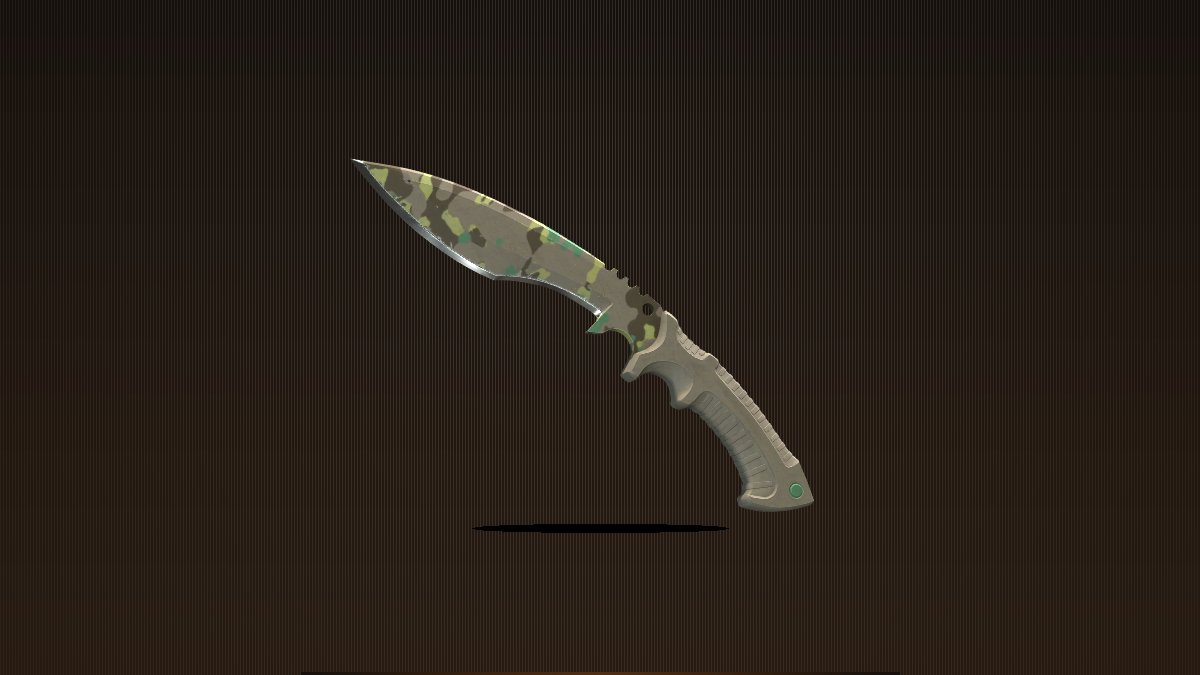
A Boreal Forest blade like the one above is not a grail, but it is a real knife — the same Gold-tier drop, the same inspect animation, the same flex on the kill feed. Five years ago that silhouette was a status symbol. Today it is a rounding error in most players' Steam budgets.
And here is the subtle part: the crash did not hit all knives equally. The mid-tier took the hardest beating because more examples entered circulation while collector demand stayed concentrated on rare, low-float versions. That means the budget and mid-tier bands are where the value now lives, while the grail end of the market still trades on rarity rather than price history.
The Bear Case: Who Actually Got Hurt
To be fair, the crash is not painless. The people who bought a Factory New Karambit at the 2024 peak are sitting on a real loss, and the knife economy has clearly repriced around the new trade-up floor rather than the old case-odds model.
Collectors chasing top-tier finishes — Gamma Doppler, Case Hardened blue gems, low-float grails — have seen the most volatility, because that end of the market was the most inflated to begin with. If you bought knives as an investment, the last nine months have been a brutal reminder that digital items with no guaranteed liquidity are not bonds.
But that is precisely the point. The knife market spent years priced for investors, and now it is priced for players. The two groups want incompatible things — one wants appreciation, the other wants access — and for the first time in a long while, the player has the leverage.
There is a second, quieter group that benefits from the chaos: traders. A market that moves 38% in six months is a market full of mispricing, and mispricing is where patient buyers find deals. The same volatility that torched investors' portfolios is what lets a careful shopper pick up a mid-tier finish at a fraction of its old price — which, conveniently, is exactly the kind of opportunity this new floor has created.
Still Wondering?
Is now the right time to buy a knife? If you want it to play with, yes — the entry fee has never been lower relative to the enjoyment the item provides. If you want it to appreciate, nobody can promise that, and the last year is the proof.
Which knife should a first-time buyer get? The classic advice still holds: pick the cheapest finish you genuinely like the look of, not the one a spreadsheet says is "undervalued." A $45 knife you use in every match beats a $400 knife you panic-sold last year.
Will prices keep falling? The floor is now set by trade-up contracts, not case odds, so further drops would need another Valve change to eligible reds or the Gold pool. The market may look calmer now, but one patch note can still rewrite the rules in a weekend.
The smart move is not to time the bottom. It is to treat a knife as a purchase, not an investment, and buy the one you would enjoy even if the market fell another 20%. When you are ready to shop the new floor, you can browse the live market and see exactly where every finish sits today.