Chinese CS2 Case Farmers Are Pausing Their Bots — Here's What It Means for Case Prices
Chinese CS2 Case Farmers Are Pausing Their Bots — Here's What It Means for Case Prices
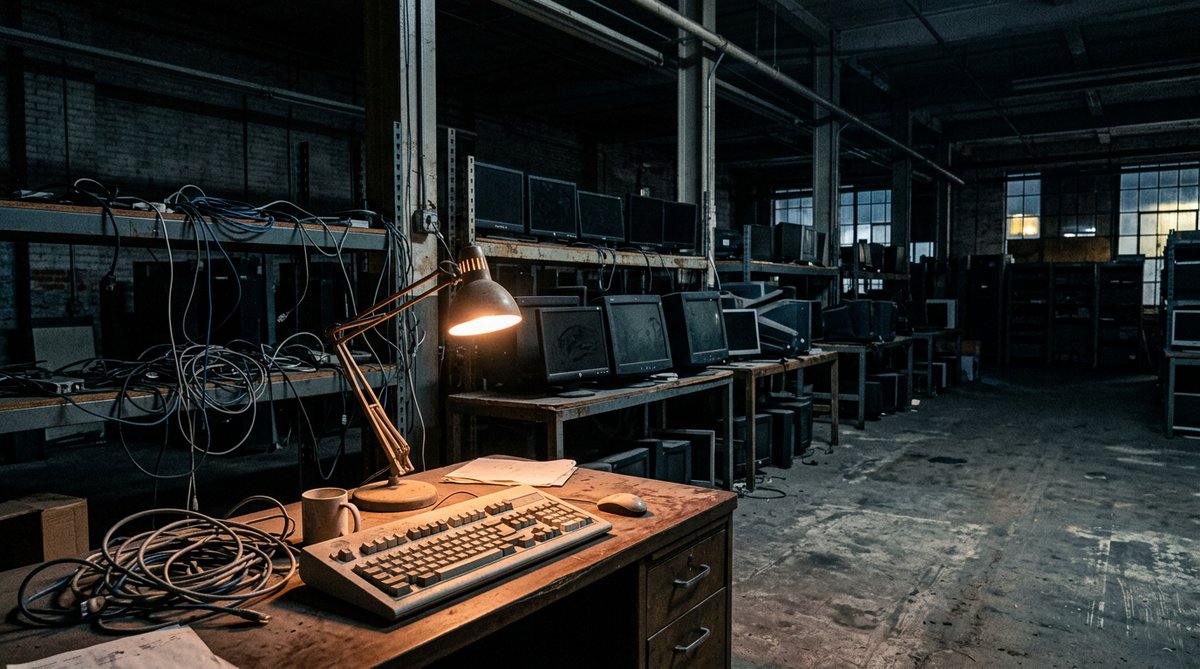
Somewhere on the outskirts of Guangzhou, hundreds of PCs sit dark for the first time in months. Rows of fans that used to spin around the clock — pushing automated Counter-Strike 2 accounts through case-dropping loops — have gone quiet. The operators didn't lose power, their internet, or their appetite for profit. They're scared of one thing: Valve's newly reactivated anti-cheat pipeline.
In the last two weeks, the CS2 bot-farming economy — the invisible machine that floods the market with cases, drops, and cheap items — hit its biggest speed bump since a trade-up update reportedly erased nearly $2 billion in item value on August 7. This time the trigger isn't an economy change. It's enforcement, and it's aimed squarely at the people who produce the most cases on earth.
The Trigger: VACnet Got Eyes Again
On August 2, Valve shipped a quiet but consequential update. Tucked between map fixes for Cache and Shelter was a single line that sent a chill through farming communities: "Fixed a bug that allowed malicious players to avoid being processed by VACnet." For months, that bug was the back door. Bots that farmed cases around the clock could slip past the AI anti-cheat, racking up drops without tripping any automated review.
Then, on August 11, Valve went further and launched a VACnet labeling portal — a video-review system that is effectively the return of Overwatch. Human reviewers are being recruited to watch suspicious clips and label them, feeding the AI a training set of what cheating actually looks like. PC Guide, Dust2.us, and Tech Times all covered the rollout the same week. The message was unambiguous: detection is getting both smarter and more human.
For anyone who played CS:GO in the late 2010s, this is familiar territory. Overwatch ran from 2017 until it was quietly retired in 2021, letting trusted players review reported demos and vote on whether a suspect was cheating. Its return — now bolted onto VACnet's machine learning — closes a gap the AI alone couldn't cover. A bot that never misses a spray pattern is easy for the model to catch, but a clever farmer who spaces out inputs can still blend in. Human reviewers catch what the algorithm misses.
Why does that matter to a case farmer? Because a farming bot doesn't cheat in the traditional sense — it doesn't aimbot or wallhack. But it behaves in ways VACnet is now trained to flag: identical inputs, inhuman play patterns, and thousands of accounts sharing the same hardware fingerprints. Once the review pipeline starts labeling those clips, the risk calculus for every operator changes overnight.
The Scale of What's at Stake
The numbers explain why operators are pausing rather than plowing ahead. Valve has already shown it can swing a heavy hammer: back in March 2026, it issued 960,000 VAC bans in a single day, according to TechPowerUp. That's not a typo — nearly a million accounts banned inside 24 hours. A farming operation running hundreds of paid-for accounts can't absorb a wave of that size without taking a real financial hit.
And the underlying asset they're farming is enormous. The CS2 skin economy is routinely valued around $6 billion, which makes it one of the largest virtual-item markets on the planet. Cases are the raw material of that economy — the cheap keys that gate access to every knife, glove, and Covert skin people actually chase. When case supply tightens, the whole machine feels it.
The economics of a single case drive home why scale matters. A farming operation doesn't need a case to be worth much — it needs volume. At even a dollar or two per case across tens of thousands of weekly drops, a healthy farm prints real money on autopilot. Remove the bots, and that volume doesn't get replaced by human players, because grinding casual matches for a $1 drop has never been a good use of anyone's time. That's the quiet reality behind the supply curve.
It's easy to forget that every case you open started as a drop. Someone had to play the match, earn the item, and list it. When the bulk of that "someone" is automated, the market quietly depends on bots doing work no human wants to do. That dependence is exactly why a bot pause matters more than any single patch note.
Why a Bot Pause Moves Case Prices
Here's the mechanism, and it's simpler than most people think. A case's price on the Steam Market and on third-party sites is a pure supply-and-demand story. When farms run thousands of accounts through matches and weekly drops, they generate a steady stream of cases that gets listed the moment it lands. That constant flow is what keeps case prices pinned low.
Take a pause of even a few weeks, and the flow thins out. Fewer new listings means the cheapest sell orders get bought up faster, and the price floor creeps upward. We saw a preview of this exact dynamic in early August, when the trade-up update reportedly erased nearly $2 billion in market value overnight. Sudden supply shifts in CS2 don't move slowly — they snap, and they leave the people who weren't watching holding the bag.
None of this is hypothetical hand-waving. The Skin.Club community reported on August 14 that Chinese case-farming operations were actively pausing bots "over VACNet fears." When the people who produce the most cases on the planet decide it's not worth the ban risk, the supply picture changes for everyone else — including the casual player who just wants to open a few cases on a Friday night.
What This Actually Means for You
If you're a regular player, the near-term effect is likely higher case prices and, for a while, tighter supply on popular cases. That's not a reason to panic-buy, but it is a reason to pay attention to what you're actually paying. A case that has been sitting at a stable price for months is exactly the kind of item a bot pause can nudge up 10–20% in a matter of weeks.
If you're a flipper or a small-time investor, the bigger signal is this: Valve is serious about cleaning up the farming layer of the economy. Every enforcement push in CS2's history — from the first VAC waves to the trade-up changes — has produced short-term volatility and long-term consolidation. Items tied to legitimate supply tend to hold their value; items whose prices depended on bot-driven volume tend to wobble.
One practical way to track the shift is to watch the price floor on the most farmed cases — the ones that trade in huge volume and respond fastest to supply changes. When a widely farmed case's cheapest listing starts climbing while its volume drops, that's the pause showing up in the data. It tends to happen quietly, over days rather than hours, which is exactly why casual players usually notice only after prices have already moved.
For everyone else, the story is the same one CS2 has been telling since skins became a market: the people who win are the ones who understand the machinery behind the numbers. A warehouse in Guangzhou going dark is, in its own strange way, as much a market signal as any patch note Valve publishes.
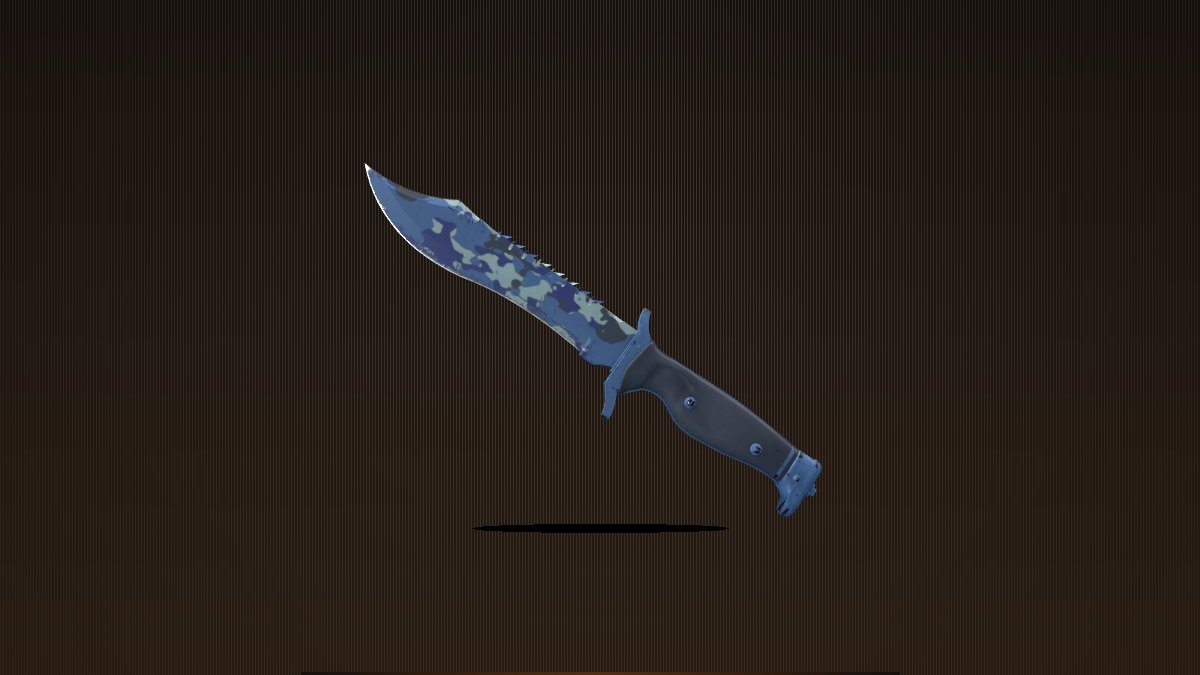
The simplest way to watch this play out is to keep an eye on what a case actually costs right now — and whether that number starts to drift. You can check live case prices and open the ones that matter, like Phantom Cache and the rest of the current lineup, over on skinvs — where the numbers update with the market instead of lagging behind it.