Valve's Bomb Rework Is the Biggest CS Meta Change in a Decade — Here's Why It's Genius
Valve's Bomb Rework Is the Biggest CS Meta Change in a Decade — Here's Why It's Genius
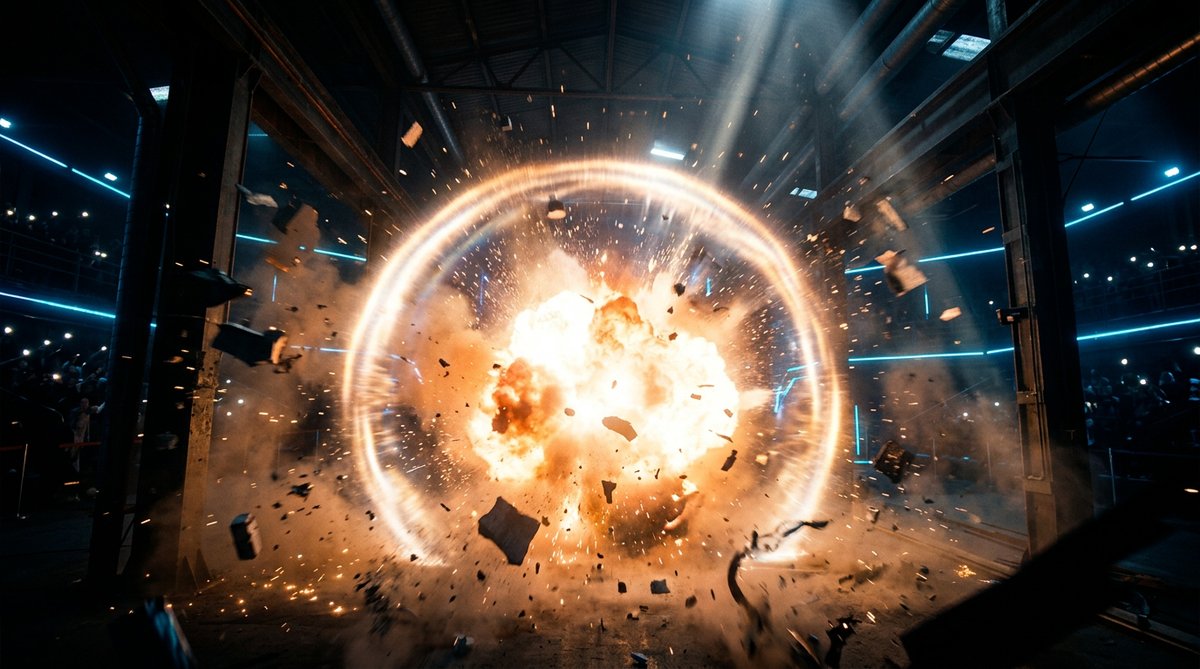
For ten years, the Counter-Strike bomb has worked exactly the same way: a flat damage radius centered on the C4. Stand within X meters, take Y damage, die. Every post-plant position, every retake timing, every "ninja defuse" clip — they all trace back to that one simple rule. On July 8, 2026, Valve threw it out. The new shockwave system replaces flat-radius damage with a physically simulated expanding blast that bends around corners and attenuates through walls. Here's why it's the smartest design change Valve has made since CS2 launched.
The Bull Case: Why the Shockwave Is Brilliant
The old bomb damage model created a solved meta. Every player above Gold Nova knew exactly how far to run after a plant. On A-site Mirage, you go Tetris or CT ramp. On B-site Dust2, you go tunnels or car. These positions weren't chosen because they were tactically interesting — they were chosen because the damage math said you'd survive. The meta calcified around blunt damage zones, and post-plant became more about geometry than decision-making.
The shockwave changes everything. Damage now propagates like a real explosion — it expands from the bomb center, loses energy through walls and around corners, and interacts with map geometry dynamically. A player behind a solid wall takes less damage than one at the same distance in the open. A player partially behind cover might survive where they previously wouldn't. The bomb isn't just a timer with a death zone anymore — it's a physics event.
This has three immediate competitive benefits:
1. More viable post-plant positions. Cover matters now, not just distance. A thin wooden box on Nuke's B-site that used to be suicide might now reduce damage enough to survive. This rewards map knowledge and positional creativity instead of rote memorization of safe-distance markers.
2. Richer retake decision-making. CTs retaking a site now have to factor in whether the bomb has line-of-sight to their approach path. You might take a longer rotate that keeps hard cover between you and the bomb, sacrificing time for survivability. That's a real tactical trade-off, not just a timer race.
3. The "fake defuse" mind game gets deeper. Before, a T peeking to stop a defuse knew the CT was either on the bomb or dead. Now, a CT can start a defuse behind partial cover, survive the peek with reduced damage from the T's shot, and potentially win the round through a combination of positioning and timing. It rewards the CT who can find the exact pixel where cover meets defuse range.
The Bear Case: What Could Go Wrong
It's not all upside. The shockwave system introduces complexity that could backfire:
1. Inconsistent player experience. Two players at the same distance from the bomb might survive or die based on which side of a crate they're standing behind. In a game built on precise, predictable mechanics, adding environmental RNG to bomb survival feels wrong. "I died because the shockwave curved around my cover" is a frustrating way to lose a round.
2. Map imbalance amplification. Some maps have better post-plant cover than others. Cache's A-site has natural cover everywhere. Ancient's A-site has less. If the shockwave makes certain maps more T-favored in post-plant scenarios, the already-delicate map balance gets harder to maintain.
3. Pro scene volatility. The competitive meta around post-plant has been refined over a decade. Pro teams have exact timings for every retake on every map. The shockwave introduces a layer of uncertainty into the most scripted phase of a CS round. That's exciting for viewers but potentially infuriating for players whose livelihoods depend on predictable mechanics.
My Take: This Is the Right Kind of Risk
CS has always evolved by adding complexity to simple systems. Smokes went from static spheres to volumetric clouds. Molotovs went from simple fire puddles to spreading flames with interaction zones. Each time, the competitive scene grumbled for a month and then adapted — and the game got better.
The bomb rework follows the same pattern. Yes, there will be frustrating deaths while players learn the new damage model. Yes, some pro matches will be decided by a shockwave interaction that feels unfair. But the alternative — keeping the flat-radius bomb forever — means accepting a solved post-plant meta that hasn't meaningfully changed since 2014.
Valve shipped a hotfix on July 9 that already addressed the worst edge cases: chip damage through walls was reduced, and the blast boundary damage was smoothed. That's the right approach — ship the big change, watch the data, and iterate fast. The shockwave isn't perfect yet, but it's already more interesting than what it replaced.
The real test comes in the first Premier Season 5 LAN event. When a pro team loses a $50,000 round because the shockwave curved around a corner that a player thought was safe, the community will decide whether this change sticks. My bet: it does. Because once players learn the new system, going back to flat-radius bombs will feel like playing with training wheels.
What the July 9 Hotfix Changed
Valve moved fast. Less than 24 hours after the shockwave launched, a hotfix addressed the community's biggest complaints:
- Chip damage through walls reduced by 30%. Early testers found that thin materials like the wooden doors on Nuke were transmitting nearly full blast damage. The hotfix made wall material a more significant damage filter.
- Boundary smoothing added. The initial implementation had harsh damage cutoffs at certain distances — you'd go from "survivable" to "instant death" across a single meter. The hotfix added a damage falloff curve at the blast boundary, making survival more predictable.
- Weapon push force recalibrated. The shockwave was yeeting dropped weapons across the map. Reduced to a more reasonable physics impulse that still looks dramatic but doesn't send an AWP flying into CT spawn.
These fixes suggest Valve is watching the data closely. If the hotfix cadence continues, the shockwave system should be well-tuned by the time Season 5's first major tournament rolls around.
Track how the new meta affects skin prices — bomb-related sticker sales, C4-themed skins, and the general market — at Skin.VS.