Valve Is Quietly Redesigning CS2's Case System — What It Means for Your Skins
Valve Is Quietly Redesigning CS2's Case System — What It Means for Your Skins
Here is a date you probably missed: March 31, 2025. That is when the Fever Case shipped — and it remains the last classic case-and-key case Valve has ever released. For more than a year, CS2's biggest skin updates have arrived through entirely different systems: Armory Passes, terminals, and weekly drop rotations. On July 8, 2026, Valve added a full set of new Armory skins without touching the classic case format at all.
That is not an accident. It is a redesign — and it changes what your case collection is actually worth. Here is what Valve changed, what it means, and why I think classic cases are quietly becoming collectibles.
What Valve Actually Changed
The first major signal came on December 17, 2025, when Valve zeroed out the Rare Drop Pool. More than 35 older cases stopped appearing in weekly drops entirely, removing the small chance of earning them for free. By January 2026, the Weekly Care Package was down to just four cases plus the new Sealed Genesis Terminal.
Then Valve did something unprecedented: it started putting terminals — not cases — into the active rotation. The Sealed Genesis Terminal arrived in September 2025, and the Sealed Dead Hand Terminal joined on March 11, 2026, replacing the Recoil Case in the weekly pool.
Terminals work differently from cases in one crucial way: before you pay, CS2 shows you the exact skin, its exterior, and a fixed price. You accept the offer or skip to the next one, with only a limited number of offers per terminal. No key required. No random reveal after payment — the "jackpot" moment is gone, replaced by a take-it-or-leave-it shop.
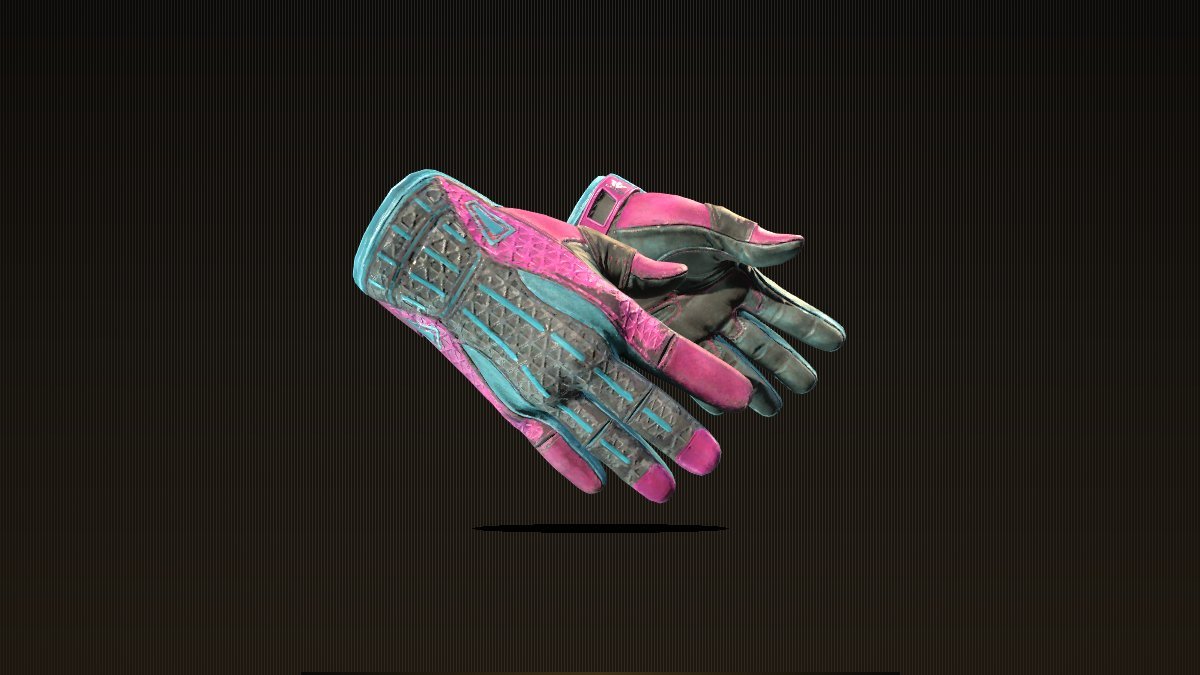
The Dead Hand Terminal also ended a record drought: its 22 new gloves were the first new glove set in more than 1,900 days, since Operation Broken Fang. And here is the twist — the Genesis Terminal launched with no gold slot at all, meaning no knife or glove pool. Valve can now ship a full collection without adding a single new knife to the game.
The drop-pool numbers show how deliberate this is. Community trackers estimate the Sealed Dead Hand Terminal carries roughly a 32% share of weekly drops, while the Genesis Terminal sits around 17% — the same share as the Kilowatt and Revolution cases. Valve is not replacing cases with terminals one-for-one; it is steering more weekly drops toward the format it controls, skin by skin, price by price. That level of control simply does not exist in the classic case economy, where the market sets every price after opening.
The Bull Case: Why This Could Be Good
For players, terminals remove the worst part of case opening: paying for a key, then getting a $0.03 skin. Seeing the item and its fixed price before buying is honest commerce. The Armory Pass follows the same logic — you earn up to 40 credits through XP, redeem them for collections, charms, or stickers, and never touch a key.
The numbers say Valve is not losing money. Case keys generated an estimated $980 million in 2023 on roughly 360 million keys. In 2025, players still opened more than 400 million cases, keeping key sales near $1 billion — while Armory-related revenue added at least $878 million by July 2026. New skin formats are an extra revenue stream, not a replacement.
And for anyone who wanted gloves: the Dead Hand Terminal proves Valve still cares about rare items. The first new gloves in five years is the kind of release that pulls lapsed players back.
The Bear Case: What We Are Losing
Here is the uncomfortable part. Genesis showed that terminals can ship with no gold slot — so every future terminal is a coin flip on whether knives or gloves are even available. If Valve keeps that pattern, the supply of new knife skins could stall while demand keeps climbing.
For case holders, the drought cuts both ways. Old classic cases that left the weekly pool (35+ of them) become rarer — that is bullish for their price. But the classic format itself is fading: fewer new cases means fewer players opening them, less volume, and a market increasingly driven by hoarders rather than casual openers.
The bigger risk is speculation. The October 2025 trade-up update already wiped roughly $1 billion off the skin market in a single day before it recovered to about $5.16 billion. A market that can lose a fifth of its value on one patch note is not a safe place for anyone treating cases as an investment with guaranteed upside.
My Take: Cases Become Collectibles
I think Valve is doing the smart, boring thing: turning a gambling loop into a retail store while keeping the lottery tickets alive for collectors. Terminals and the Armory handle new content; classic cases become limited-supply legacy items.
That makes the remaining active cases — and the older cases that left the drop pool — more interesting as long-term holds, precisely because Valve is not printing new ones. If you already own cases, hold them. If you are buying today, buy the ones that are out of the weekly rotation, not the ones Valve can still drip into your care package.
For knives and gloves specifically, watch the terminals. If the next terminal after Dead Hand includes a knife pool, knife prices soften. If it ships with no gold slot again, existing knives get scarcer — and the $37 budget knives from the current market start looking like a floor.
The one thing that has not changed: opening cases is still the fastest way to test your luck on rare items. If you want the classic jackpot feel while the format still exists, the Silent Form case on skinvs is a solid pick, and you can check live prices on the skinvs market. The format may be changing — but the hunt for the gold item is not going anywhere.