The CS2 Skin Market Is Bouncing Back - Just Not Where You Left It

The CS2 Skin Market Is Bouncing Back — Just Not Where You Left It
In October 2025, a single Valve patch erased billions from the CS2 skin economy in a matter of hours. A year later, knives have rebounded 245% off their crash lows. The market is recovering — but it's not the market you remember.
The recovery is real, and the numbers prove it. But here's the part most people miss: the value didn't come back evenly. Standard knives and gloves are trading at permanently lower floors, while a different class of items quietly absorbed the money that left.
If you're holding an inventory, the question isn't whether the market is back. It's whether your specific items are back — and for a lot of holders, the answer is no.
The Bull Case
Start with the headline. By April 2026, tracking data showed knives up 245% from their crash lows, gloves up 180%, and Covert rifles up 120%. The total tracked market cap had climbed back above $5 billion after bottoming near $3 billion.
Those are not small moves. A knife that bottomed at $100 in November 2025 was trading around $345 by mid-spring. Gloves and Covert rifles followed a similar arc, just a few weeks behind. The panic that defined late 2025 had clearly broken.
The catalyst wasn't a single event. The market found a new lower baseline as the trade-up mechanics stabilized, speculative supply got absorbed, and the Dead Hand Terminal launch in March 2026 injected fresh buyer interest. Three to four months of natural trading volume worked through the October oversupply.
The Bear Case
Now the uncomfortable part. "Up 245% from the crash low" sounds great until you realize it's still 12% below the pre-crash high for knives, 8% below for gloves, and 5% below for Covert rifles.
The crash itself was brutal in ways the recovery hasn't erased. The EsportFire 300 Index, which tracks a broad basket of knives, gloves, and Covert skins, dropped from just over $50,000 to $28,062.67 — roughly a 45% decline in under two days. Individual gloves got obliterated: Bloodhound Gloves Charred in Field-Tested fell 81.19%, and Specialist Gloves Forest DDPAT dropped over 88% in a single week.
When Forbes and Pricempire ran the numbers, the market cap fell from roughly $5.9 billion to $4.2 billion in hours, and at the lowest point about $2 billion of player-owned value simply ceased to exist. Famous holders felt it personally: Neymar Jr. reportedly lost around $50,000 in inventory value overnight, and former pro olofmeister saw a 65% decline.
How the Crash Actually Unfolded
The October 2025 collapse wasn't a single event but a chain reaction through three phases. First came the scarcity break, when the five-Covert trade-up route suddenly made knives and gloves craftable. Then the premium selloff, as Butterfly Knives, Karambits, and rare gloves dropped 40 to 70 percent within hours. Finally, marketwide panic spread to every segment as holders rushed to liquidate before prices fell further.
That final phase is what did the real damage. Professional traders noted at the time that the breadth of the selloff far exceeded what the actual supply change justified. Confidence, not supply, was the primary driver — and panic selling always amplifies a move far beyond what the mechanics warrant.
A side effect nobody predicted: cheap Covert skins became raw crafting materials overnight. The MP9 Starlight Protector jumped from under $5 to over $40 because it was suddenly the cheapest pathway to a knife. Scarcity didn't disappear — it just relocated to the ingredients.
Why Standard Knives Won't Fully Come Back
The October update didn't just move prices — it changed the supply mechanism. Before October 23, 2025, knives and gloves could only enter circulation through case openings with extremely low drop odds. That scarcity was the entire pricing model.
Then Valve allowed five Covert (red) skins to be submitted through the trade-up contract to receive a knife or gloves in return. A guaranteed, if expensive, path to a knife suddenly existed. CSFloat's analysis found that even a complete conversion of every eligible Covert skin would roughly double knife supply — from about 5.5 million to 11 million units.
That's the structural shift the recovery can't undo. Standard knives now have a supply ceiling set by Covert skin availability, not by case drop odds alone. The old equilibrium, where a standard Karambit traded on pure drop-rate scarcity, is gone for good.
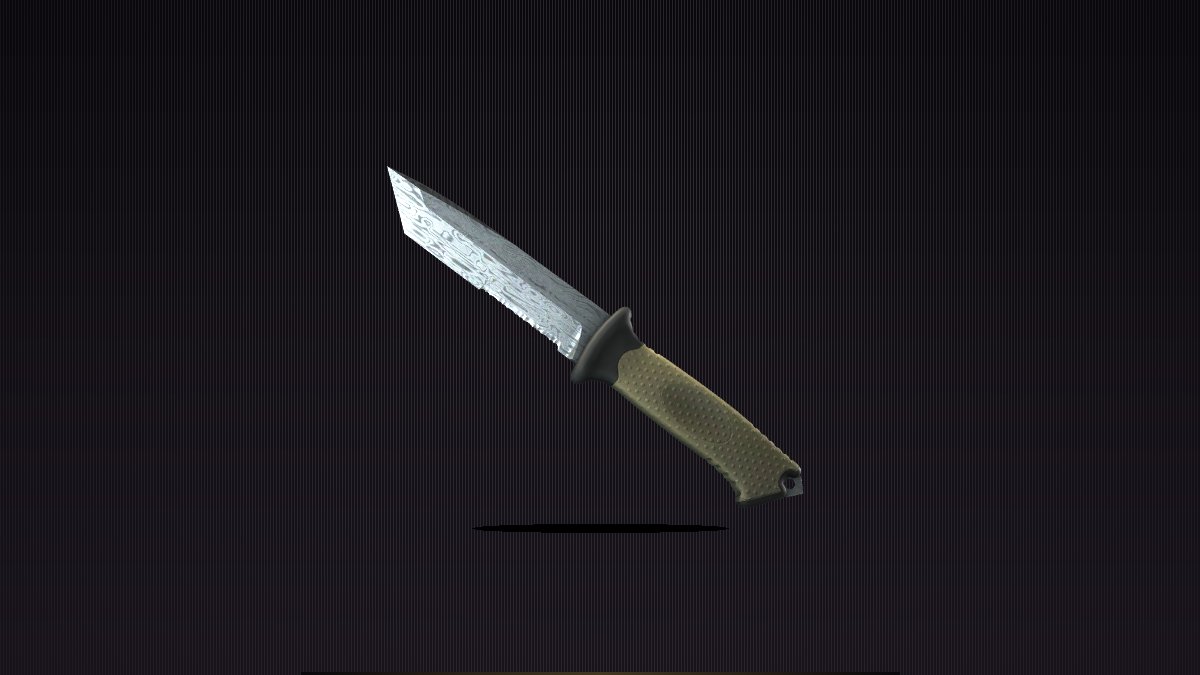
Where the Value Actually Went
Money that left standard knives didn't vanish — it moved. Blue-chip items like the AWP Dragon Lore and M4A4 Howl barely moved during the crash and are increasingly treated as safe havens. Contraband items and clean Fade patterns that can't be replicated through trade-ups held their ground.
Discontinued tournament stickers proved the most resilient of all. Katowice 2014 holos were valued around $85,200 for a Titan Holo in January 2026, with iBUYPOWER holos trading in six figures. They went from literal cents at release to five and six figures over a decade, and they simply don't move with the rest of the market.
There's also a repeatable pattern worth learning: when a map leaves the active pool, its souvenir items become finite forever. When Dust2 was removed, the Souvenir AK-47 Gold Arabesque jumped from often under $2,000 to over $6,000 in Factory New. Discontinued supply, not hype, drove that move.
Still Wondering?
Is the market fully recovered? No. The rebound to roughly $5 billion is real, but it sits below the pre-crash $6 billion peak, and standard knives and gloves trade at permanently lower floors because the supply mechanism itself changed.
What's the safest thing to hold? Discontinued cases, blue-chip items like the AWP Dragon Lore and M4A4 Howl, and old tournament stickers. They proved during the crash that they hold value when everything else drops.
Are cheap skins safe? Roughly. Items under $5 were already near their minimum value, so they had almost no downside during the crash. The danger zone is the mid-tier and high-tier speculative stuff, which fell the hardest and recovered the least evenly.
My Take
The CS2 market isn't in collapse — it's in transition. Trading volume actually increased 18% year-over-year as more players began treating skins as liquid assets to be traded rather than collectibles to be hoarded. Price discovery is more efficient than ever, even if dollar values are lower.
For players who just want a good-looking loadout, this is one of the best entry points in years. Prices are down, inventory upgrades are cheaper, and there are more options than ever. For investors, the market direction is genuinely uncertain — the downside risk is real, and the recovery timeline is unclear.
My honest read: prioritize rarity over hype. Discontinued collections and fixed-supply cases are your safest harbor, because an AK from a case that no longer drops will always carry intrinsic scarcity. Diversify across rifles, pistols, knives, and stickers — different categories respond to Valve updates in completely different ways.
If you want to see the supply mechanics in action yourself, the Frost Vault case on skinvs is a clean example of a premium pool where the odds and pricing are laid out up front. Understanding what you're actually opening is the first step to not being the next person caught holding a skin that a future update makes redundant.