Valve Hasn't Shipped a Normal Case in 33 Months
Valve Hasn't Shipped a Normal Case in 33 Months
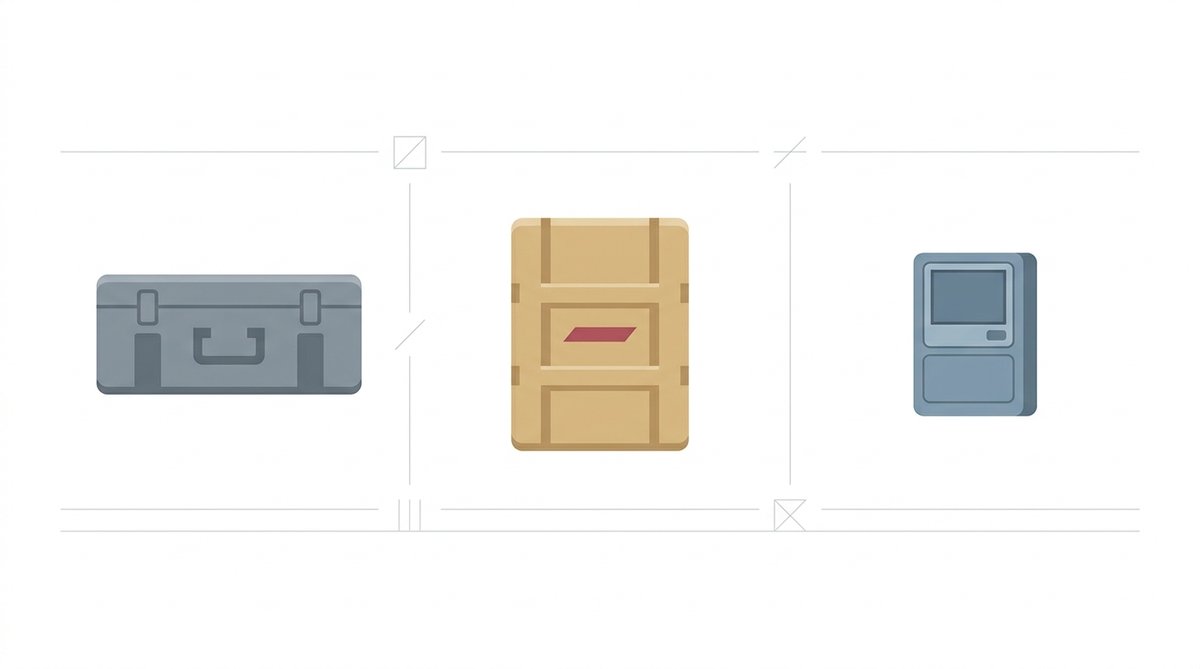
The newest ordinary weapon case in Counter-Strike 2 is the Kilowatt Case. It shipped in early 2024. Since then Valve has released a Gallery Case, a Fever Case, a Genesis Terminal and a Dead Hand Terminal — four container products, zero of them a case-and-key drop in the classic sense. People keep asking "when is the next case coming" and the honest answer is that the question no longer has one answer.
I don't think that's a content drought. I think it's the most consequential change to the CS2 item economy in 2026, and it's being priced by almost nobody. Valve didn't stop shipping containers. It split them into three products with three completely different supply curves — and then let the whole market keep calling all three "cases."
The Last One Standing
Line up the release order and the pattern is impossible to miss. Kilowatt, early 2024, classic weekly-drop case with a matching key. Gallery, July 2024, sold through the Armory for credits. Fever, early 2025, also Armory. Genesis, September 2025, a terminal — seventeen community-designed skins from Mil-Spec up to Covert, presented as paid item offers instead of a keyed crate. Dead Hand, March 2026, another terminal, this one tied to the Dead Hand Collection and the weekly drop route.
Then in July 2026 Valve added more Armory content and did not ship a traditional case at all. That is the tell. Under the old rhythm — Recoil roughly six months after Dreams & Nightmares, Revolution about seven months after Recoil, Kilowatt a year after Revolution — we were overdue for a classic case somewhere around the middle of 2025. It never came. Valve has announced no date and given no explanation.
So "the newest CS2 case" now resolves to four different items depending on which definition you use: Dead Hand Terminal overall, Fever through the Armory, Kilowatt through the classic route. That is not a technicality. It means two players can both be talking about "the new case" and be describing assets that behave nothing alike.
Three Formats, Three Different Supply Curves
Here is why the label matters more than the shipping date. A classic case has the cleanest economics in the entire game: it drops into the weekly Prime pool, it needs a key, and its supply grows steadily as long as people play. Predictable inflow, predictable drain. That is what makes a five-year-old case like Operation Broken Fang $4.58 while a two-year-old Kilowatt sits in the cents.
An Armory release works on credits. Valve sets the redemption window, and when that window closes, supply stops being a function of how many people play and starts being a function of how many people redeemed. That's a much sharper supply curve, and it's entirely controlled by a decision Valve makes on a date nobody outside the company knows.
A terminal is stranger still. It presents item offers, not a keyed crate on a fixed drop table, and Dead Hand rides the weekly route. Nobody outside Valve can model the flow, which means nobody can model the float. In an economy where every serious trader has an opinion about case supply, we've handed a third of new releases to a format with no public supply model at all.
What It Did to Case Prices
The price action already reflects the split, and it doesn't look like a market that's starving for content. Take the week to November 9. The broad CS2 skin index sat at 90.89, down 2.1% on the week — a soft tape. And yet the Recoil Case, a 2022 classic, was up 15.8% to $0.22. The Clutch Case added 5.7% to $0.37. Operation Phoenix climbed 7.7% to $3.37.
Meanwhile the Sealed Dead Hand Terminal — the newest container product in the game — fell 10.0% to $0.18. Operation Broken Fang lost 7.7%. The CS20 Case slipped 6.9%. The newest thing on the shelf is the cheapest thing on the shelf, and it's still falling.
That inversion is the whole story. Classic cases are appreciating because their supply is fixed by the drop pool and slowly consumed by openings — the same mechanism that made retired cases worth 1,500x their original price. Terminal-era product has no such squeeze, because the flow is a Valve decision, not a population statistic. You can't front-run a supply cutoff you can't see.
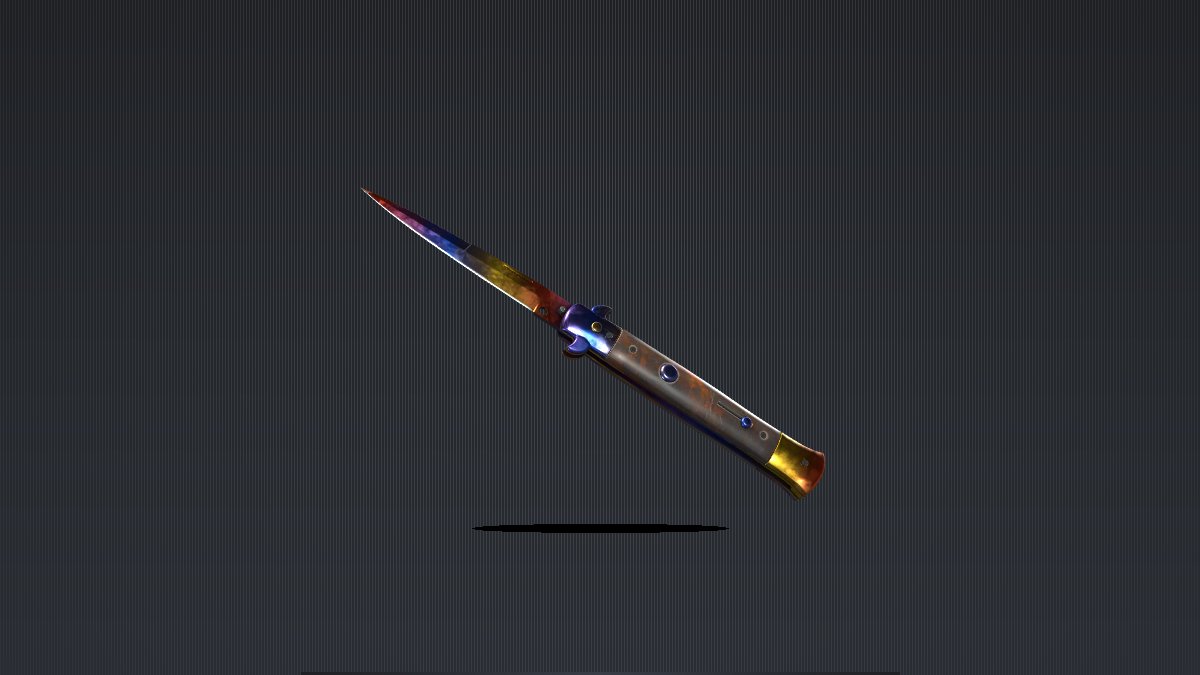
Which is also why the chase item still does all the work. A Factory New Stiletto Knife | Marble Fade trades around $324 on the marketplace today, and that price is not being set by which container it came out of. It's set by how many exist and how badly people want them. The container is just the lottery ticket that gets you there.
The Counterargument
The fair objection is that none of this matters to players — and it's mostly right. If you open a case for fun, the format is irrelevant. Dead Hand skins are real skins. Armory releases put genuinely good community work in the game, Genesis included. The people complaining loudest about a missing classic case are usually the people holding inventory, not the people playing.
But "it doesn't matter to players" and "it doesn't matter to the market" are different claims, and the second one is false. Case economics is the foundation layer of the skin economy: cases set the floor under every cheap skin, they define what a knife costs to chase, and they anchor the whole trade-up pipeline. Change the supply mechanics of cases and you change the floor under everything else — slowly, quietly, and without a patch note that says so.
You can watch that pipeline work in the opposite direction. When Valve made knives craftable in October 2025, the raw material for a knife stopped being "a case drop" and became "ten Covert skins," and the cheap reds that fed the contract rose several-fold while ordinary knives fell 40 to 55%. One rule change, and the value moved from the container to the input. The format split is the same kind of lever, just pulled more slowly. Whatever the container is decides what the item under it is worth.
Look at what the floor has done. The estimated market cap fell from roughly $9.5 billion in mid-March to about $5.8 billion in early November, a loss near 40%. The median CS2 skin is down around 42% since March. That is not a content problem. It's a repricing of the entire asset class, and the container format is one of the reasons the repricing can't find a bottom — there's no predictable new supply to average against.
Where This Leaves a Sealed Container
My position, plainly: stop treating "case" as one asset class. Split your thinking into three buckets, because Valve already did.
- Classic cases — Kilowatt and everything older. Supply grows with the player base and dies with openings. These are the only containers with a supply model you can actually reason about, and the price table above shows the market knows it.
- Armory releases — Gallery, Fever. Supply ends on a date Valve picked in private. Treat them as event product, not as accumulating scarcity.
- Terminals — Genesis, Dead Hand. Weekly flow, offer-based, no public model. Price them like a live-service product with an unknown half-life, because that's what they are.
And if you want the classic-case mechanic specifically — a keyed crate with a fixed drop table and a real knife inside — the practical move is to buy the format that still works instead of waiting for Valve to resume a cadence it hasn't confirmed. A container like the Phantom Cache gives you the original version of the loop: key, table, chase item. That's the thing the last 33 months have quietly stopped producing.
The next classic case will probably arrive eventually. Valve has never permanently abandoned a well-understood revenue stream. But "eventually" is doing enormous work in that sentence, and until a patch note names a case and a key, every sealed container in your inventory is sitting on a supply curve nobody has published.