“Either He’s Cheating or It’s a Smurf” — How Team Spirit Discovered donk
“Either He’s Cheating or It’s a Smurf” — How Team Spirit Discovered donk
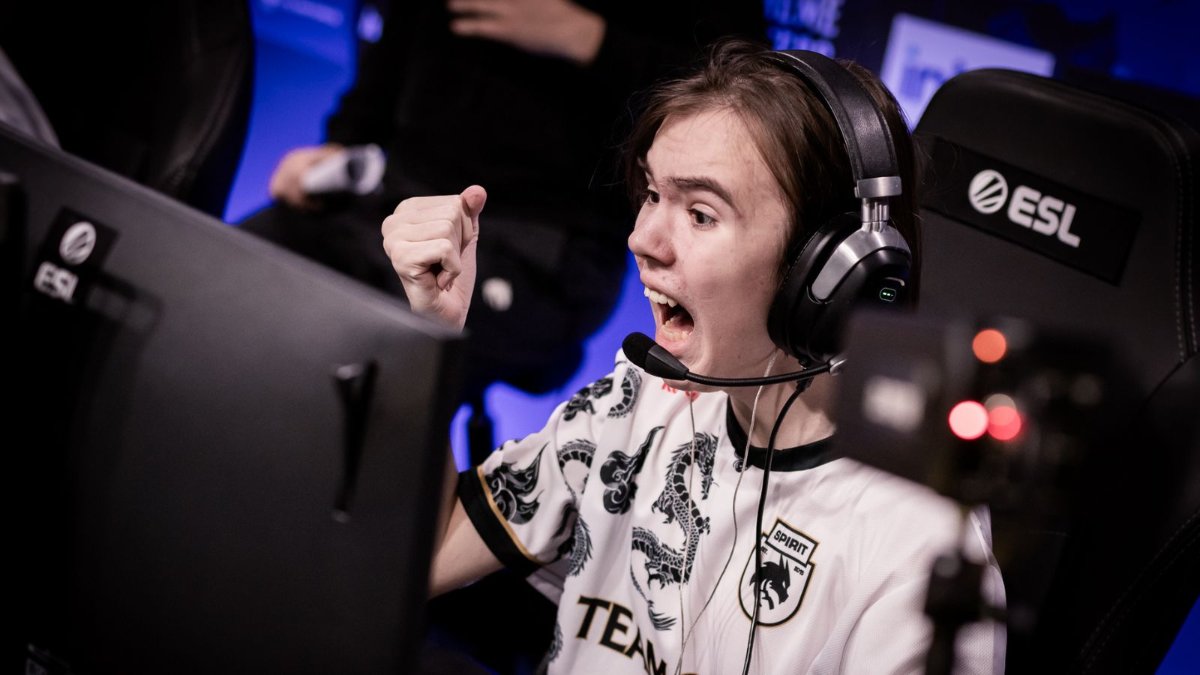
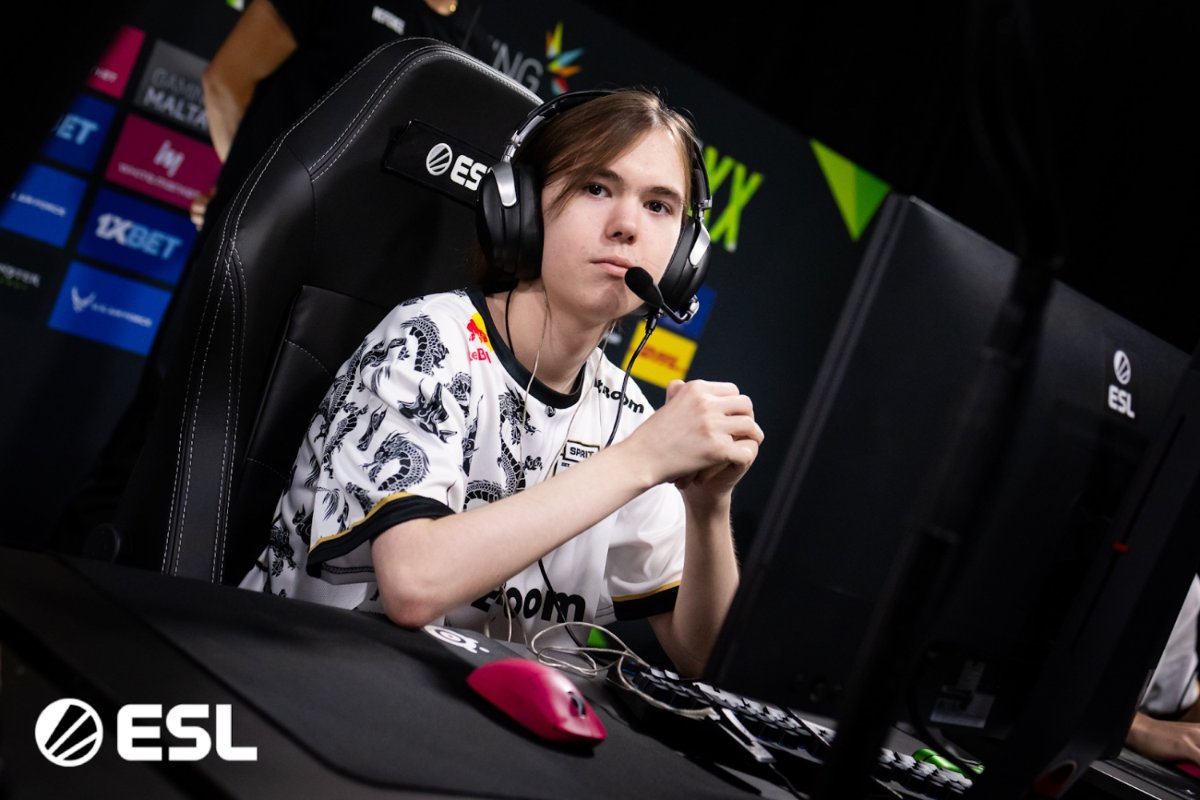
In a recent story highlighted by EscoreNews, Team Spirit’s management revealed how they first discovered and signed one of Counter-Strike’s most explosive young talents: donk.
What initially sounded like disbelief soon turned into a carefully planned development journey—and ultimately, the rise of a CS2 superstar.
First Impression: “This Can’t Be Real”
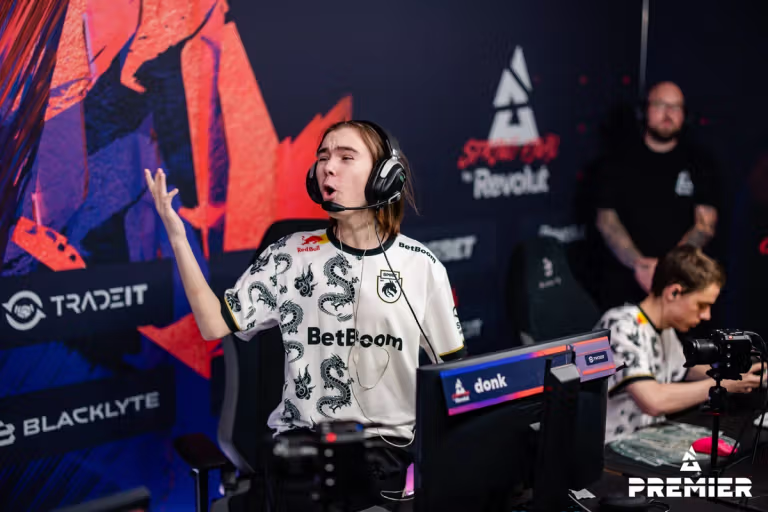
When Team Spirit staff first reviewed donk’s gameplay, the reaction was not admiration—it was suspicion.
“Either he’s cheating, or it’s a smurf. This can’t be some 12-year-old killing everyone.”
The mechanics, timing, and confidence looked unreal. The way he won duels and controlled rounds simply didn’t match what the coaches expected from someone so young.
Scouting the Talent: Demos, FACEIT, and Reality Checks
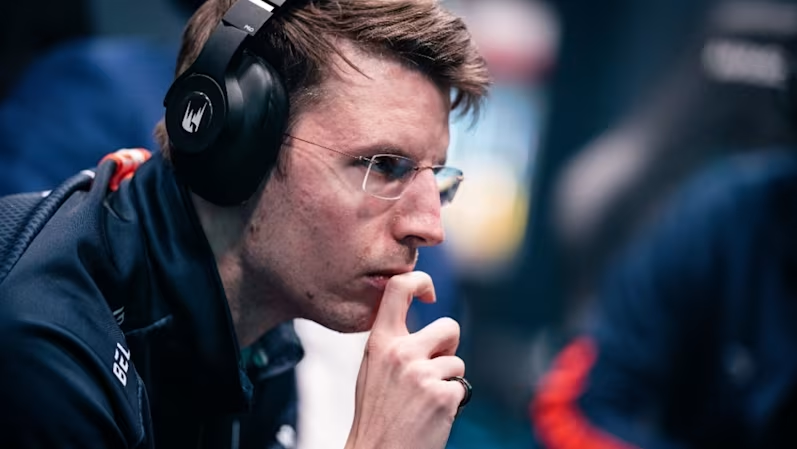
Spirit’s scouts didn’t rely on highlights alone. They reviewed full demos and FACEIT matches to understand whether the performance was sustainable.
What stood out immediately:
- Exceptional map awareness
- Fearless aggressive positioning
- Consistent duel wins against older, experienced players
At that point, the question was no longer “Is this real?”—it became “How far can this player go?”
An Unusual Signing Process: Talking to His Grandmother
Because donk was still a minor, Team Spirit could not negotiate directly with him at first.
Instead, the academy management held long discussions with his grandmother, who was responsible for approving the contract.
These conversations covered:
- Contract structure and conditions
- Long-term development plans
- Payments and logistics
It was an uncommon process in esports—but one that showed Spirit’s commitment to doing things properly.
Academy Years: Raw Talent, Controlled Environment

After joining Spirit’s academy system, donk didn’t immediately dominate scrims—not because of skill, but because of playstyle conflict.
Early challenges included:
- Extremely aggressive decisions
- Limited patience for structured play
- Resistance from older academy players
For a time, coaches intentionally limited his exposure, focusing on maturity and discipline rather than instant results.
Growth Phase: From Chaos to Control
As donk gained experience, Spirit gradually loosened restrictions.
Key development milestones:
- Around 1.5 years in the academy system
- Over 4,000 FACEIT matches played
- Improved structure without losing explosive impact
This balance—discipline combined with aggression—marked the turning point in his career.
Breakout Moment: Promotion to the Main Roster
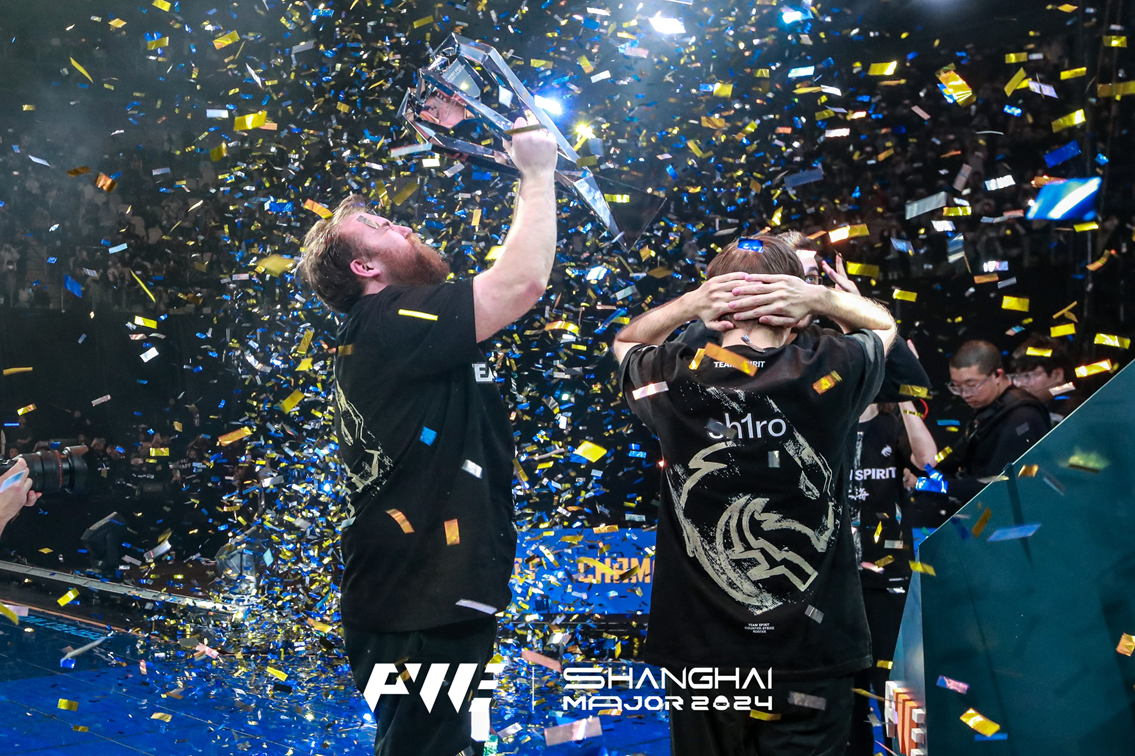
By late 2023, donk was ready. His promotion to Team Spirit’s main roster delivered immediate results:
- Strong debut performances
- A tournament victory
- An MVP award early in his top-tier run
Several professional players had predicted his rise long before it happened, confirming that Spirit had discovered something special.
Final Take: When Talent Looks Impossible, It’s Usually Real

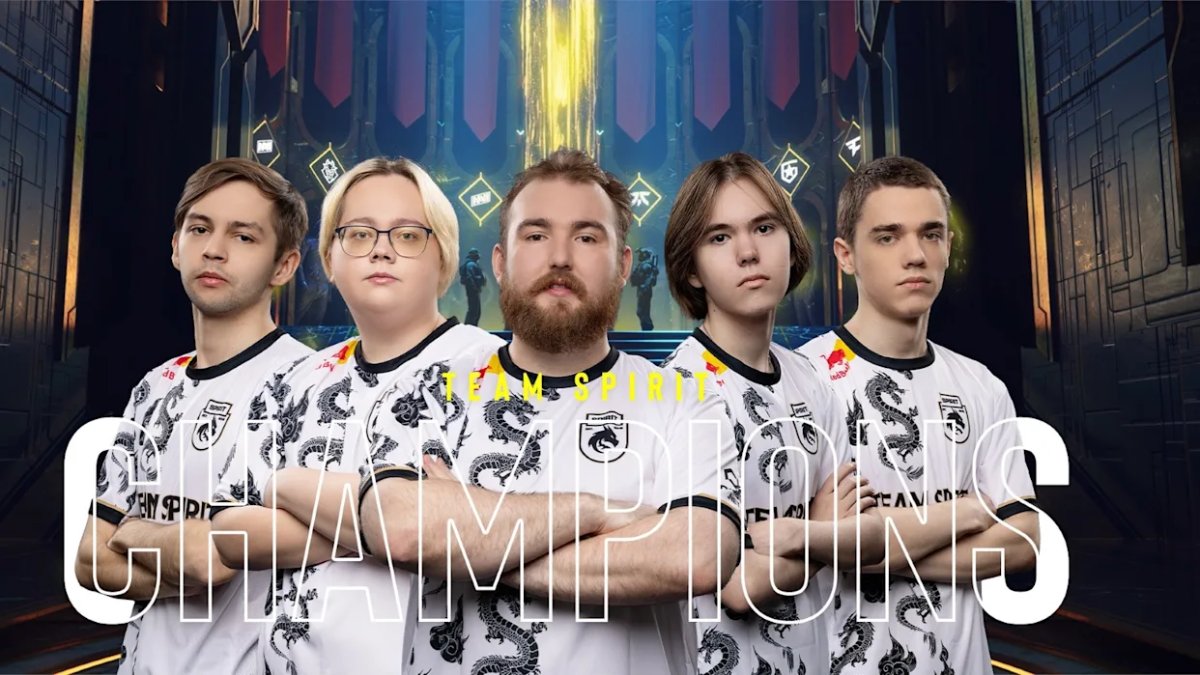
The story of donk is a perfect example of elite talent identification:
- Spot the outlier
- Verify the performance
- Build the right environment
- Be patient with development
What began as a joke—“cheating or smurf”—has become one of the most compelling growth stories in modern CS2.