Where to Sell CS2 Skins: A No-Nonsense Breakdown of Every Option
Where to Sell CS2 Skins: A No-Nonsense Breakdown of Every Option
CS2 skins stopped being "just pixels" a long time ago. Depending on who you ask, the global skin economy is worth somewhere around $6 billion, and a single well-chosen knife can now sell for more than a used car. That also means the way you sell — not just what you sell — determines how much of that value you actually keep. List a Factory New Karambit Doppler on the wrong channel and you could leave 15% or more of its value on the table. This guide walks through every realistic option, with the real numbers attached.
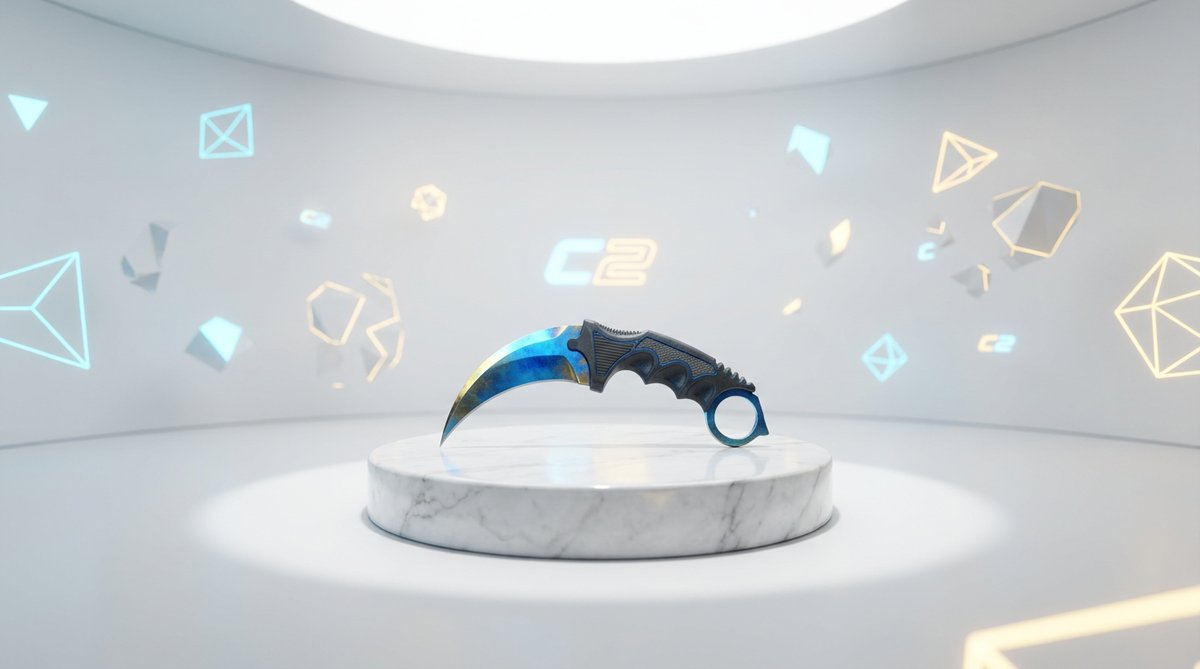
The Four Ways to Move a Skin
For most players there are exactly four realistic ways to turn a skin into cash or credit, and each one trades off speed against value. Understanding the menu up front is half the battle, because the "best" choice changes completely depending on whether you need money today or next week.
- Steam Community Market — the built-in marketplace, paid out in Steam Wallet funds only.
- Third-party marketplaces — sites like skinvs where you list items and get paid in real, withdrawable money.
- Instant cashout sites — you sell to a bot instantly and accept a bigger discount for the convenience.
- Direct trades — player-to-player, zero fees but zero protection.
That's the whole menu. The rest of this article is about which one fits your situation, and what the numbers actually look like on each channel.
Steam Community Market: Convenient, but 15% Evaporates
Steam's own market is where most people start, and for good reason — it's built into the client, it's instant, and there's essentially no risk of being scammed. The trade-off is the fee. Steam takes a flat 15% on every single sale: roughly 5% to Valve and 10% to the game developer. On a $2,000 Karambit Doppler, that's $300 gone before you see a cent.
The bigger catch is what you get paid in. Steam Market sales land in your Steam Wallet, not your bank account. You can use that balance to buy games, DLC, or other items, but you cannot withdraw it as cash. For players who want to actually cash out their skins, the Steam Market is a dead end — it's a store-credit system dressed up as a marketplace, not a payout system.
That doesn't make it useless. If your plan is to sell one skin and immediately buy another, or to fund your next game purchase, the 15% fee is simply the cost of doing business. But if you're selling because you want real money back in your pocket, keep reading — the next option is where the actual cash flows.
Third-Party Marketplaces: Where Real Money Flows
Third-party marketplaces are where the serious money moves. Platforms like skinvs let you list an item at a price you choose, and when it sells you get paid in actual currency — bank transfer, PayPal, or crypto, depending on the site. Fees here are generally lower than Steam's, typically in the 5% to 15% range depending on the platform and whether you're on the buying or selling side.
The real advantage is liquidity and price discovery. skinvs, for example, carries 26,584 items across skins, stickers, and cases, which means there's usually a realistic price point to anchor against instead of guessing. When you can see what similar items have actually sold for, you're far less likely to underprice a rare pull or overpay for a common one.
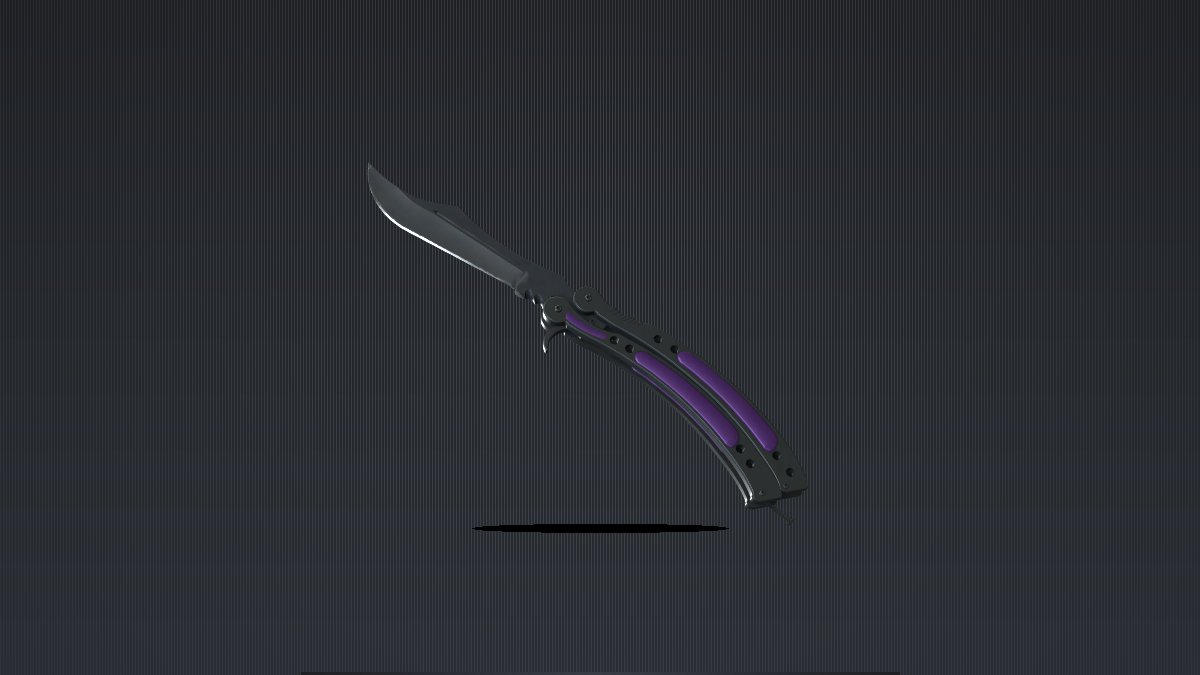
Here's the same Karambit Doppler math applied to a third-party listing. Put it up for $2,000 on a marketplace with a 10% fee and you net $1,800 in real, withdrawable money — $100 more than Steam's $1,700, and in a form you can actually spend outside the game. Across a full inventory of skins, that gap compounds into hundreds or thousands of dollars.
Instant Cashout: Speed Has a Price
If you need money today, instant cashout sites will buy your skin directly, often within minutes of listing. The catch is the discount. These services need a margin to stay in business, so they typically pay 20% to 40% below the market price of an item. That $2,000 Karambit might net you somewhere between $1,300 and $1,600 instantly.
This isn't a scam — it's a convenience fee, and it's priced exactly like one. You're selling speed. For a player who needs rent money this week or wants to dump a skin before a suspected price crash, taking a 30% haircut can be the rational move. But for anyone who can wait even a few days, it's almost always worth listing on a marketplace instead and pocketing the difference.
Direct Trades: Zero Fees, Maximum Risk
Trading skin-for-skin or skin-for-cash directly with another player costs nothing in fees. But "free" comes with serious risk. The CS2 community is full of chargeback scams, fake middlemen, and swapped-item tricks where a supposedly "trusted trader" quietly replaces your knife with a lookalike worth a tenth as much.
The general rule is simple: direct trades are fine between people you already know and trust, or for low-value items where losing $20 isn't the end of the world. For anything worth real money — a knife, a pair of high-tier gloves, a rare sticker — the protection a marketplace provides is worth every cent of the fee.
What Moves a Skin's Price (Before You List)
No matter which channel you pick, you need a realistic number to list at, and that means understanding the four levers that move a skin's price: float, pattern, StatTrak, and stickers. Float is wear — a Factory New item with a float near 0.00 sells for a premium over the same skin in Field-Tested condition, sometimes 30% or more. Pattern matters on knives and Case Hardened items, where a rare "blue gem" or clean doppler phase can double or triple the value.
StatTrak versions, which count kills, usually cost more than their non-StatTrak twins. And applied stickers add value only if they're rare — a few Katowice 2014 Holos on the right skin can add more than the weapon itself is worth, while a common sticker is worth essentially nothing. Checking these details against comparable listings before you commit to a price is the difference between selling in hours and sitting unsold for weeks.
How to Choose Without Leaving Money on the Table
The decision really comes down to three questions, and they're worth asking in order:
- How fast do you need the money? Minutes → instant cashout. A few days → a marketplace.
- Do you need cash or credit? Cash → third-party site. Credit toward Steam purchases → Steam Market.
- How much is the item worth? Over a few hundred dollars, the fee difference is too big to ignore — go third-party.
As a rule of thumb: if the item is worth real money and you can wait even a couple of days, a third-party marketplace beats both Steam's trapped wallet and instant cashout's heavy discount. The 15% you avoid on Steam and the 20-40% you avoid on instant sites add up fast across a whole inventory.
Whichever route you pick, the first step is knowing what your skins are actually worth right now. You can browse live listings and current prices across thousands of items on the skinvs marketplace, and if you're looking to pick up a high-value item rather than sell one, a case like Phantom Cache is a reasonable place to start. Sell smart — the difference between channels is often a couple hundred dollars on a single knife, and that's money you shouldn't be leaving on the table.