Is the CS2 Skin Market Finally Recovering? The Numbers Behind the 2026 Comeback

Is the CS2 Skin Market Finally Recovering? The Numbers Behind the 2026 Comeback
On October 22, 2025, the CS2 skin economy lost roughly $3 billion in market capitalization within 48 hours. Knife prices dropped 60%. Glove collections that were worth thousands became worth hundreds. Entire inventories were liquidated in panic. For an economy that had been climbing steadily for years, it was the equivalent of a flash crash — and nobody saw it coming.
Eight months later, the numbers tell a different story. Market cap has climbed back above $5 billion. Trading volume across all major P2P platforms is up year-over-year. And a new generation of investors is entering the space with smarter strategies than their predecessors. But is the recovery real, or just a dead cat bounce? Let's look at the data.
What Triggered the Crash
The October 2025 crash wasn't random. Valve released a trade-up contract update that allowed players to trade up 10 Covert skins into a random Knife or Glove of the same collection. This fundamentally broke the scarcity model that had supported knife and glove prices for over a decade.
Before the update, every knife in circulation came from a case opening. The supply was limited by key costs, case availability, and the ~0.26% knife drop rate. After the update, anyone sitting on 10 Covert skins could manufacture a knife. The supply shock was immediate — and brutal.
Within the first week, knife and glove prices dropped up to 60% from their pre-update highs. Market capitalization cratered from roughly $6 billion to $3 billion. Forum threads filled with panic. Some longtime investors liquidated everything and walked away.
The Recovery: By the Numbers
The rebound started almost immediately. According to market data from Rewardly.gg and multiple trading platforms, market capitalization climbed from $3 billion back to $4.7 billion within days of the trough. By early 2026, it had pushed past the $5 billion mark — roughly 75-80% of pre-crash levels.
Here's what the recovery looked like in numbers:
- October 24, 2025: Market cap ~$3.0B (trough)
- October 28, 2025: Market cap ~$4.7B (initial rebound)
- January 2026: Market cap ~$5.1B (steady climb)
- June 2026: Market cap ~$5.0-5.5B (stabilized range)
Knife and glove prices have largely regained their original values after the initial bubble burst, according to multiple price tracking platforms. The panic selling phase lasted roughly two weeks before buyers recognized the discount and stepped in.
What Changed Structurally
The October crash didn't just shake prices — it reshuffled who holds what. The trade-up update democratized knife ownership. Players who could never afford a $400 Karambit suddenly had a path to knife ownership through trade-ups. This expanded the player base for premium items, which paradoxically supported the recovery.
Several structural shifts emerged from the data:
Float value premiums are expanding. As more knives enter circulation through trade-ups, Factory New and low-float items command larger premiums. A Factory New Butterfly Knife with a 0.01 float now trades at a 15-25% premium over one with a 0.05 float — up from 5-10% pre-crash.
P2P trading infrastructure is maturing. The market recovery has been supported by a shift away from Steam Market trading toward peer-to-peer platforms. P2P volume now accounts for over 60% of high-value skin trades, up from roughly 40% in early 2025.
Legacy items are outperforming. Discontinued cases, souvenir packages from retired Majors, and skins from removed collections have shown the strongest price recovery. The CS:GO Weapon Case 1, for example, has climbed from a post-crash low of $60 to over $95 in June 2026 — a 58% recovery.
What Buyers and Sellers Should Know
If you're holding skins, the worst is behind you. Prices have stabilized in a range that's roughly 75-80% of pre-crash peaks. The panic sellers are gone. What remains is a market that's more liquid, more accessible, and arguably healthier than the pre-crash era.
For buyers, the opportunity window isn't as wide as it was in November 2025 — but it hasn't closed entirely. Prices for mid-tier knives in the $200-500 range remain 10-20% below their all-time highs, especially for less popular patterns and finishes. Doppler phases that were $450 pre-crash are sitting around $380-400. Tiger Tooths that topped out at $320 are trading at $260-280. If you've been eyeing a specific knife, these discounts won't last forever.
For sellers, patience is key. The market is climbing, but slowly. Listing at fair market value and waiting for the right buyer will net you more than panic-selling into a bid that's 15% below market. The volume is there — P2P platforms are seeing record monthly trade volumes in 2026.
The broader CS2 player base continues to grow year-over-year, which is the fundamental driver of long-term skin value. As long as people are playing Counter-Strike 2, skins will have buyers. The October 2025 crash was a supply shock — not a demand collapse.
If you're looking to test the waters yourself, case opening remains the most direct entry point. While the average return sits at 50-85% of your spend, the thrill of hitting a rare knife or glove keeps millions of players coming back. Try the Phantom Cache case for a shot at premium skins with above-average odds.
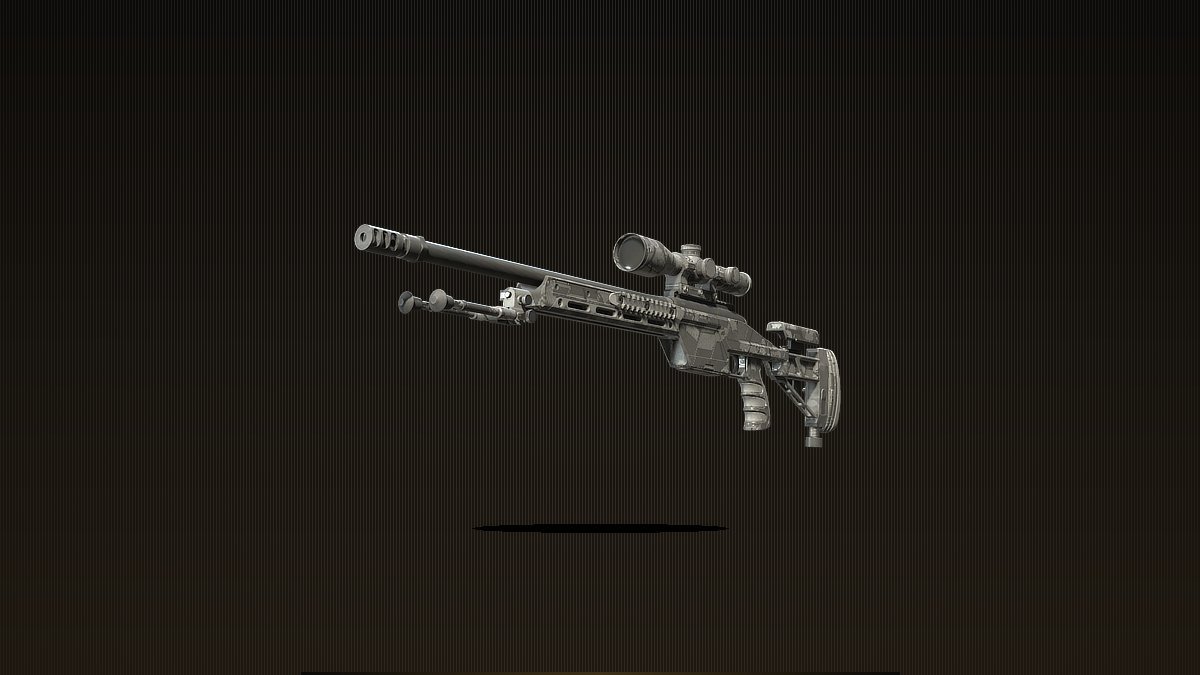
Featured: SSG 08 | Sans Comic — one of many skins that saw significant price movement during the recovery period. Always check current market prices before buying or selling.
Quick Questions
Did the CS2 skin market fully recover? Not fully — market cap sits at roughly 75-80% of pre-crash levels. However, trading volume and liquidity have surpassed pre-crash numbers, and the recovery trend is positive.
Are knife prices still dropping? No. Knife and glove prices stabilized by November 2025 and have been range-bound since early 2026. Some premium patterns are actually up from their post-crash lows.
Is now a good time to invest? For mid-tier items, prices remain 10-20% below all-time highs. If you believe in the long-term health of CS2 as a growing game, current prices represent a reasonable entry point — but no investment is guaranteed.