109,232 Bans in One Season: Inside CS2's Two-Front War on Cheaters

109,232 Bans in One Season: Inside CS2's Two-Front War on Cheaters
109,232. That's how many accounts FACEIT says it banned during CS2 Season 8 — a number that landed in a report on August 16, 2026, and one that tells you everything about how seriously competitive Counter-Strike is taking its cheating problem right now.
But the bans are only half the story. On the same weekend, a separate FACEIT report revealed that 1.2 million players had their ELO restored from matches that were overturned after cheaters got caught. One platform, two massive numbers, and a single question: which approach to fighting cheaters actually works — and what does it mean for the rest of us?
CS2 is now fighting its cheating war on two fronts at once, with Valve and FACEIT taking very different paths to the same goal. Here's how they stack up.
Why Now: The Anti-Cheat Escalation
To understand why these numbers are landing all at once, you have to rewind a little. Valve's community review system, Overwatch, was quietly retired years ago and left the game's cheating problem to fester. VACNet, the machine-learning successor, ran in the background for a long time without much public fanfare.
That changed in August 2026. Valve brought Overwatch back — this time explicitly as a tool whose human judgments would feed back into VACNet and make the AI smarter at spotting cheaters. Around the same time, a new VACNet labeling portal gave players a direct window into flagged replays. The message was clear: Valve was done treating anti-cheat as a background chore and was turning it into a coordinated, visible campaign.
FACEIT, for its part, has never stopped swinging. The third-party platform has run its own kernel-level anti-cheat for years, and Season 8's 109,232 bans are the latest proof that it isn't slowing down. What we're seeing now is the rare moment when both fronts are advancing at the same time — and the results are worth studying.
Round 1: The Numbers
Let's put the two systems side by side. FACEIT runs a mandatory client-side anti-cheat that scans your machine the moment you queue up. The result in Season 8 was brutal and precise: 109,232 banned accounts — a figure that would fill a mid-sized stadium.
But here's the number that matters even more: 1.2 million players got their ELO back. Every one of those restored points came from a match where a cheater was caught after the fact — meaning the system didn't just remove cheaters, it clawed back the damage they did to everyone else's rank. That's the difference between a ban wave and actual accountability, and it's why FACEIT's approach resonates with competitive players who've watched their rank bleed away to cheaters.
Valve, meanwhile, has been rebuilding its own detection from the ground up. The company's VACNet machine-learning system returned to the spotlight in early August, alongside the resurrected Overwatch program. Valve doesn't publish a clean "bans this season" number the way FACEIT does, which makes a head-to-head comparison messy — but the scale of Valve's operation is arguably larger, because it has to protect every single matchmaking server, not just the competitive tier.
Round 2: The Approach
The philosophical gap between the two systems is the interesting part. Valve's VACNet is an AI-first, human-assisted system: the model flags suspicious behavior at scale, and the revived Overwatch program turns community reviewers into a training loop that makes the AI sharper over time.
The trade-off is speed versus certainty. AI can scan millions of matches simultaneously — something no human team could ever do — but it's conservative by design. False positives are expensive in a game where a wrongly banned player can lose thousands of dollars of inventory, so VACNet tends to wait for overwhelming evidence before acting. That keeps innocent players safe but lets some cheaters linger longer in the meantime.
FACEIT takes the opposite approach: client-first, evidence-optional. Its anti-cheat sits at the kernel level and inspects the machine itself, not just the match. The result is fewer false positives and faster, harder bans — 109,232 of them in a single season — but at a real cost: you have to install and trust a deep-level kernel driver, and not everyone is comfortable handing over that much access to a third party.
Round 3: Why Your Inventory Cares
If you don't play on FACEIT and don't care about your matchmaking rank, you might wonder why any of this matters to your skin collection. It matters more than you'd think, because cheaters and skin markets are tangled together in ways that are easy to miss.
First, the account ban wave hits the trading economy directly. Banned accounts don't simply vanish — many of them held inventories. When a wave of 109,232 accounts gets nuked, some of those skins get frozen or flagged, and the market feels a small but real shock as that inventory is pulled out of circulation.
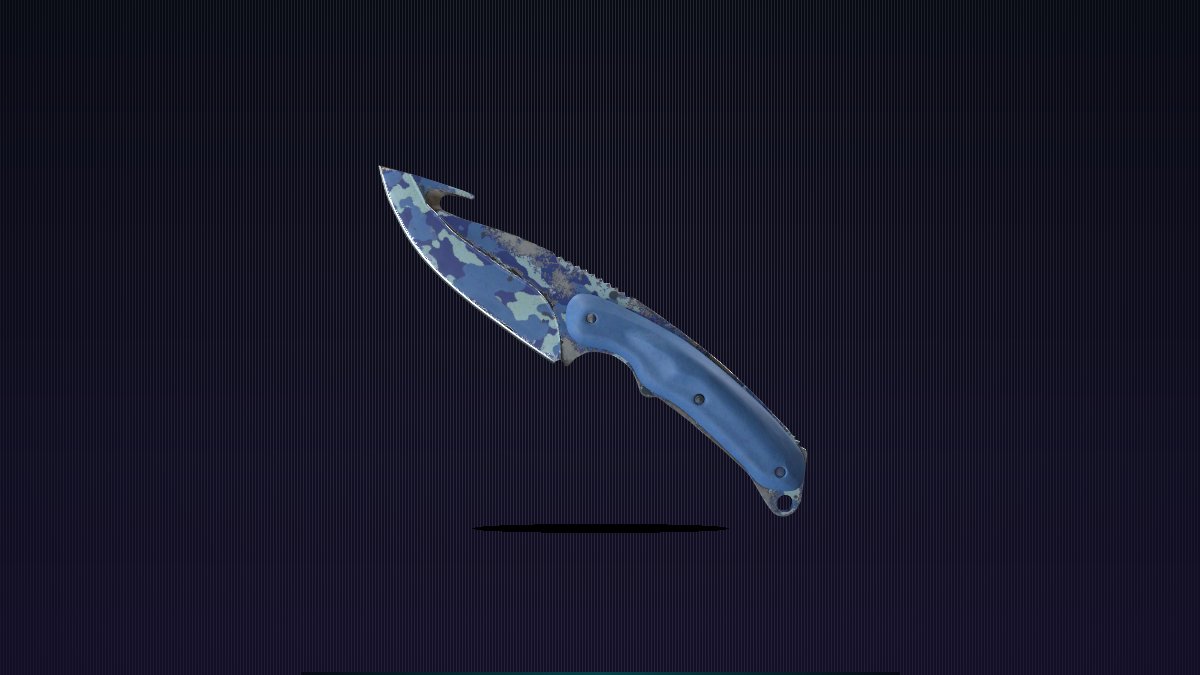
Second, the same anti-cheat pressure that's cleaning up competitive play is also squeezing the bot farms that open cases at industrial scale. The Chinese case farmers who paused their operations in mid-August did so partly because of VACNet's expansion. Fewer bots means fewer cases being churned through — and over time, that reshapes the supply of the very skins you might be holding right now.
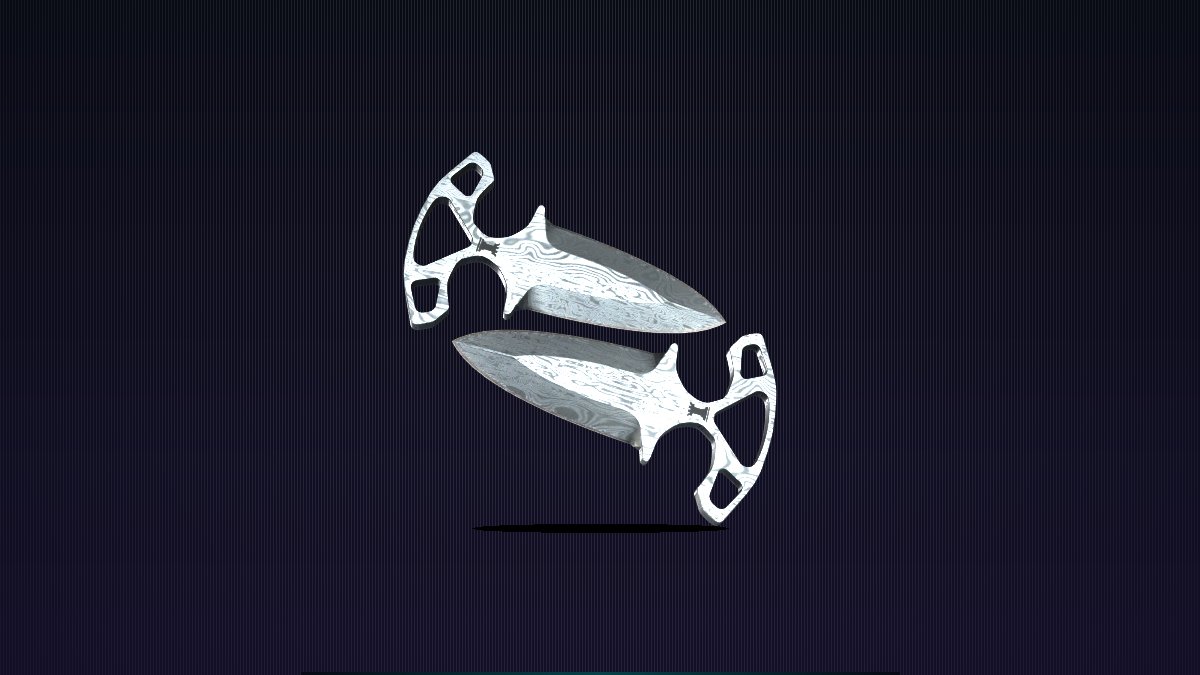
Third, and most importantly, a game that visibly wins its war on cheaters is a game people keep playing and paying into. The skin economy floats on top of player trust. Every high-profile ban wave that actually restores fairness is a deposit into that trust — and trust, in the long run, is what keeps skin prices from collapsing. A cheater-filled lobby is bad for the game, but a clean one is quietly bullish for the market.
The Verdict
So which approach is better? The honest answer is that they're complementary, not competing. Valve's VACNet plus Overwatch is built to protect the massive, free, matchmaking-level player base where most of the game actually happens. FACEIT's client-side anti-cheat is built to protect the high-stakes competitive tier where a single cheater can wreck a tournament or a ranked grind.
The 1.2 million ELO restorations are the proof that FACEIT's model works where it's applied — that level of retroactive accountability is something matchmaking players can only dream of. And VACNet's AI-plus-Overwatch rebuild is the bet that Valve can bring that same accountability to everyone else, at a scale no client-side system could ever reach.
For players, this is genuinely good news, even if it doesn't feel like it when you read about a hundred thousand bans. A cleaner game is a healthier market. The cheaters and the bot farms that leech off both the rankings and the skin economy are finally facing real, coordinated pressure from two directions at once — and the long-term winners will be the honest players who stuck around.
If you want to see what a healthier CS2 economy actually looks like in practice, the case market is the clearest window into it. Check out Fan Favorite to see how today's pull rates and prices are settling, or browse Silent Form for a look at where the rarer end of the market is heading. The anti-cheat war is still being fought — but the smart money is already betting on the game that's winning it.