CS2 Skin Market Recovery: Inside the .69 Billion Economy

CS2 Skin Market Recovery: Inside the $6.69 Billion Economy
It's 2 AM in Shanghai. A trader named Wei stares at three monitors, each showing different CS2 skin platforms. His portfolio hit $12,000 underwater during the March crash. Tonight, for the first time in months, every position is green.
Wei's story isn't unique. The CS2 skin economy — which crashed below $4.5 billion in total market capitalization earlier this year — has quietly climbed back. The latest data puts the total market at roughly $6.69 billion, a recovery of nearly 50% from the trough. This isn't a dead cat bounce. The fundamentals are shifting.
The Crash: What Actually Happened
To understand the recovery, you have to understand what caused the crash — and what didn't. In early 2026, three forces converged on the skin market simultaneously.
First, the post-holiday sell-off. Every January, players liquidate skins they received as gifts or bought during Steam's Winter Sale. 2026's sell-off was deeper than usual because the 2025 holiday season had been unusually active — more skins bought meant more skins to sell. Second, a series of ban waves targeting trade-bot accounts spooked casual investors who worried their inventories might be next. Third, and perhaps most importantly, a broad risk-off rotation across digital assets dragged skin prices down alongside crypto and NFTs.
But here's what didn't happen: the player base didn't shrink. CS2's monthly active users actually grew in the first half of 2026, crossing the 30 million mark for the first time. The crash was a sentiment event, not a demand event. Smart money recognized this, and accumulation began while casual sellers were still panicking.
Knives: The Recovery's Anchor
If you want to understand where the skin market is going, watch knives. They're the rarest items in the game — roughly 1 in 400 case openings — making their supply growth the slowest of any item category. When knife prices stabilize, it signals that the smartest money has stopped selling.
During the crash, a Butterfly Knife | Fade dropped from approximately $1,200 to $800. Today it's back around $1,050 — not fully recovered, but the direction is clear. The same pattern holds across the knife category: Karambits, M9 Bayonets, and Skeleton Knives have all reclaimed 60-80% of their pre-crash value.
This matters because knives function as the market's store of value. When knife prices are rising, it means collectors and long-term holders — not just flippers — are buying. That's the kind of demand that sustains recoveries rather than just front-running them.
Covert Rifles and the Trade-Up Floor
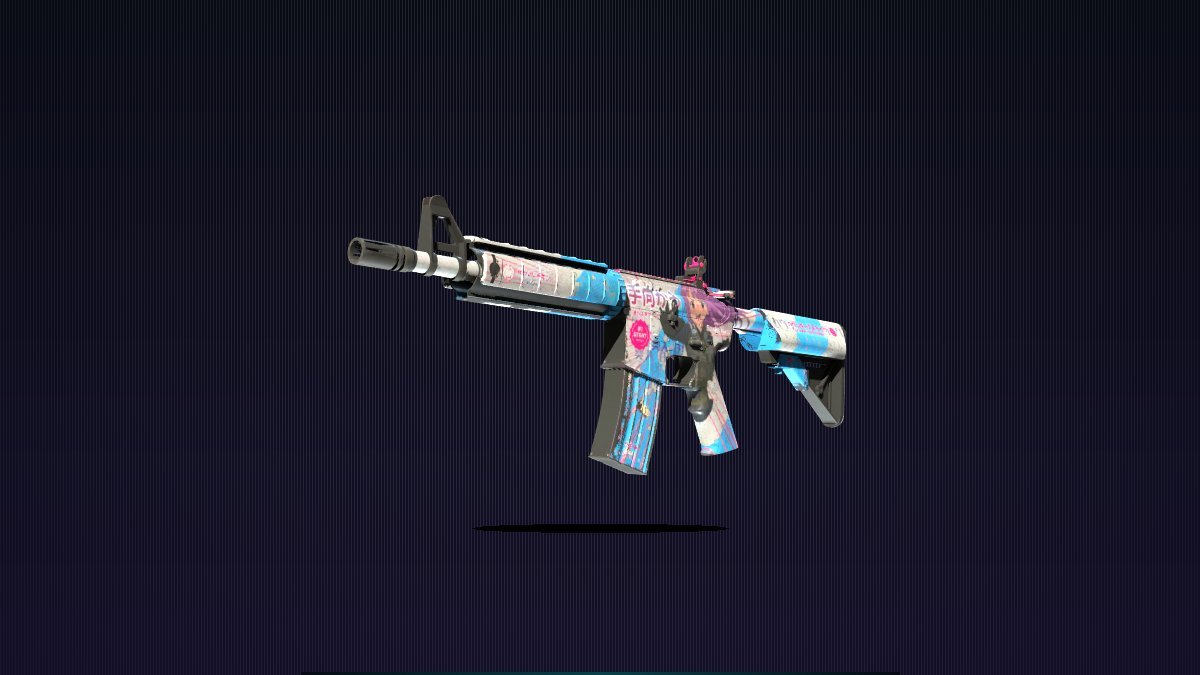
The second engine of recovery is the Covert rifle segment — specifically AK-47s, M4 variants, and AWPs. These items benefit from a unique pricing mechanism that doesn't exist in traditional markets: the trade-up contract.
A trade-up consumes 10 lower-tier skins to produce one higher-tier skin. When Covert prices drop too low, the math flips — it becomes profitable to buy 10 Classified skins, trade them up, and sell the resulting Covert for more than the input cost. Arbitrage traders swarm in, consuming the excess supply and creating a natural price floor.
This floor has held through every CS2 market downturn. During the 2026 crash, AK-47 | Asiimov (Minimal Wear) bottomed around $35 — the exact point where trade-ups from lower-tier AK skins stopped being profitable. Today it's back above $50, showing that the floor held and buying pressure has returned.
The Cologne 2026 Major Effect
Every CS2 Major acts as a liquidity injection into the skin ecosystem. IEM Cologne 2026, held in June, drew over 1.5 million concurrent viewers on championship Sunday. Each of those viewers is a potential skin buyer — someone who just watched pros use rare skins and wants one for themselves.
Major sticker sales add direct capital. When millions of players spend $5-15 on team stickers and viewer passes, that money enters the Steam ecosystem and some of it inevitably flows into skins. Data from previous Majors suggests trading volume increases 15-25% during Major months compared to non-Major months.
The July 1 addition of Team Falcons Championship Stickers and Cologne 2026 Highlight Charms extends this effect. New items keep the market active and give traders fresh targets, prolonging the post-Major activity window.
Supply Constraints: The Quiet Tailwind
Behind the recovery headlines, a structural supply constraint is tightening. Valve's case rotation system has moved several popular cases to the rare drop pool, reducing their weekly supply. The Armory pass rotation — which just removed AK-47 | Aphrodite on July 1 — further constrains new skin supply.
Meanwhile, trade-up contracts continue their slow grind, removing 10 lower-tier skins from circulation for every one higher-tier skin created. Over six months, this "deflation by crafting" can remove tens of thousands of skins from the active supply. It's a small effect in any given week — but compound it over a year, and the numbers become meaningful.
The Bigger Picture: Why $6.69 Billion Matters
The CS2 skin economy at $6.69 billion is larger than the GDP of several small countries. To put that in perspective: it's roughly three times the size of the global physical trading card market and rivals the market capitalization of mid-cap publicly traded companies. This isn't a niche hobby — it's a legitimate asset class with institutional-grade infrastructure.
Marketplaces like skinvs, SkinBaron, and Buff163 now process millions of transactions per month. Third-party payment processors handle deposits and withdrawals in dozens of currencies. Price tracking APIs and portfolio management tools have emerged to serve professional traders. The market is maturing, and with maturity comes stability — the kind of stability that makes the $4.5 billion crash look more like a buying opportunity than a systemic failure.
What Comes Next
The $6.69 billion recovery isn't guaranteed to continue — no market moves in a straight line. But the signals are better than they've been all year. Player count is growing. Supply is tightening. The Major cycle is injecting fresh interest. And knife prices — the market's most reliable leading indicator — are pointing up.
For anyone watching from the sidelines, the signal is clear: the crash created value, and the recovery is validating the buyers who recognized it. If you're looking for entry points right now, the Fan Favorite case offers a community-curated pool of popular skins at reasonable prices — a practical way to start or grow a CS2 collection. Track live prices and compare deals across all weapon types on the skinvs marketplace.