Four Teams Can't Use Their Own Names in Singapore. Their Stickers Are a One-Off.
Four Teams Can't Use Their Own Names in Singapore. Their Stickers Are a One-Off.
On November 9, PGL published the full 32-team field for PGL Major Singapore. Four of those teams appear under names they have never played a Counter-Strike Major under. BC.Game is GOSH. 1win is THE ONE. BetBoom is BB Team. PARIVISION is PVISION.
The reason is not a rebrand. Singapore's Gambling Control Act 2022 bans advertising for gambling services that are not licensed in the country, and those four organisations carry betting brands in their names. The same four teams already did this at The International 2026. In Singapore, they do it again, and this time the workaround touches an item economy.
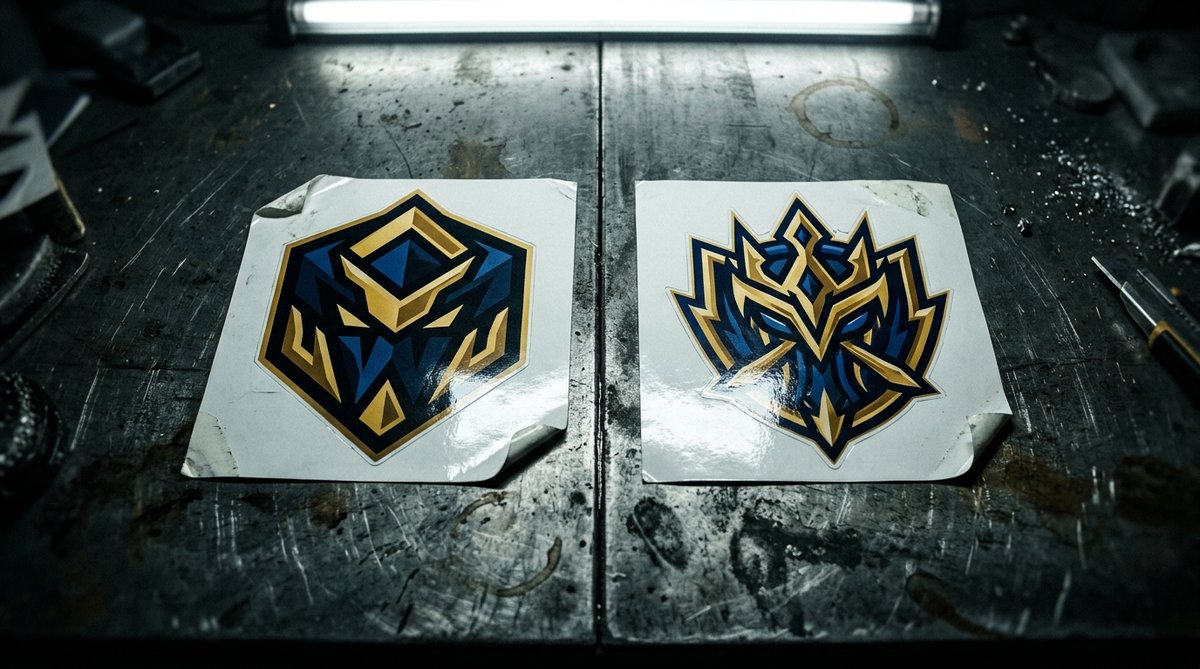
Every team at a Major gets a sticker. Reports say these four will use their substitute names and logos for Singapore. Valve has not shown the sticker lineup yet, so treat that as likely rather than confirmed. If it lands the way everyone expects, the GOSH, THE ONE, BB Team and PVISION stickers become designs that exist for exactly one event and never appear again.
That sounds like a collectible story. It mostly isn't, and the reason is the system those stickers are being sold into.
What Singapore Actually Is
The event runs November 24 to December 13, 2026, with playoffs at the Singapore Indoor Stadium on December 10 to 13. Thirty-two teams, a $1,250,000 prize pool, best-of-five grand final. It is the first CS2 Major held in Southeast Asia and the second of 2026, after IEM Cologne in June, which Team Falcons won.
The field was locked off Valve's regional standings as of November 2, and PGL unveiled it a week later. Stage 1 starts with sixteen teams; eight advance to meet eight direct invites in Stage 2; eight more join in Stage 3; the top eight reach the playoffs.
Here is the part that matters for anyone holding inventory: this is the second Major under the new sticker rules, and the first one where the design itself can be a legal artifact rather than a team logo.
Timing is the other unknown. Under the old capsule model, Major stickers landed 24 to 48 hours before the first match, with the Champions autograph capsule arriving on grand final day. Valve has not confirmed a release date for Singapore, and by late October it was already collecting player autographs, which is usually the step that happens after the lineup is locked. If the shop opens early, the first 48 hours will be the only window where a substitute-name design trades without a settled price.
The System Those Stickers Land In
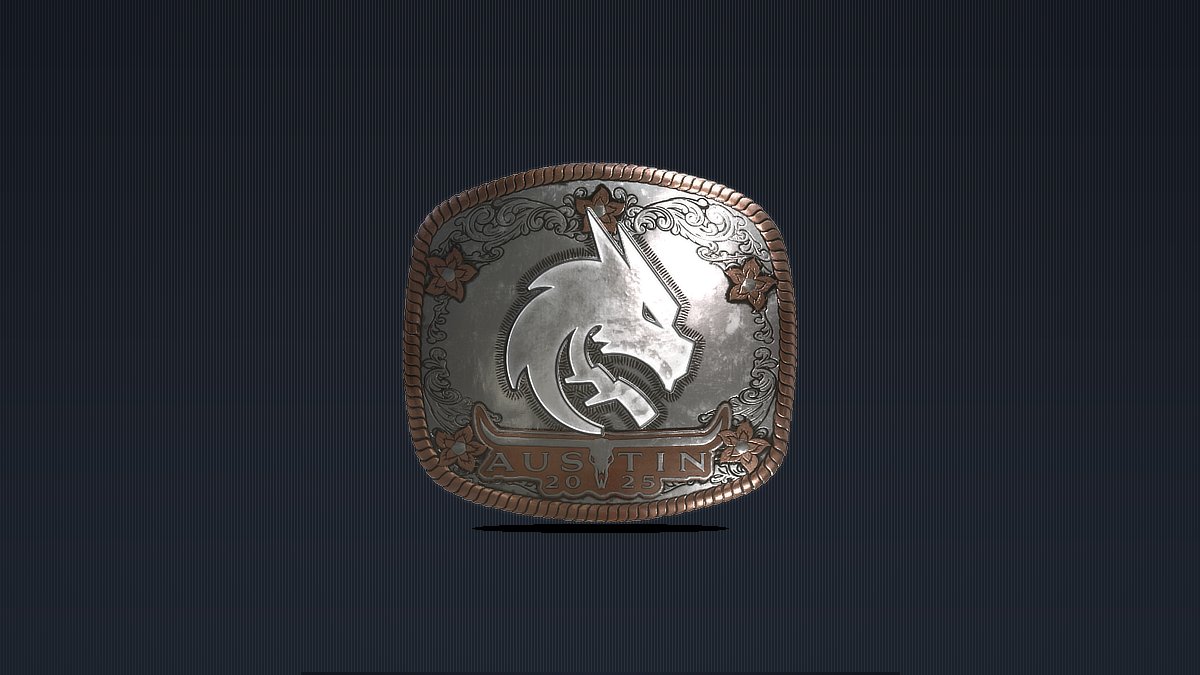
Since IEM Cologne 2026, Valve does not sell sticker capsules. Every team sticker and every player autograph is bought directly in the in-game Major Shop using tokens, and prices move with demand. Four finishes exist: Paper, Holo, Foil and Gold. If a sticker you bought drops by 25 tokens or more within 24 hours, you get the difference back in tokens a week later. Pick'Em coin upgrades paid out 300 tokens each.
The Cologne price ladder is the only real benchmark we have for what this system produces. A Team Spirit gold sticker settled around $364.55. A Falcons gold sat at $268.70, the same team's Holo at $55.80, and its plain Paper sticker at $1.08. For comparison, the last capsule Valve ever sold for a Major, the Budapest 2025 Legends capsule, now trades around $0.12.
Read that spread again. The gap between a gold and a paper sticker from the same team is roughly 250x. The gap between a paper sticker and a dead capsule is noise. In one system, the finish is the product. In the other, the container was the product and the contents were an afterthought.
Why "One-Off" Is Not the Same as "Rare"
My position is blunt: the four substitute-name stickers are the most interesting designs of the event and probably the worst thing to buy as an investment.
The old CS2 sticker moonshots rested on two mechanics that no longer exist. First, fixed print: capsules left the store and the total supply was capped forever. Second, slow destruction: players applied stickers to guns, and every application permanently removed copies from the tradeable pool. Katowice 2014 stickers are worth their current prices because both mechanics ran for a decade on a small print run.
A token shop breaks the first mechanic completely. Supply is not a print run, it is a price. Valve can keep selling a sticker for as long as anyone is willing to pay the current token price. There is no sellout, no shelf that empties. A one-off design in that system is a one-off design, not a one-off quantity.
What survives is the second mechanic. Applied stickers still leave the pool. That means the only durable scarcity in the Singapore lineup is the same scarcity that has always worked: gold finishes on popular teams, and copies that get stuck to a weapon and stop being inventory.
The Case for the Other Side
There is a real bull argument, and it is narrower than the hype suggests.
Four rosters playing under borrowed names is a genuine oddity. If BB Team returns to BetBoom branding in 2027 the way these organisations normally do, the Singapore sticker is the only mass-market artifact of the legal workaround, and collectors of organisational trivia do pay for that kind of thing. Cologne also showed Valve is willing to intervene when the system underperforms: sticker revenue dropped enough under the shop model that Valve shipped a second batch of designs mid-event. A company that responsive could also cap supply on a special-edition sticker.
Weigh that against the bear case. Valve has not announced anything special about Singapore stickers. The lineup is not even public. And the shop's dynamic pricing is explicitly a demand-following mechanism, which means the market finds its level fast and rarely overshoots for long. A sticker whose only story is "the logo was different for eleven days" has to out-argue a price chart that resets daily.
There is also an execution risk nobody prices: if Valve decides the four teams' substitute branding is a tournament-item technicality and prints the normal logos anyway, the entire thesis evaporates. That is not a small tail.
What I Would Actually Do
Three rules, in order of how confident I am.
Buy autographs, not team logos. The player signature stickers carry the same event-bound novelty with a much smaller supply of interested buyers per design, and autographs are the item that historically holds value after a roster disbands. A team logo gets reprinted. A player's Singapore autograph does not follow him to the next org.
If you want the logos, buy them applied. A sticker on a gun is a sticker that can never be sold again by anyone else. That is the only supply reduction the shop model cannot undo.
Skip the Paper tier entirely. At Cologne, the paper sticker from a top-tier team cleared at $1.08. Paying a novelty premium for a paper sticker in a system that can mint more of them at will is the worst risk-reward on the board.
And if the whole sticker market feels like homework, the simpler trade is the one that always works: buy the skin you want to actually use. Our CS2 skin marketplace lists live prices on knives, gloves, rifles and stickers, so you can compare a $364 sticker against a knife you would keep for years before committing a token.
The Singapore Major will produce a handful of genuinely unique designs. It will not produce a shortage. Those are different things, and the market has spent two years proving it.