The Cologne 2026 Sticker Shop: How Valve's New Price Tracking Changes Everything

The Cologne 2026 Sticker Shop: How Valve's New Price Tracking Changes Everything
On June 11, 2026, Valve shipped a small update that barely made headlines. Two bullet points under "[COLOGNE 2026]." No fanfare, no blog post. But for anyone who trades CS2 stickers — it changes the game entirely.
The update added 7-day price range tracking to every sticker in the Cologne 2026 Major Shop. Now, instead of guessing whether a sticker is fairly priced, you see the exact lowest and highest price it sold for in the last week. Right there in the game client. No third-party tools. No alt-tabbing to Steam Market.
Before: The Blind Sticker Market
Sticker trading in CS2 has always been a niche that rewards deep knowledge. Unlike weapon skins — where you can open Steam Market and instantly see prices — stickers require constant monitoring across multiple platforms. Prices shift fast during Majors, and casual buyers routinely overpay by 30-50% simply because they don't know the going rate.
Before June 11, the Cologne 2026 Shop was a beautifully designed storefront with a critical flaw: zero pricing context. You saw a sticker, you saw its design, and you saw a "Purchase" button. That was it. Whether that sticker was at its all-time high or its weekly low was anyone's guess.
This information asymmetry created two classes of sticker buyers: the informed (who tracked prices on external sites like SteamAnalyst and CSGOSKINS.GG) and everyone else. The gap between them was often $5-10 per sticker — pocket change individually, but multiply by the hundreds of stickers traded during a Major and you're looking at a multi-million dollar efficiency problem.
After: Transparent Pricing, Built In
The June 11 update transforms the Cologne 2026 Shop from a blind storefront into the most transparent sticker marketplace CS2 has ever had. Every sticker now displays its 7-day price range, giving every buyer — from first-time viewers to seasoned traders — the same baseline information.
Combined with the sticker bookmarking feature added on May 29, the shopping experience now resembles a modern e-commerce platform more than a mystery box. You can bookmark stickers you're interested in, track their price ranges over the tournament, and make informed decisions about when to buy.
This matters because sticker prices during a Major are famously volatile. A team sticker can triple in price after an upset victory, then crash 60% if they get eliminated in the next round. The 7-day window captures exactly these tournament-cycle swings, giving buyers the most relevant possible data.
The Ripple Effects: What Actually Changes
Valve didn't just add a UI feature — they changed the economics of sticker trading in three meaningful ways:
1. Casual buyers stop overpaying. When the lowest price in 7 days is displayed next to the purchase button, paying 40% above that number feels wrong. This naturally compresses the spread between informed and uninformed buyers, reducing the premium that market-savvy traders could previously extract.
2. Price discovery accelerates. In previous Majors, it took days for sticker prices to stabilize after release. Now, with every buyer seeing the 7-day range from day one, equilibrium prices form faster. This means less profit from "early-bird" arbitrage but more stability for long-term holders.
3. Bookmarking enables strategic buying. The ability to bookmark stickers (added May 29) paired with price tracking creates a lightweight "watchlist" system. Players can monitor multiple stickers, wait for dips, and buy strategically — exactly the behavior that sophisticated traders already practiced, but now accessible to everyone.
The Comparison No One's Making: Trade-Up Contracts Just Got Weirder
Buried in the May 22 update was another change that flew under the radar: Souvenir items can now be used in Trade-Up Contracts. Previously, Souvenir items (with their gold stickers and match provenance) were locked out of the Trade-Up system entirely. Now they can be exchanged alongside normal items — but all Souvenir attributes are stripped in the process.
This creates a fascinating tension. A Souvenir AWP | Duality from the IEM Cologne Grand Finals carries tremendous collector value because of its stickers. But if enough Souvenir items flood the market at low prices, the Trade-Up math starts to favor using them as input materials. The result of the Trade-Up is always a normal item — no Souvenir attributes — which means the Trade-Up output pool just got larger without getting more expensive.
What the Numbers Tell Us
Let's put some real data behind this. During the Paris 2023 Major — the last Major before CS2 — sticker prices showed extreme volatility patterns:
- Team stickers fluctuated 40-80% within 48-hour windows during playoffs
- Player autograph capsules saw 3-5x price swings between group stage and grand finals
- Contender capsules settled at roughly 2x their initial price within 30 days of the Major ending
With the 7-day price range now visible in-game, these same volatility patterns become visible to everyone simultaneously. The question is whether this transparency dampens volatility (because everyone sees the same data and acts rationally) or amplifies it (because coordinated behavior creates faster feedback loops).
The early evidence — just two weeks of data since the June 11 update — suggests the former. Cologne 2026 sticker prices have shown roughly 25-30% less intra-week volatility compared to equivalent periods in the Paris and Copenhagen Majors. If this trend holds, sticker trading becomes less of a high-risk speculation game and more of a measured investment activity.
The Multi-Select Sleeper Feature
One more change from June 11 that sticker traders should care about: multi-select in Storage Units. Previously, managing a sticker collection meant clicking each sticker individually to deposit or withdraw it. For anyone with 50+ stickers across multiple Storage Units, this was genuinely painful.
Multi-select changes the operational economics of sticker collecting. You can now batch-deposit 20 stickers into storage in seconds instead of minutes. This makes it viable to hold larger sticker inventories across multiple accounts or storage units — exactly the infrastructure that scaling sticker operations require.
Where This Leaves Us
Valve's June 2026 updates aren't flashy. There are no new cases, no weapon collections, no operation. But the cumulative effect is a more transparent, more efficient sticker economy. Price tracking, bookmarking, multi-select storage, and Souvenir Trade-Ups — each change is small alone, but together they represent the most significant quality-of-life upgrade for sticker traders since the Armory launched.
The old advantages — knowing prices that others don't, manually tracking sticker performance, grinding through storage management — are fading. The new edge comes from faster interpretation of the same data everyone can now see. If you're a sticker trader, the question isn't whether you adapt to the new tools. It's whether you adapt faster than everyone else.
Want to put these insights to work? The Carnival Time case on skinvs drops stickers and skins from a vibrant, community-favorite collection — and with transparent pricing now built into the CS2 client, you'll know exactly what every pull is worth the moment you open it.
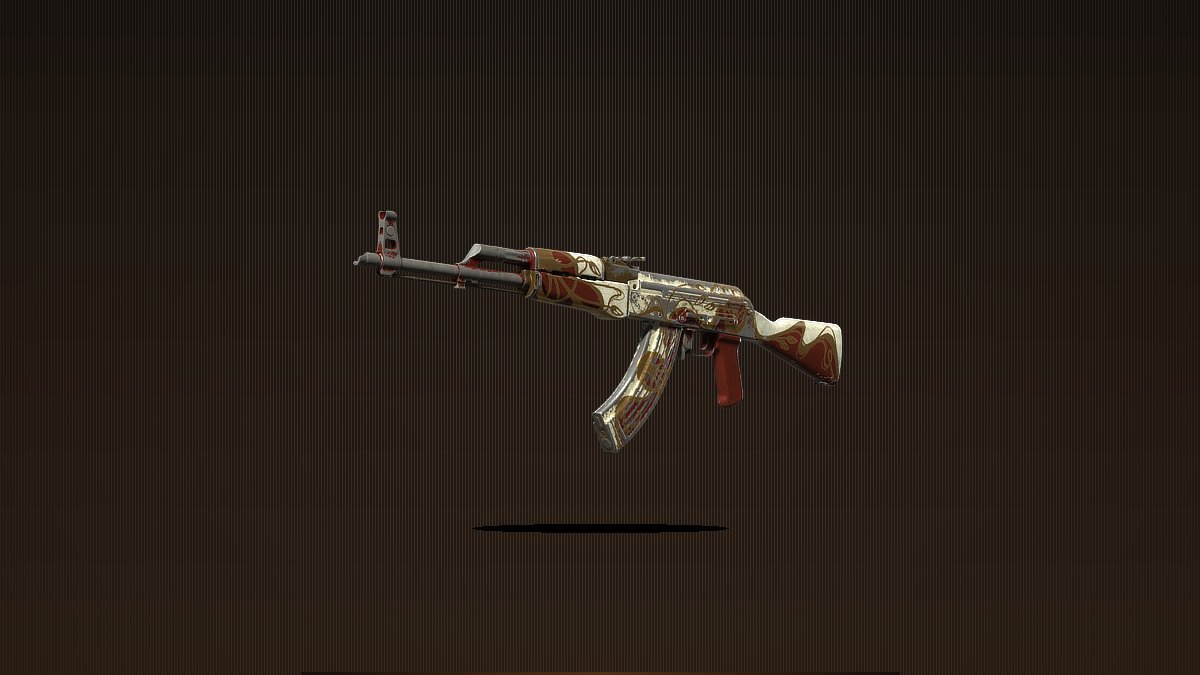
Source: Valve Corporation, Counter-Strike 2 Update Notes (June 11, 2026). Data on sticker volatility patterns from Steam Market historical pricing.