The Same CS2 Knife Is 75% Cheaper on Another Marketplace

The Same CS2 Knife Is 75% Cheaper on Another Marketplace
One Butterfly Knife | Doppler was listed at $2,170 on a peer-to-peer marketplace and $2,233.76 on another, on the same day, for the same float tier. That is a $63.76 difference for clicking a different tab. Widen the lens and the spread gets worse: in the most recent cross-market snapshot, the widest gaps in the CS2 economy hit 75%.
That is not a rounding error or a scam listing. It is what happens when sixteen marketplaces price the same item with different fees, different audiences and different levels of patience. This is a straight comparison of what each side of that divide actually charges you.
Round 1: The Fee Math
Start with the baseline everyone prices against: the Steam Community Market. Its fee is 15% on every sale, and the proceeds land in your Steam Wallet — money that can buy more skins and nothing else. That single structural fact is why Steam listings trend highest. Sellers know they are selling into the deepest pool of buyers in the world, and they price for it.
Third-party marketplaces attack that 15% directly. Depending on the venue, seller fees land somewhere between roughly 2% and 10%, and the money is withdrawable as real cash through PayPal, cards or crypto. That difference alone explains a slice of every price gap you will see — but only a slice. Fees are worth a few percentage points, and the biggest gaps run to seventy-five.
Round 2: Where a 75% Gap Comes From
Here is the latest list of the widest three-quarter gaps in the market, measured on the median of per-market lowest asks so a single undercut cannot invent a crash:
- ★ Moto Gloves | Transport (Factory New) — 75.0% spread
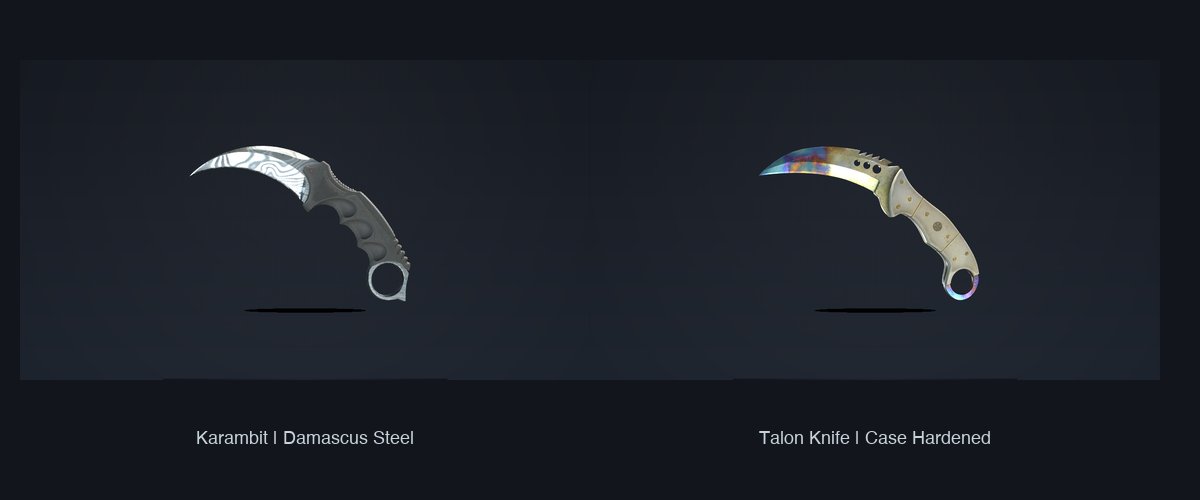
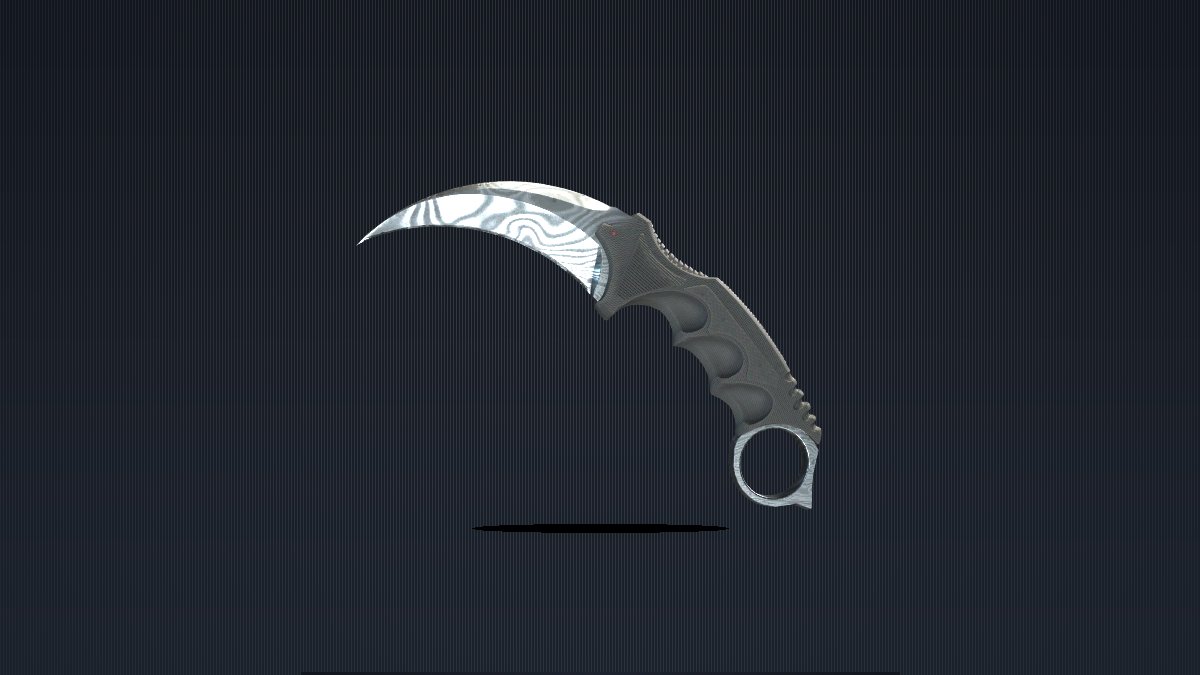
- ★ Karambit | Damascus Steel (Factory New) — 74.9%
- ★ M9 Bayonet | Black Laminate (Factory New) — 74.9%
- ★ Talon Knife | Case Hardened (Minimal Wear) — 74.9%
- ★ Specialist Gloves | Emerald Web (Battle-Scarred) — 74.8%
- P90 | Astral Jörmungandr (Factory New) — 74.8%
Look at what those items have in common and the pattern is obvious: every one of them is a thin item. Not rare in the sense of expensive, thin in the sense of illiquid. A Factory New Moto Gloves listing might number in the dozens across the entire market, and a single seller who needs cash this week sets the low end. There is no arbitrage army to close a gap when the item only trades a handful of times a month.
Scale puts those numbers in context. The CS2 economy runs roughly 975 million cosmetic items across about 28 million owners, and third-party venues alone clear more than $15 million a day, peaking above $25 million. Against that backdrop the thin end of the catalog is a rounding error — and rounding errors are exactly where four-fifths-wide gaps survive.
Wear tiers muddy it further. A Battle-Scarred Specialist Gloves | Emerald Web is not competing with the Factory New version of itself; it is competing with a handful of other Battle-Scarred copies, and its own order book might be three sellers deep. When supply is that shallow, one seller pricing for a quick exit moves the median by tens of percent, and everyone reading the board sees a "market price" that only one person actually set.
Round 3: What It Costs on a Real Knife
Take the Butterfly Knife | Doppler (Phase 1). Thirteen marketplaces quote it and the board reads like this: CSFloat at $2,170.00 from a peer-to-peer book of 116 offers, BUFF163 at $2,224.56 across 44 offers, Tradeit at $2,233.76. The fair-price estimate most trackers publish for it sits at $2,189.76, with a 157-day range of $2,152 to $2,415.
So the spread here is about 2.9%, not 75%. That is the honest counterpoint to the headline number: on liquid, well-known knives, the market is efficient. Hundreds of buyers watch this item every day, and the moment one venue drifts too far, someone eats the gap. The dramatic spreads live at the edges of the catalog, not in the middle of it.
The same is true lower down the ladder. A MAC-10 | Neon Rider headlines around $131.36, with the cheapest live listing at $121.32 — a spread closer to 8%. An AK-47 | Redline (Field-Tested) sits near $26.29 across venues. These are the items people actually buy, and they are priced within a few percent of each other almost everywhere.
Run the same check on a glove and the picture flips again. Where the Butterfly Knife resolves to a 2.9% spread across thirteen venues, an item like Moto Gloves | Transport (Factory New) posts the full 75%. Same market, same day, same fee structures — the only variable is how many other people are watching the listing.
The Catch: Liquidity, Spread and the Seven-Day Rule
Which brings us to the reason a 75% gap can sit there, wide open, and nobody closes it. The cheap listing is cheap for a reason, and it is usually one of three.
It is illiquid. You can buy the cheap side, but selling it later means finding the next buyer for an item that trades a handful of times a month. The discount is compensation for being stuck with it.
It needs KYC. The deepest books in the world are on Chinese platforms, and using them means identity verification and a regional account. That friction alone can hold a wide, permanent gap between the BUFF163 price and the price on a Western instant-sell site.
It is instant-sell inventory. Peer-to-peer prices and instant-sell prices are not the same market. Instant-sell sites post a lower number because they are buying your knife immediately rather than waiting for a buyer. Comparing an instant-sell quote against a P2P listing and calling it a "gap" is a category error that burns a lot of first-time traders.
Then there is the drag that applies to all of it. Since July 2025, traded CS2 items carry a seven-day protection window during which either side can reverse the trade. It cut account-theft losses, and it also added a week of friction to every flip. Plan a quick buy-cheap-sell-high round trip and the calendar, not the price, decides your outcome.
The Verdict
Steam wins on liquidity and loses on fees and cash-out. Peer-to-peer wins on price and loses on patience. Regional platforms win on depth and lose on access. There is no single best marketplace, only a best marketplace for the specific item in front of you — and the only way to know which one that is, is to look at the item rather than the brand.
Two habits make the difference. First, ignore the headline spread and check the item's liquidity first: a 75% gap on a knife with hundreds of daily trades is a real opportunity, and the same gap on Moto Gloves that trade a few times a month is a warning label. Second, always compare net numbers rather than sticker prices — a $2,170 listing that costs you 2% to buy and 5% to sell later is not the same deal as a $2,230 listing on a venue where the money comes out clean.
One more piece of context worth holding onto: the wider market has been cooling hard, not heating up. Across 1,185 skins with comparable prices between March 2 and September 15 of this year, 97% got cheaper, with a median decline of 33.4%. Knives led the fall at 41% and gloves at 38.2%. In a market drifting down like that, the fee you pay and the venue you sell on matter more than the direction you bet.
You can price the whole board yourself in a couple of minutes. The SkinVS shop shows live listings across the catalog, and a round on the Fan Favorite case gives you a fixed-odds reference point to compare any knife price against. Check the net number before you click, and the 75% headline stops being a trap and starts being a tool.