Cologne 2026 Stickers: Event Series vs Ranked Series Explained
Cologne 2026 Stickers: Event Series vs Ranked Series Explained
Valve quietly shipped a second sticker line for the Cologne 2026 Major at the end of July, and the two lines now sit side by side in the in-game shop with very different price tags. If you have ever bought stickers to support a player, or held them as a speculative asset, the gap between the Event Series and the Ranked Series matters more than it looks. Here is exactly what changed, why Valve made the move, and what it means for your wallet before the shop locks on September 29.
Two Series, One Tournament
Cologne 2026 is one of the two Majors on the CS2 calendar this year, and like every Major it carries a full sticker economy around it. Stickers are sold through the event shop during a short window, and every one of them carries a team, player, or autograph design that collectors chase while the store is still open.
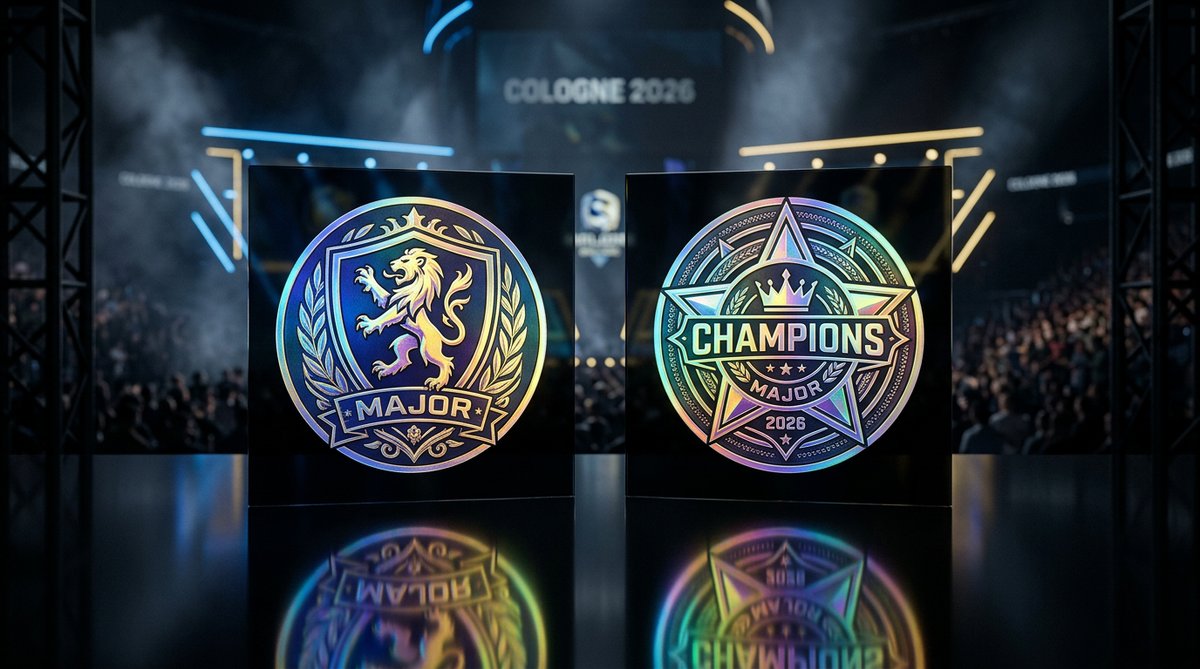
This year there are two distinct lines instead of one. The Event Series is the familiar set — the standard team and player stickers sold under the dynamic pricing model that has run at recent Majors. The Ranked Series is brand new, and its defining feature is baked directly into the artwork: each sticker shows the team's final placement in the tournament.
That one change is bigger than it sounds. A sticker that literally displays "champion" or a runner-up position turns the whole line into a visible record of how the Major ended. Collectors no longer have to remember who finished where — the sticker says it for them.
What Dynamic Pricing Was Supposed to Do
Dynamic pricing was Valve's answer to a problem that had been building for years. At past Majors, stickers for the most popular teams and players sold out fast while less famous ones sat untouched, and a flat price did nothing to reflect that difference in demand. The fix was supposed to be simple: let the price move with interest, so popular names cost more and niche names cost less.
It did not work out that way. In Valve's own words, the system "determined the relative interest in players and teams, but it didn't produce reasonable prices." That is a rare public admission from a company that almost never comments on its own pricing mechanics, and it tells you everything: the first version of dynamic pricing overshot, and buyers were left staring at tags that felt disconnected from the sticker in front of them.
For ordinary buyers this was a real problem. The gap between the cheapest and most expensive stickers widened to the point where following a star player meant paying a premium that felt arbitrary, while supporting a smaller team felt like a consolation purchase rather than a choice.
How the Ranked Series Fixes It
The Ranked Series keeps the same core relationship between players and teams — the most in-demand names still cost more than the rest — but it resets the entire curve lower. Valve describes the new line plainly: "a lower price, but with the same relationship between players and teams as the Event Series stickers."
In practical terms, that means you are not buying a worse product. You are buying the same artwork family at a more reasonable entry point, with the bonus of the placement badge baked in. For budget-conscious collectors, this is the whole appeal: a way to pick up stickers for your favorite players without swallowing the inflated Event Series tag.
It also means the Ranked Series effectively doubles your options for any given player. If you want the standard design, you buy Event Series. If you want the cheaper version that also records the final standing, you buy Ranked Series. That choice did not exist at the last Major.
The Royalty Split Is Where the Real Money Goes
One detail has stayed consistent across both lines, and it is the part most buyers never think about. Valve splits 50% of the royalties from the Cologne 2026 shop with the players, the teams, and the tournament organizer. That is the same 50% structure used across recent Major sticker programs.
For players and organizations, this is not pocket change. Sticker royalties are one of the most dependable revenue streams in the Counter-Strike ecosystem — often more predictable than tournament winnings, because they flow from every single sticker sold rather than a single prize payout. It is a big part of why a strong sticker design and a deep tournament run matter far beyond the trophy itself.
That means every sticker you buy is, in a small but real way, funding the scene you are watching. The royalty model turns a cosmetic purchase into a direct contribution to the teams and players who made the Major worth watching in the first place.
Why the Placement Badge Changes Collecting
There is a reason the placement badge on the Ranked Series matters beyond aesthetics. In sticker collecting, a design that records an event is almost always worth more than one that does not — look at how tournament-dated capsules and souvenir packages hold value against generic stickers. The Ranked Series bakes that "dated event" quality directly into every single sticker, with no extra work from the buyer.
It also creates a natural hierarchy. The sticker of a team that finished first is visually distinct from one that finished eighth, which means collectors have an obvious grail target to chase. That kind of built-in ranking tends to concentrate demand at the top of the line, the same way a tournament trophy skin outpaces the rest of a collection.
Combined with the lower price point, the Ranked Series is arguably the more collector-friendly product of the two lines — cheaper to enter, and with a built-in story that the Event Series simply does not carry.
The Deadline That Actually Matters
The entire Cologne 2026 shop closes on September 29, and after that the only way to get these stickers is the secondary market. That single date is the most important number in this whole story, and it is approaching faster than most people realize.
Once the shop locks, the supply of Ranked Series stickers is frozen forever. Stickers from closed events have a long history of behaving like limited editions on the market — the supply never grows, while demand from latecomers and new players keeps trickling in. The Ranked Series is especially interesting on that front, because the placement badge makes the "winner" stickers naturally collectible in a way a generic design is not.
If you just want to support a team or grab a souvenir, buy now and take the Ranked Series as your cheaper entry point. If you are thinking about long-term value, the calculus is the same one that drives every limited drop: the clock is the pressure, and September 29 is when it stops.
Stickers are only one corner of the market, of course. If you want something with a sharper upside curve than a foil badge, the case market is where most of the action lives — you can browse the current lineup, including the newest drops, on our Fan Favorite case page.