CS2's New Pet Chickens: 34 Variants, Zero Resale Value
CS2's New Pet Chickens: 34 Variants, Zero Resale Value
Valve shipped the Rush Hour update on the night of September 22, and the changelog runs to a dozen sections: silent reloads, a 3v3 mode called Rush, a rebuilt Premier map pick, clan tags, stickers on the C4. The word "chicken" appears nowhere in it.
Players found the chickens anyway. Within hours of updating, screenshots of speckled eggs were doing the rounds, and dataminers had already pulled the whole system out of the game files — three breeds, 34 colour variants, four growth stages and a photo album. It is a pet system, it is live right now, and it quietly changes what your weekly drop is worth.
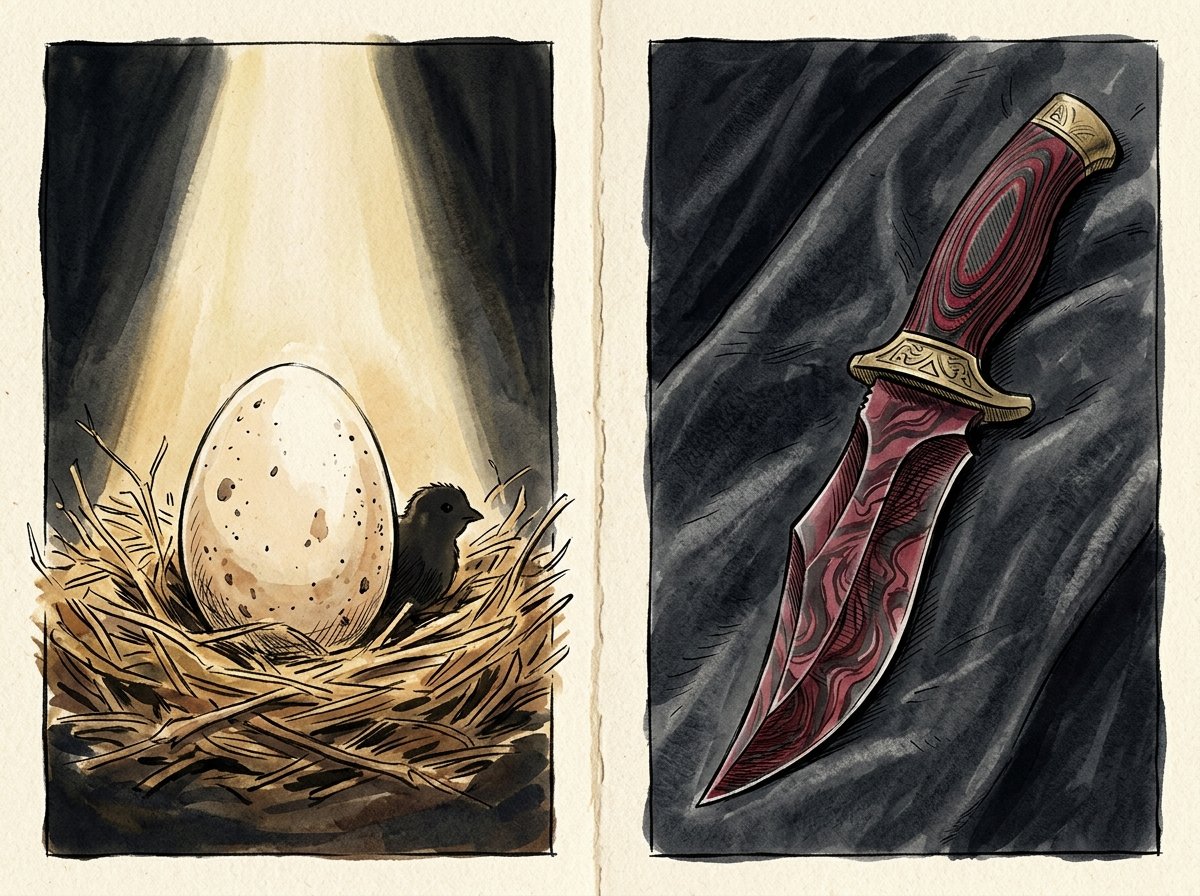
So here is the comparison that actually matters: a soulbound pet, against the two marketable items it replaces.
Round 1: What Shows Up in the Box
The egg is not an inventory item. It never appears in your inventory list, it has no market page, and it sits beside your character in the main menu instead. You take it as your weekly drop reward — and taking it consumes both of the package's two slots.
That is the design decision worth pausing on. A normal week gives you two picks, which under the old rules could be a weapon skin and a case. Take the egg and you get one egg, and nothing else.
What the egg becomes is a four-stage sequence: egg, chick, pullet, adult chicken. Feeding advances it, and feed arrives through drops rather than the store. Neglect it and it can leave entirely. Once grown you can inspect it, pet it, and photograph it against map backgrounds with 11 poses to unlock, plus accessories that open up as you play those maps.
A case does none of that. A case is a boring, liquid, tradable box that sits in your inventory, has a price, has buyers, and has never once walked out because you forgot about it for two weeks.
Round 2: The Resale Test
This is where the two options stop being comparable at all.
The pet cannot be traded and cannot be sold. The files contain 34 variants across three breeds — 13 Catalan, 12 Polish and 9 Silkie — and dataminers report the colours are distributed much the way skin rarities are, so a handful will be rare and most will be common. There is no market that can price a rare one, because there is no market at all. If your egg grows into the rarest Silkie in the game, its value is a screenshot in an album.
Now price the alternative. A weekly slot that lands on the Dreams & Nightmares Case is worth about $1.11 at the low ask, and that container moved roughly 6,000 sales in seven days on a single marketplace — it is among the most liquid cases in the game. The Kilowatt Case trades near $0.13. Even the Recoil Case, the textbook example of a flooded market with 50,385 live listings, still has a cheapest ask of $0.30 against a book median of $0.72.
Individually those are rounding errors. Stacked across a year they are not. Two marketable picks a week at roughly $1.24 in raw case value comes to about $64 a year, or $55 after the Steam Market's 15% cut. That is a cheap knife, or a few hundred cheap cases, or about 385 lottery tickets — and it is money a pet cannot hand back.
Cases have a second property eggs will never have. Every case opened permanently removes supply from the game, which is why discontinued containers can quietly double over a couple of years while they sit in an inventory doing nothing. The pet's supply only ever grows, and every one of them is worthless on purpose.
Round 3: The Slot Math
Valve did not stumble into the two-slot cost. A pet for one slot would be a gift; a pet for two slots is a trade, and the trade is priced against exactly the players who think in marketplace numbers.
- Weekly cost: one skin plus one case, forgone every week.
- Resale value: zero by design — no trade, no sale, no inventory entry, no market page.
- Upside: cosmetic only — a pet, photos, poses, accessories, and a variant ladder that can never be cashed out.
- Risk: a neglected pet can leave, so the whole exercise can end with nothing at all.
Compare what the same two slots can buy. A $2.49 key plus the cheapest case is the classic gamble, and the numbers are brutal: the gold tier hits 0.26% of the time, roughly one opening in 385. Buy enough cases and keys to expect a single gold drop at Kilowatt prices and you have spent about $1,009.
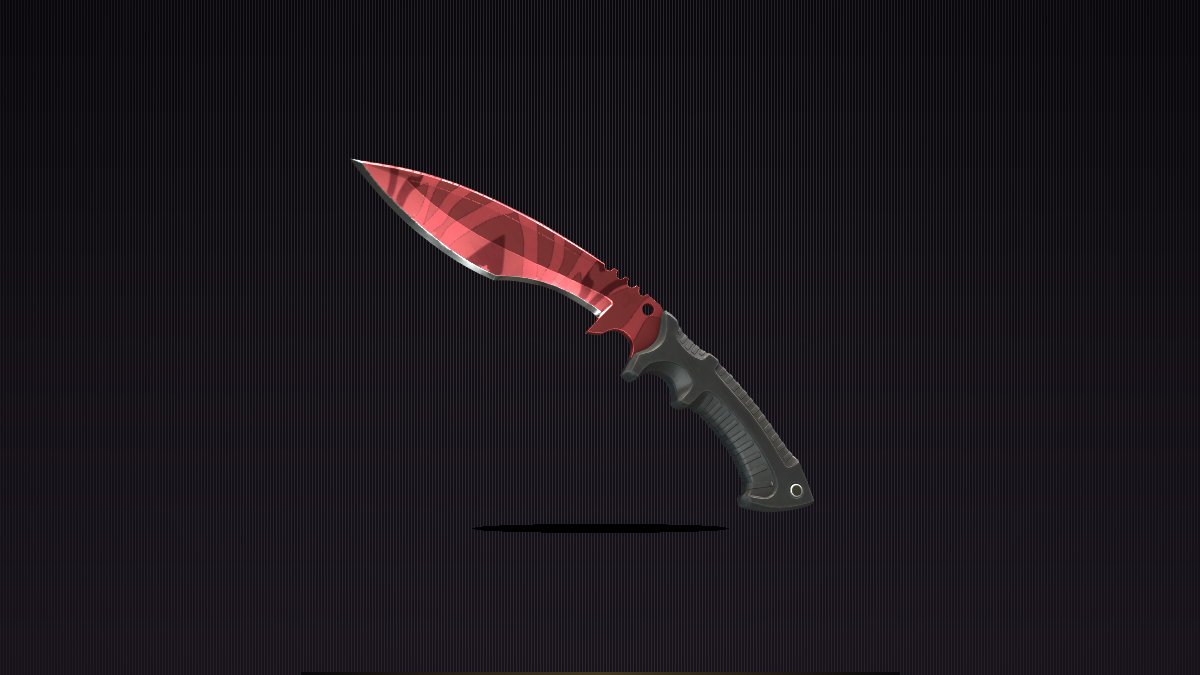
But that gamble carries a payday. The Kukri Knife is exclusive to the Kilowatt and Gallery pools, and a Minimal Wear Slaughter finish sits around $151.79 on our shelves. Ugly odds, real payout. The pet has better odds of being delightful and no odds at all of being worth something, and it is the only item in either column that cannot be liquidated on a bad day.
Round 4: Patterns Get Priced, Pet Variants Do Not
CS2 collectors already know how this usually goes. When an item has visible variation, the market finds a way to price it.
Case Hardened is the cleanest example: 49 skins share one texture sheet, and which part of that sheet lands on the weapon is decided by the pattern seed. A small number of seeds put blue across most of the visible surface — the Blue Gems — and those trade at many multiples of ordinary examples. Across the whole family, prices run from about $10 to over $4,600, driven largely by pattern numbers rather than wear.
That is the mechanism the pet system walked away from. Valve built a 34-step variant ladder, distributed it like a rarity scale, and bolted it to something that cannot be traded. Everywhere else in CS2 a rare-looking thing becomes expensive. Here, a rare-looking chicken becomes a nice photo, and the collector instinct the design is clearly counting on has nowhere to go.
It is not a moral failing on Valve's part — a soulbound pet cannot be gambled away or stolen, and there is no key to buy. It is simply the first cosmetic in CS2 history designed to have a rarity tier and no price.
Where the Pet Actually Wins
None of this makes the chicken a scam. It is free, it skips the $2.49 key entirely, it dodges the 15% fee, and it does not funnel anyone toward a 0.26% jackpot. For a player who has never sold a skin and just wants something waiting in the menu, the egg beats a $0.13 case they would open once and forget.
The tell is in what the same update did elsewhere. Rush Hour also added C4 stickers, a Starjunk 95 music kit at $4.99 with a $7.99 StatTrak version, silent reloads and a rebuilt map pick — and left anti-cheat untouched, which is what the loudest replies on Steam were actually about. Redirecting the free-item tap toward a soulbound pet, while the tradeable side of the economy keeps shrinking, is a choice with a direction.
The scale on the other side is not small. Weapon items carry roughly $5.4 billion of tracked value, the entire crate category sits near $14 million, and the market turns over about $643 million a day. A pet lives outside every one of those numbers.
So decide like an owner, not a collector. If your weekly package is a small income stream, take the case and the skin, sell the cheap cases instead of opening them, hold the older ones, and if you want a real shot at a gold-tier drop, spend the $2.49 on a slot that can actually pay — the Phantom Cache carries knife tiers worth chasing, and everything you pull from an opening stays tradable the moment you unbox it.
If you have never sold an item in your life and you want the chicken, take the egg. Just take it knowing the price: two marketable pickups a week, every week, against a receipt that reads zero.