Valve Fights Back: Why the $4 Billion CS2 Skin Market Hangs in the Balance
Valve Fights Back: Why the $4 Billion CS2 Skin Market Hangs in the Balance
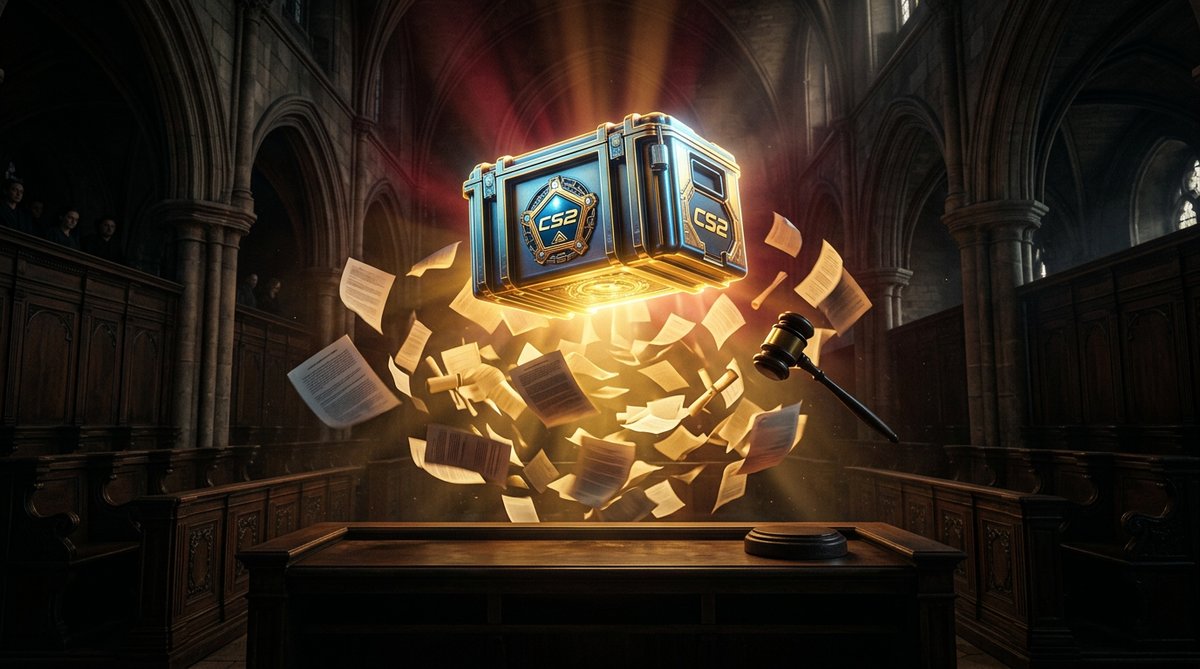
On May 19, 2026, Valve filed a sweeping 42-page motion to dismiss a high-stakes lawsuit brought by New York Attorney General Letitia James. The case challenges whether CS2 loot boxes constitute illegal gambling — and its outcome could reshape the entire $4 billion Counter-Strike skin economy. Here's what's happening, what Valve is arguing, and why every CS2 player and skin investor should be paying attention.
The Lawsuit: New York vs Valve
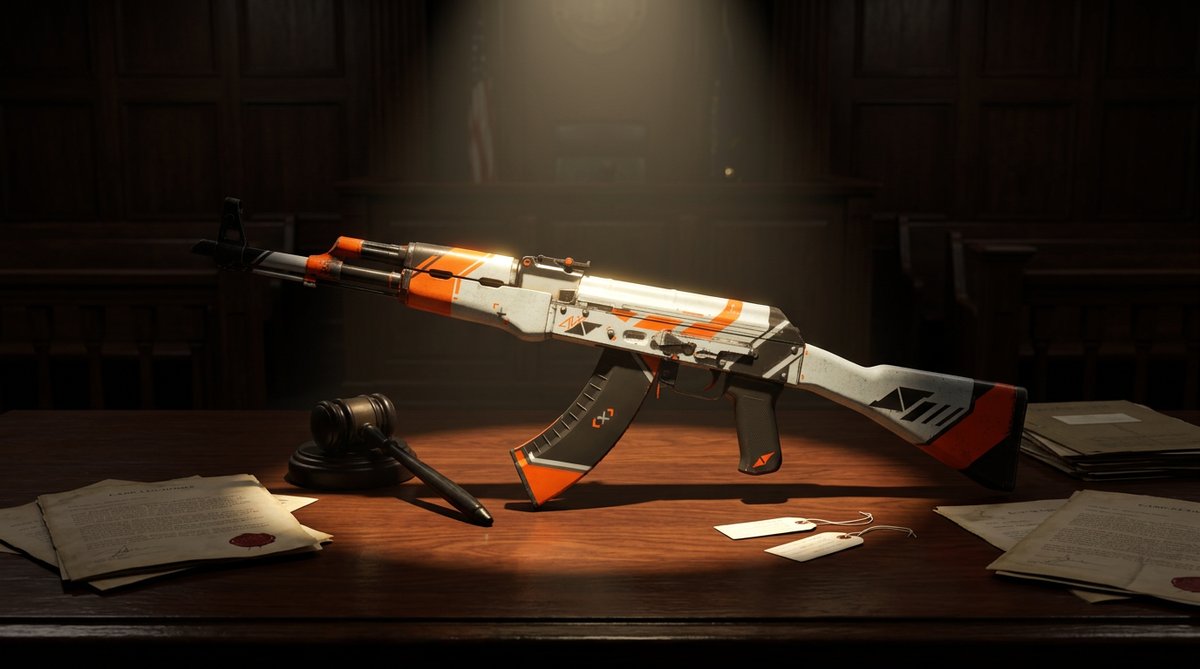
In February 2026, NY AG Letitia James filed a lawsuit accusing Valve of promoting unregulated gambling through Counter-Strike 2's case opening system. The state argues that players — including minors — spend real money to open mystery cases for a chance at rare virtual items, which can then be resold for thousands of dollars on Valve's marketplace and third-party sites.
According to court documents filed in the New York Supreme Court, James compared the unboxing process to "spinning a slot machine with the potential of winning a large prize." She's seeking damages worth three times what Valve has profited from loot box sales in New York — a figure that could reach billions.
The lawsuit also threatens to ban Valve from selling cases to New York residents entirely, which would deal a significant blow to the CS2 ecosystem given New York's population and economic influence.
Valve's Defense: Skins Are Baseball Cards, Not Poker Chips
Valve's 42-page motion to dismiss, filed on May 19 and reviewed by Courthouse News, takes a bold stance. The company argues that CS2 cases are fundamentally no different from baseball cards, Happy Meal toys, or comic book grab bags — all products that involve randomized items purchasable with money and resellable on secondary markets.
"Each of those transactions — and many more like them — involves a purchase of randomized items that can be resold for cash," Valve writes. "No court has allowed the executive branch to criminalize overnight such a breathtaking amount of commonplace conduct not specifically proscribed by a statute."
Valve frames skins as collectibles with "subjective and aesthetic value," arguing that players receive exactly what they pay for — one weapon skin per case — and that there is "no stake or risk" in the gambling sense.
The company warns that accepting the NY AG's interpretation could upend hundreds of daily commercial transactions, from baseball card packs to Chuck E. Cheese prize tickets.
What's at Stake for CS2 Players and Investors
The CS2 skin market has grown into a multi-billion dollar economy. Rare skins can sell for staggering sums — a single AK-47 skin recently traded for $1 million according to court filings. The ecosystem supports thousands of third-party marketplaces, trading platforms, case-opening sites, and investment communities.
If the court rules against Valve, the consequences could be severe:
- Case sales to New Yorkers could be banned, reducing market liquidity
- Other states could follow with their own lawsuits
- Third-party case-opening sites could face similar legal challenges
- Skin values could fluctuate dramatically based on regulatory uncertainty
The case is being heard by New York Supreme Court Justice Nancy Bannon. Valve is represented by Milbank LLP, a global white-shoe law firm, signaling how seriously the company is taking this fight.
Germany Already Changed the Rules
This isn't Valve's first encounter with gambling regulators. Earlier in 2026, the company was forced to change how CS2 unboxings work for German players. Under the new system, German players can now see exactly what item is inside a case before purchasing the key to unlock it — effectively removing the gambling element while keeping the case-opening mechanic intact.
This German compromise offers a potential preview of what regulation could look like globally. If Valve loses in New York, similar transparency requirements could be imposed on all US players, fundamentally changing how case opening works on platforms like skinvs.com.
Frequently Asked Questions
What did the NY Attorney General sue Valve for?
NY AG Letitia James sued Valve in February 2026, claiming CS2 loot boxes constitute illegal, unregulated gambling that targets children. She seeks damages and wants to block case sales to New Yorkers.
What is Valve's main argument in its defense?
Valve argues CS2 cases are like baseball cards, Happy Meal toys, and mystery collectible packs — randomized purchases with subjective value that have never been legally classified as gambling. They filed a 42-page motion to dismiss on May 19, 2026.
How much is the CS2 skin market worth?
According to court documents, the CS2 in-game item economy is valued at over $4 billion. Individual rare skins have sold for up to $1 million.
What happens if Valve loses the lawsuit?
Valve could face billions in damages (3x loot box profits) and be banned from selling cases to New York residents. Other states could follow with similar lawsuits, potentially reshaping the entire CS2 skin market.
How has Germany already regulated CS2 cases?
Germany forced Valve to let players see the item inside a case before buying the key, removing the gambling element while preserving the case-opening system.
Ready to Open Cases While You Still Can?
The legal landscape for CS2 case opening is shifting fast. While Valve fights to keep the system alive, now is the time to enjoy case openings and hunt for rare skins on a platform built for fair play. Open CS2 cases, battle friends, and chase those coveted rare drops — all on a provably fair system trusted by millions of players worldwide.
Start your case opening journey: /cases/open/phantom-cache/