Cologne 2026 Ranked Series: What the New Sticker Pricing Means for Your Wallet
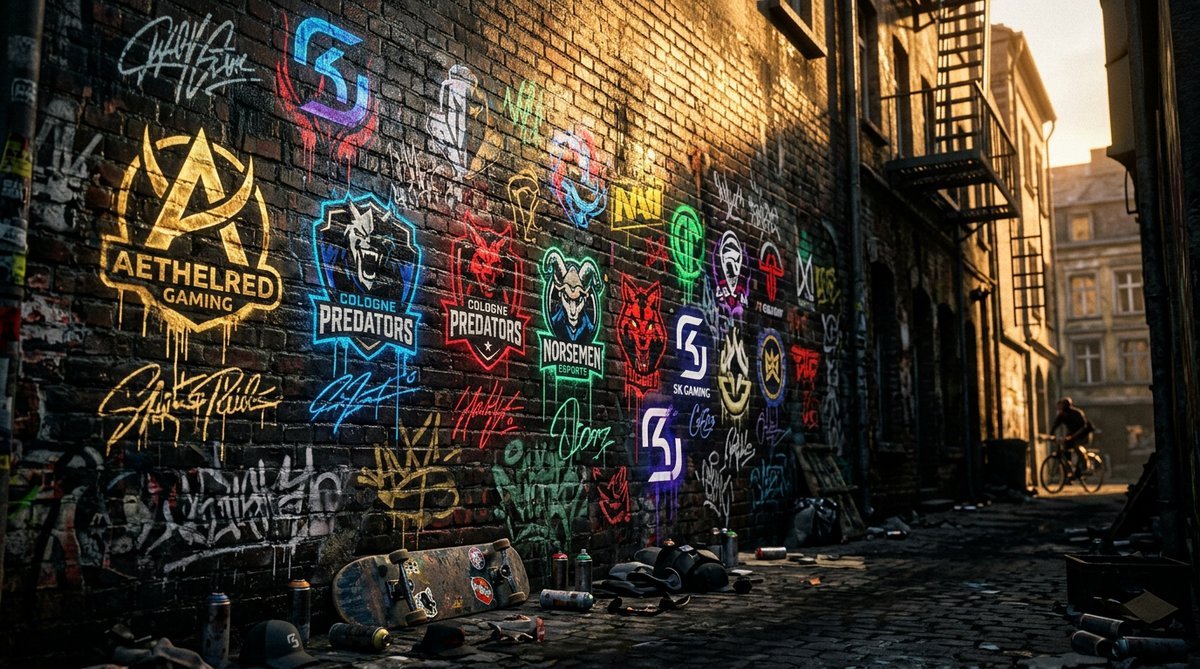
Cologne 2026 Ranked Series: What the New Sticker Pricing Means for Your Wallet
On July 28, Valve dropped the Cologne 2026 Ranked Series — a new sticker collection that shows where each team actually finished at the Major, right in the design. It's not just a cosmetic update. The pricing model changed too, and that changes the math for anyone spending money on these stickers.
With 30.5 million monthly players and 24 teams competing across three stages at the IEM Cologne 2026 Major, there are over 120 player stickers in the shop. Each one now comes at a price adjusted from the original dynamic model. The question is: are you getting more for your money, or less?
The Raw Numbers: Ranked vs Event Series Pricing
Valve's original dynamic pricing for Cologne 2026 stickers set prices based on "relative interest in players and teams" — essentially a real-time demand curve. The problem? According to Valve themselves, it "didn't produce reasonable prices." So the Ranked Series got an intervention.
The Ranked stickers launched with lower base prices than the Event Series, but kept the same player-to-team price ratios. This means the gap between your favorite superstar's sticker and a lesser-known support player's sticker is proportionally similar — just everything starts cheaper. If you were paying $4.99 for a premium player sticker before, you might now pay around $3.49 for the Ranked equivalent.
The shop runs until September 29th, giving you roughly two months to decide. After that, you're trading on the secondary market — and that's where things get interesting.
How the Ranked System Actually Affects Sticker Value
Here's the core difference: each Ranked sticker visually displays the team's finishing position in the Major. A champion's sticker looks fundamentally different from a last-place team's sticker. This is new — in past Majors, stickers were identical aside from the team name and player autograph.
This ranking visual creates a natural rarity hierarchy that didn't exist before. The winning team's stickers will inherently be more desirable, not just because fans like the team, but because the Champion badge is a mark of exclusivity. For the first time, sticker collecting has a built-in tier system that mirrors the tournament results themselves.
At the same time, 50% of royalties go directly to the teams, players, and tournament organizers. That's the same split as the Event Series — but with more stickers being sold at lower individual prices, teams might actually see higher total revenue if volume increases.
What Changed from Previous Majors
The IEM Cologne 2026 Major broke from tradition in several ways. Team Falcons took the championship through "the toughest Playoff bracket in Major history," according to Valve. The tournament featured a 16-team playoff structure, up from 8 teams in previous formats. More teams in playoffs = more high-profile sticker matchups = more collector interest spread across more teams.
Additionally, the Ranked Series is launching alongside the existing Event Series stickers, creating a parallel market. Collectors now have to choose: do you buy the original Event Series at higher prices with standard designs, or the new Ranked Series at lower prices with the finishing-position badge? This isn't a replacement — it's an expansion of options.
The Season 5 update from July 8 also brought Cache into the active duty map pool, two new weapon collections (Spy Tech and Arabesque), and two new sticker collections (Fruits & Vegetables and Auto Racing). Stickers as a category are getting more attention from Valve than ever before.
The Smart Play for Collectors and Investors
If you're buying stickers to keep, the Ranked Series presents a compelling case: lower entry price, unique ranking visual, and a two-month exclusive window. The Champion-tier stickers from Team Falcons are the obvious chase item, but don't sleep on the runner-up and semifinalist designs — those carry genuine tournament history too.
For investors, the key metric to watch is supply duration. With the shop closing September 29th, the window to acquire Ranked stickers at retail is limited. Past Major sticker series have shown that once the sale period ends, prices on the Steam Community Market typically rise 20-50% within the first month for popular teams and players.
Team-by-Team: Which Ranked Stickers Are Moving?
Let's break down the demand tiers. Champion (Team Falcons) stickers are the obvious top tier — the first-place badge on the sticker makes this an instant collector's item regardless of the player. Runner-up and semifinalist stickers (3rd-4th place) carry genuine tournament prestige and typically attract mid-tier pricing with long-term holding potential.
The wildcard is underdog teams that made deep playoff runs against expectations. When a team ranked 12th-16th in pre-tournament power rankings makes it to the quarterfinals, their Ranked sticker becomes a piece of tournament history — the "Cinderella story" premium. These are lower supply on the resale market because fewer fans buy them during the shop window, which can drive scarcity value later.
Secondary Market Outlook: August to October
Based on previous Major sticker cycles, the Ranked Series is likely to follow a predictable pattern. During the shop window (until September 29), prices stay at Valve's set retail because anyone can buy directly. The real action starts in October, when supply from Valve stops and the Steam Community Market becomes the only source.
Historically, popular Major stickers appreciate 15-40% in the first 60 days after the shop closes, with champion team stickers often doubling within a year. The Ranked Series adds a new variable: the finishing-position badge means the relationship between tournament results and sticker value is now explicit rather than implied. If Team Falcons wins the next Major too, their Cologne 2026 Champion Ranked sticker becomes even more desirable as part of a "dynasty" narrative.
The risk factor is overproduction. Valve set lower prices specifically because the dynamic model was pricing stickers too high, which may lead to more total stickers being purchased during the window. More supply on the resale market could dampen price growth, especially for mid-tier teams where collector enthusiasm is more casual.
If you're interested in testing your luck with cases instead of buying stickers directly, the Fan Favorite case contains community-voted skins that have historically held value well. But for sticker collectors specifically, the Ranked Series is the most innovative Major sticker release Valve has ever shipped — and the lower starting price means there's less downside risk if the market doesn't move the way you expect.